
Top 15 Willem Dafoe Movies, Ranked
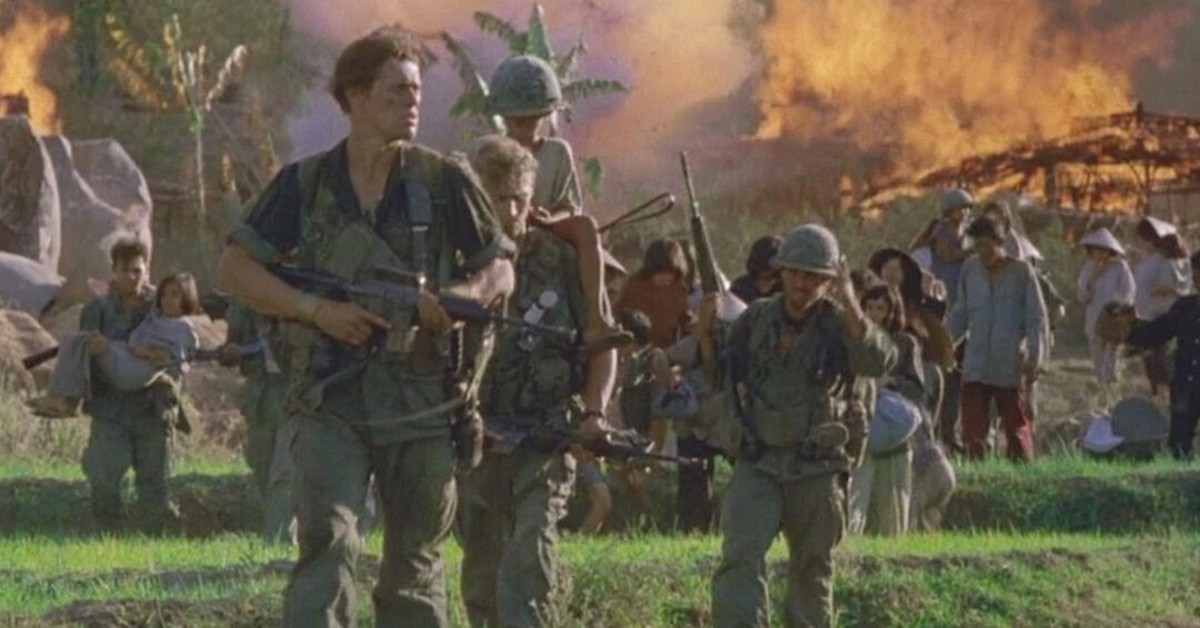
There’s a moment in Platoon where Sergeant Elias stumbles out of the jungle, arms spread wide, face tilted upward, and the world seems to stop. The camera holds on him just long enough to turn a man into a symbol, and Dafoe lets it happen without pushing — his body doing the work his voice no longer can. That image didn’t just make Willem Dafoe famous — it announced that something genuinely different had arrived in American cinema. Over at TV Hulk, we’ve ranked his performances based on one thing: how fully he disappeared into a role and made us forget we were watching an actor work. The physicality, the vocal choices, the way he inhabits stillness as convincingly as chaos, all of it factors in. From cult oddities to blockbuster franchises to quiet character studies, these are the fifteen performances that stuck with us longest.
15. Light Sleeper (1992)
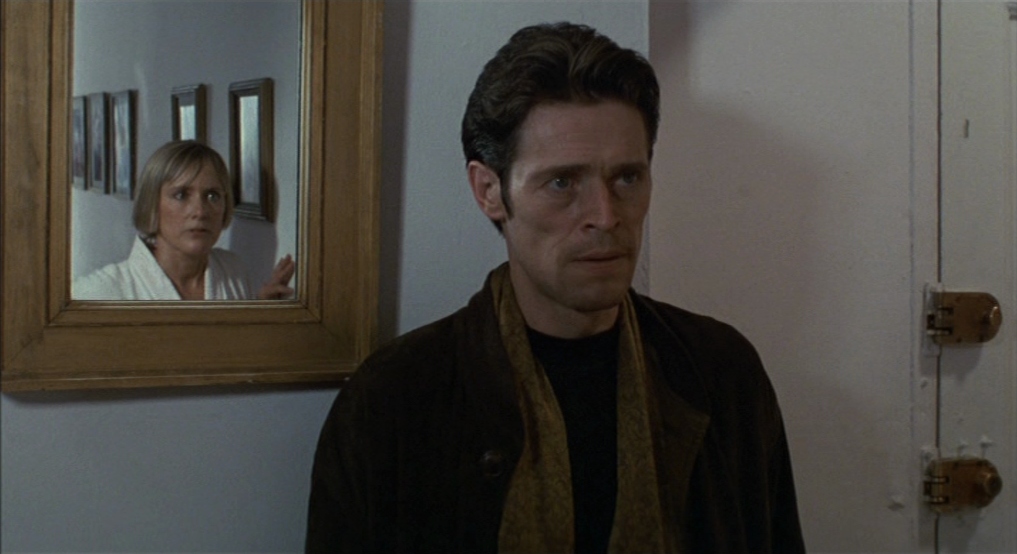
John LeTour is a man running out of excuses, and Dafoe plays that slow-motion crisis with a stillness that’s almost uncomfortable to watch. Paul Schrader’s film follows a high-end drug courier who keeps a journal and can’t quite talk himself into changing his life, and Willem carries every scene on the weight of that internal conflict, communicating exhaustion and longing without ever tipping into self-pity. Every quiet moment he’s on screen says more about the character than pages of dialogue could. Critics loved it; audiences largely missed it. For anyone willing to track it down, this is the deep-cut Dafoe performance that rewards patience, a fully realized portrait of a man at the edge of himself.
14. The English Patient (1996)
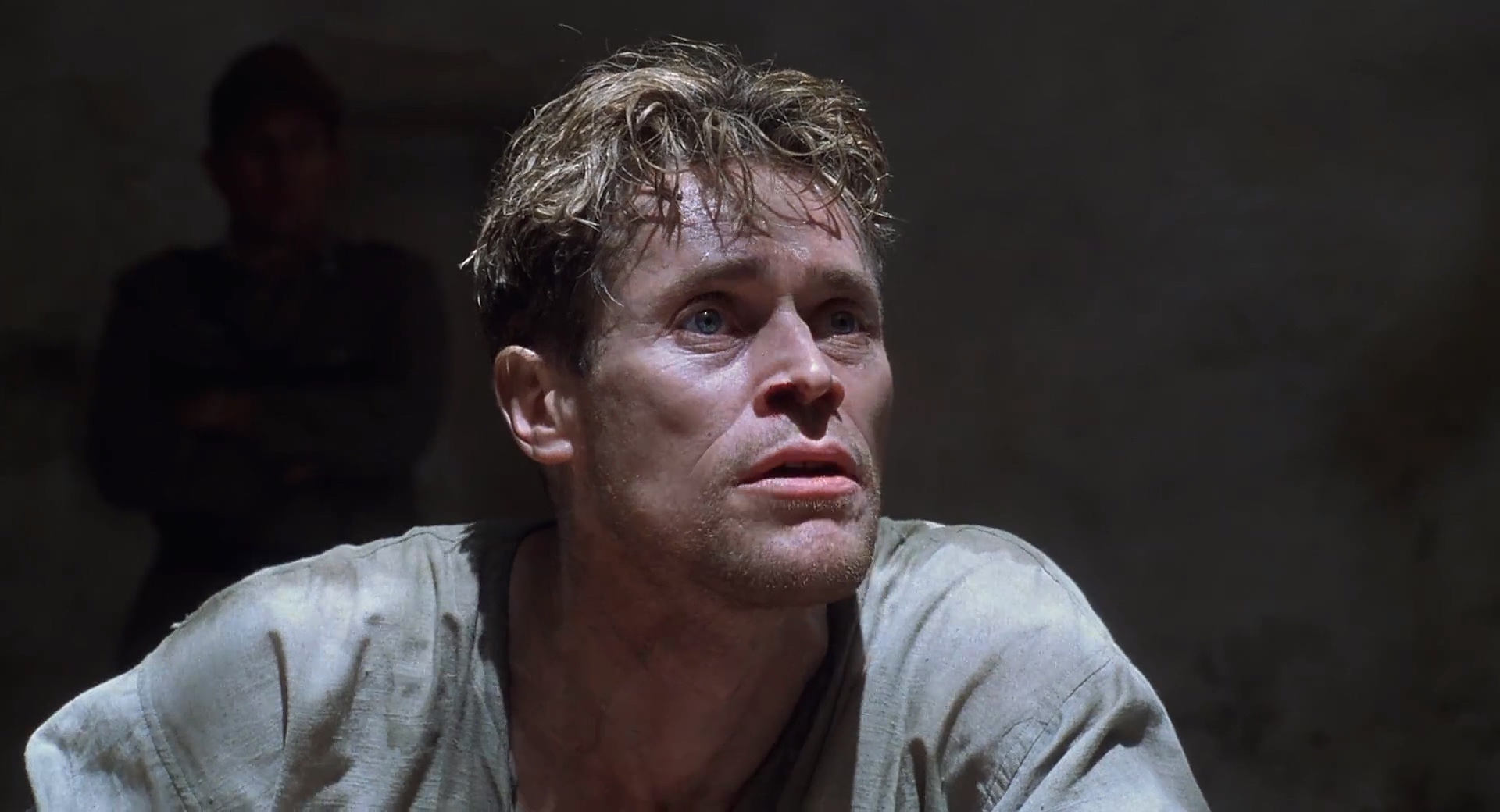
David Caravaggio arrives in this film already broken, his thumbs gone, his capacity for trust destroyed by the war that took them. Dafoe plays him with a hollowed-out quality that’s hard to shake. There’s a scene where he confronts Ralph Fiennes’ patient and the rage underneath his measured voice is almost seismic, barely contained. In a massively successful film, it would have been easy for supporting players to get lost in the sweep of the romance. Caravaggio doesn’t get lost. He’s the film’s moral undertow, the reminder that the beautiful story at its center has real human wreckage around the edges, and Willem makes sure you feel that every time he’s on screen.
13. Nightmare Alley (2021)
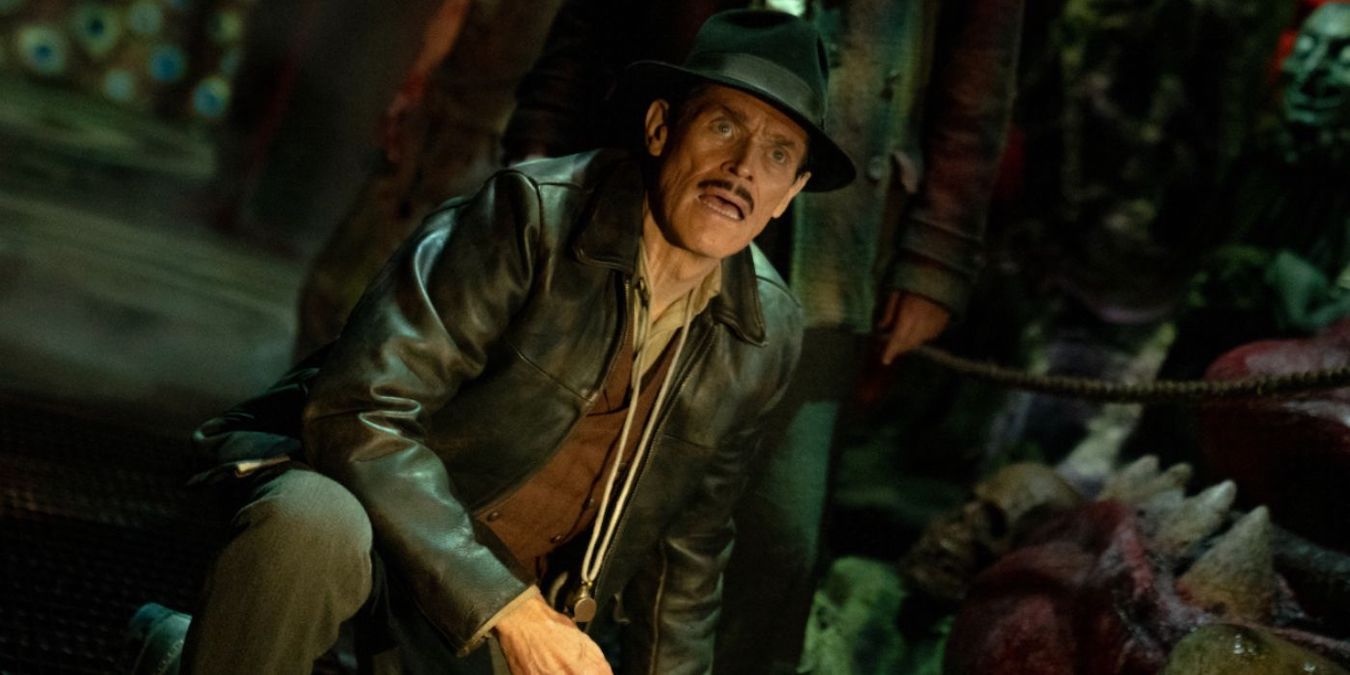
Clem Hoatley has maybe ten minutes of screen time, and he uses all of them to establish the entire moral universe of Guillermo del Toro’s carnival noir. Dafoe plays the geek-show operator with a kind of cheerful, businesslike evil that’s more disturbing than any amount of scenery-chewing would be. The scene where he explains the “geek” arrangement to Bradley Cooper’s Stanton is delivered with the casual warmth of a man offering someone a cup of coffee. That matter-of-fact quality is what makes it linger. Clem’s brief presence casts a shadow over every morally compromised choice Stanton makes afterward. Dafoe does that thing he does in small roles: he plants something you can’t dig out.
12. The Boondock Saints (1999)
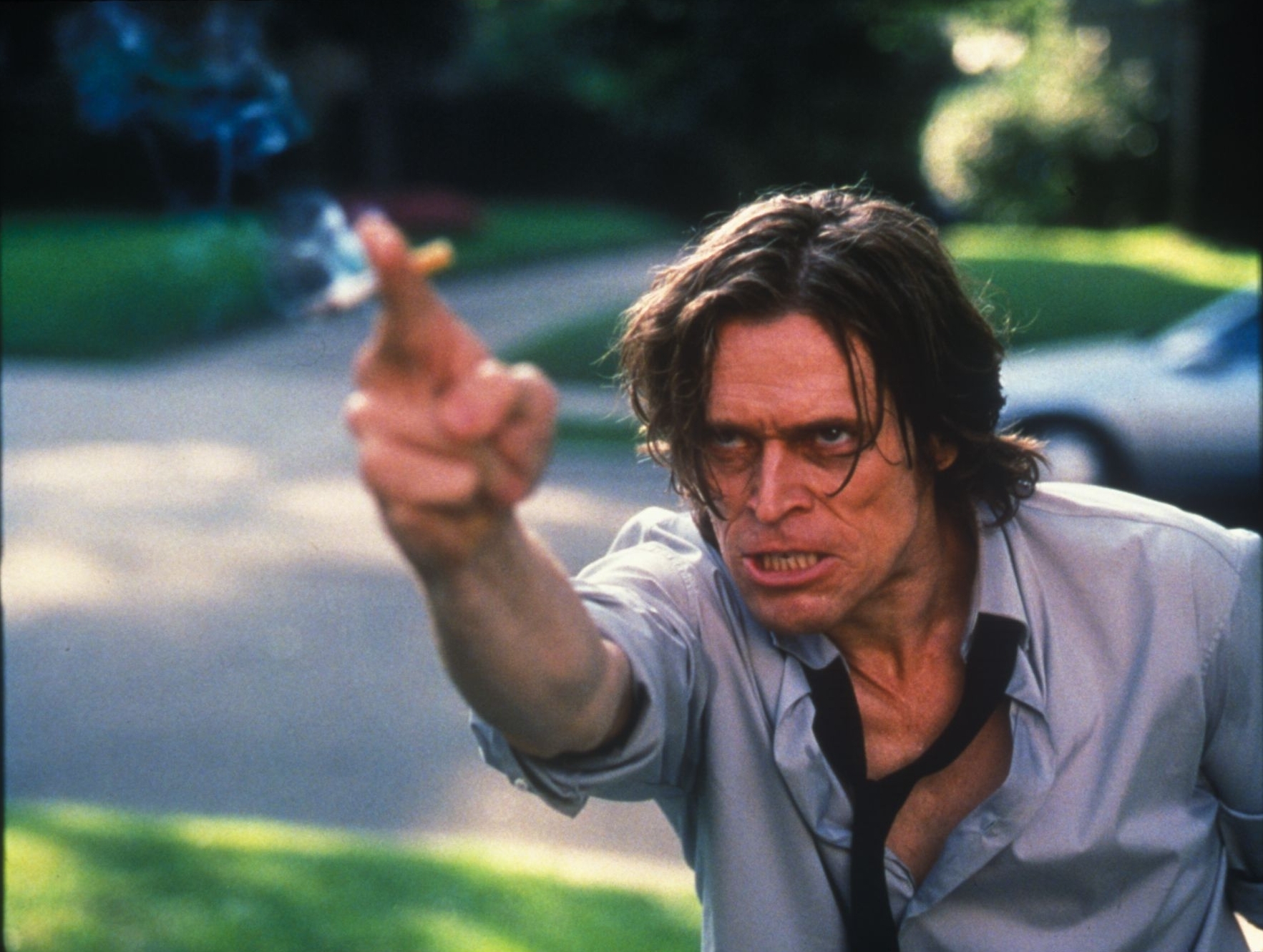
Paul Smecker barely made it into theaters, but on home video he became something else entirely. Dafoe’s FBI agent has this running habit of reconstructing crime scenes in his head while opera plays, acting out every role in the sequence with theatrical flair, and those scenes are so committed, so delightfully unhinged, that they became the film’s signature moments. Smecker is flamboyant, brilliant, and laugh-out-loud funny in a way that Willem makes feel completely natural rather than performed. The movie found its audience slowly, on late-night cable and rental shelves, and Smecker is a big reason why people kept recommending it to friends. It’s the kind of cult performance that proves charisma doesn’t need a big budget behind it.
11. Finding Nemo (2003)
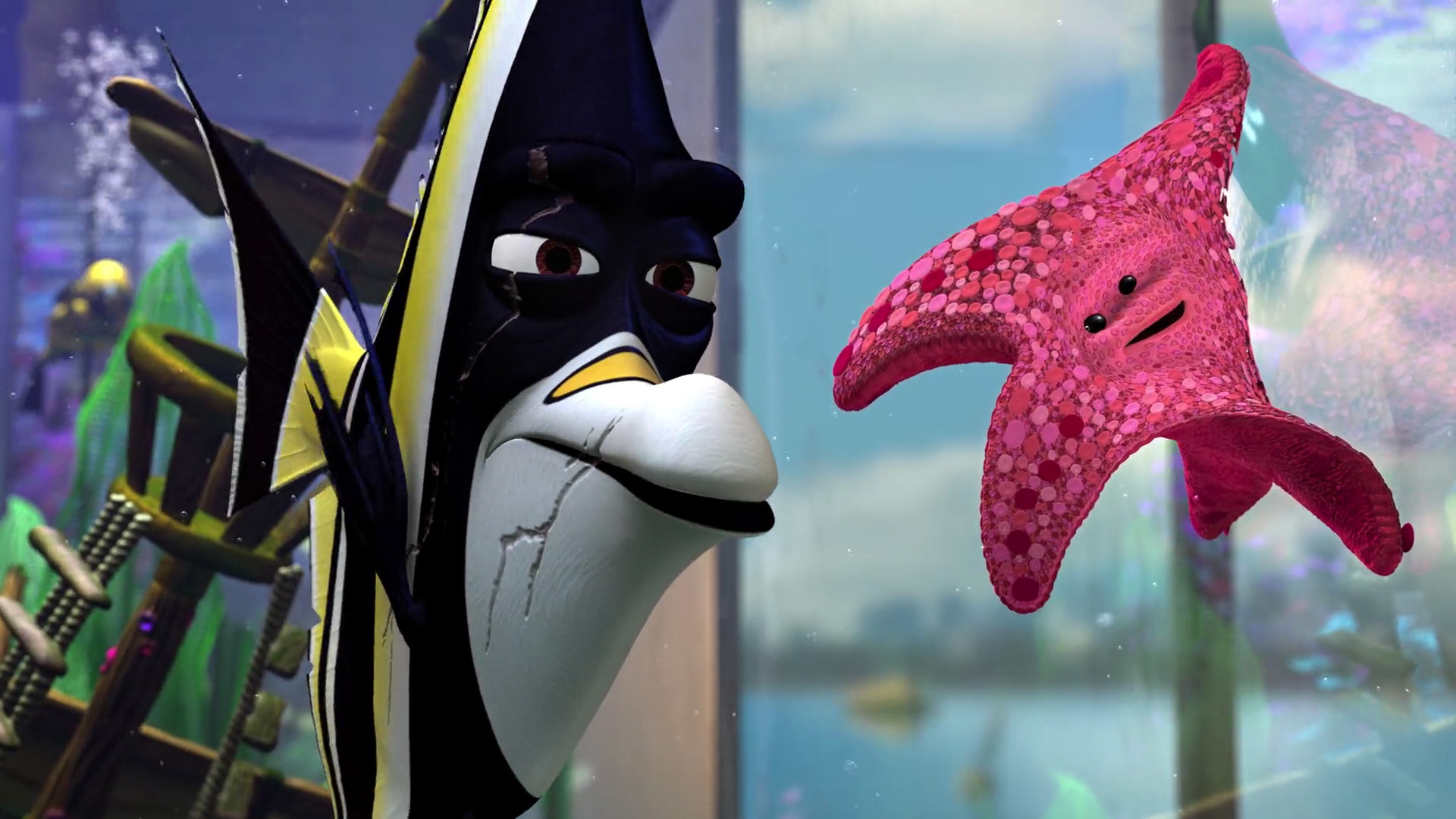
Gill doesn’t get the emotional arc that Marlin does, and he doesn’t need one. Dafoe’s voice work gives the scarred, tank-bound Moorish idol a gravitas that grounds the whole aquarium subplot. There’s a weariness in how he delivers Gill’s early lines to Nemo, a sense of someone who has tried and failed before and is choosing to try again anyway. When Gill finally lays out the escape plan, Willem’s delivery shifts just enough to let you feel the hope underneath the gruffness. The film went on to earn over $871 million at the worldwide box office. But it’s that voice, measured and a little rough around the edges, that roots Gill in the reality of a creature with a real past.
10. To Live and Die in L.A. (1985)
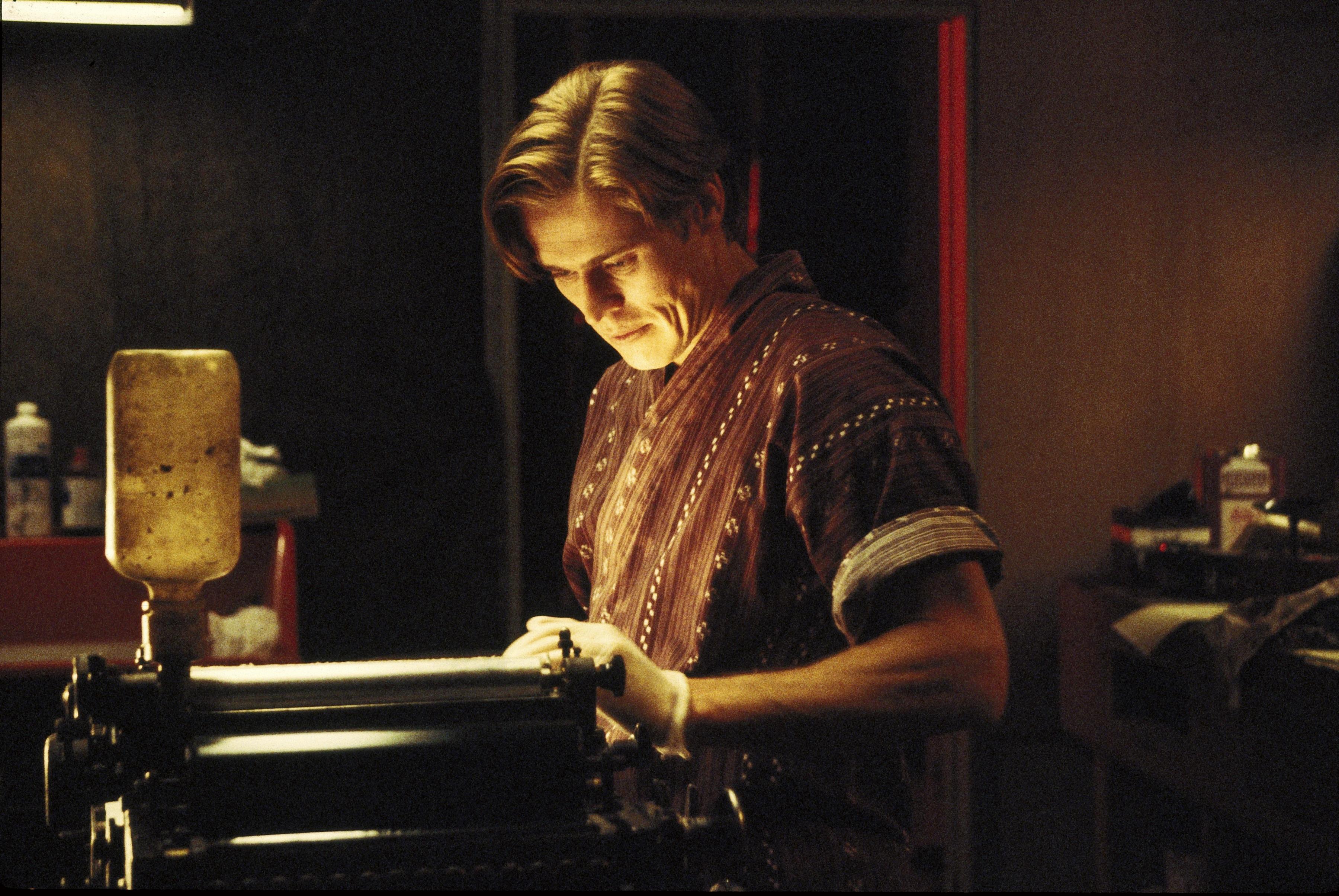
Rick Masters is introduced as an artist before we understand what he actually does, and that detail tells you everything about how Dafoe plays him. The counterfeiter moves through William Friedkin’s neon-soaked thriller with the unhurried confidence of someone who has never once doubted his own superiority. There’s a scene where he commits acts of brutal violence with the same detachment he’d show mixing paint, and the calm in Willem’s eyes sends a real chill down the spine. This was before the Oscar nominations, before the franchise roles, before most audiences knew his name. He was already the most dangerous man in any room the film put him in. Rick Masters set a template for screen villainy that Dafoe would return to and reinvent across the next four decades.
9. Wild at Heart (1990)
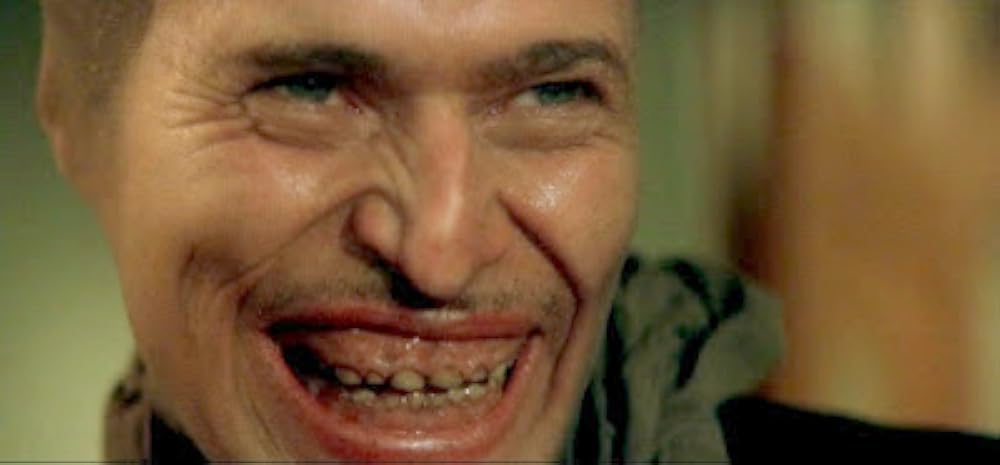
Bobby Peru shows up about halfway through David Lynch’s road movie and immediately makes everything worse, which is exactly the point. Dafoe plays him with rotten teeth, a slow drawl, and a physical menace that feels completely at odds with the film’s heightened, almost cartoonish energy, and that contrast is what makes him so unsettling. The scene where he corners Laura Dern’s Lula and slowly, methodically pushes her toward something she doesn’t want is one of the most uncomfortable sequences in Lynch’s filmography, and it works entirely because of how Willem calibrates the threat. Bobby Peru is the film’s darkest joke: a monster who knows he’s a monster and finds it funny.
8. The Last Temptation of Christ (1988)
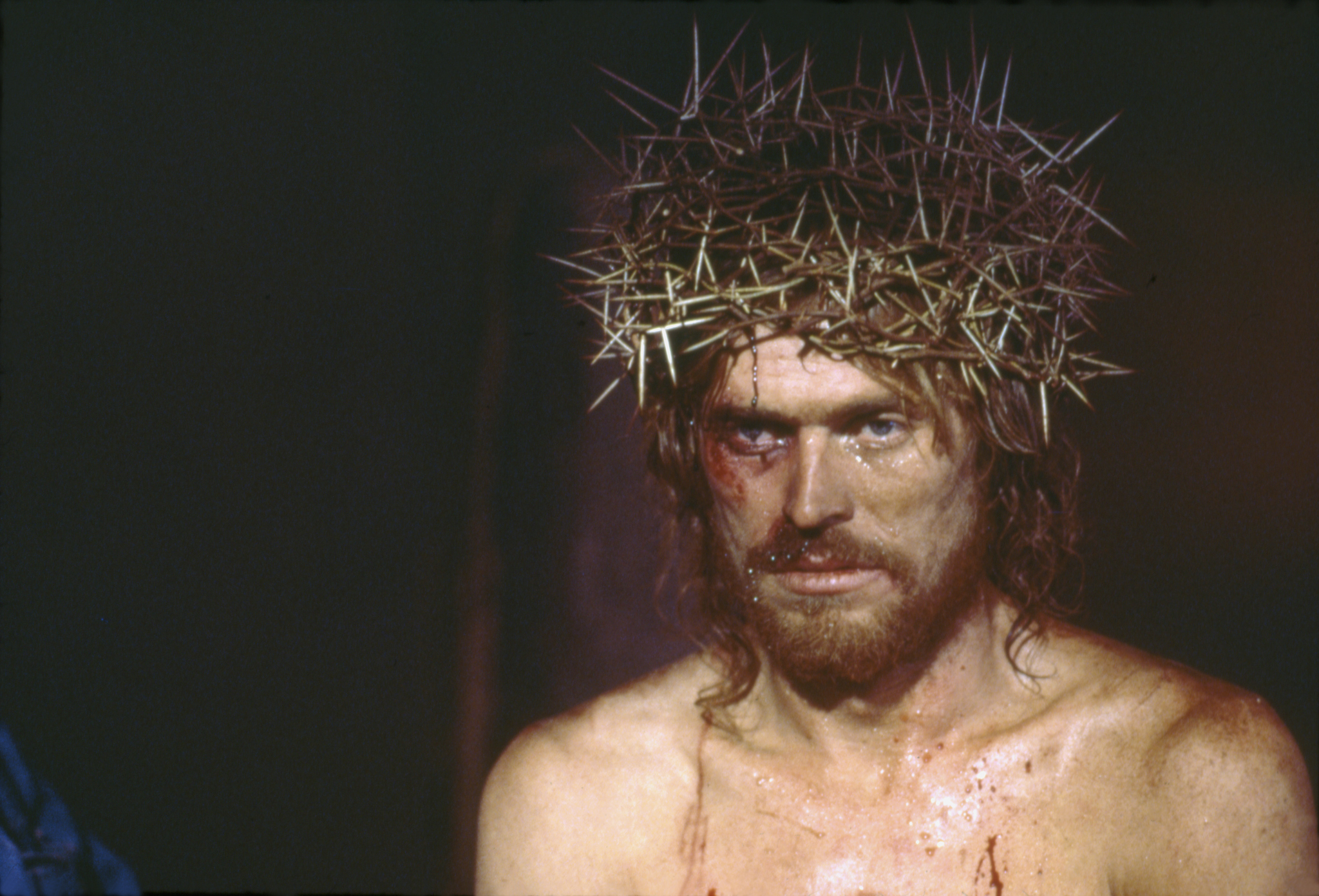
The protests started before the film even opened, which meant Dafoe’s performance had to carry an enormous amount of weight before most audiences ever saw it. His Jesus is not serene or distant. He’s frightened, conflicted, and desperately human, a man who feels his divine purpose as a burden he isn’t sure he can bear. There’s a scene early on where he builds crosses for the Romans and hates himself for it, and the self-loathing Willem brings to that moment sets the entire film’s emotional register. Playing Christ in a Scorsese film that sparked international boycotts required a particular kind of fearlessness, and the performance he delivered, raw, searching, and never comfortable, remains one of the most daring casting decisions of that entire decade.
7. The Lighthouse (2019)
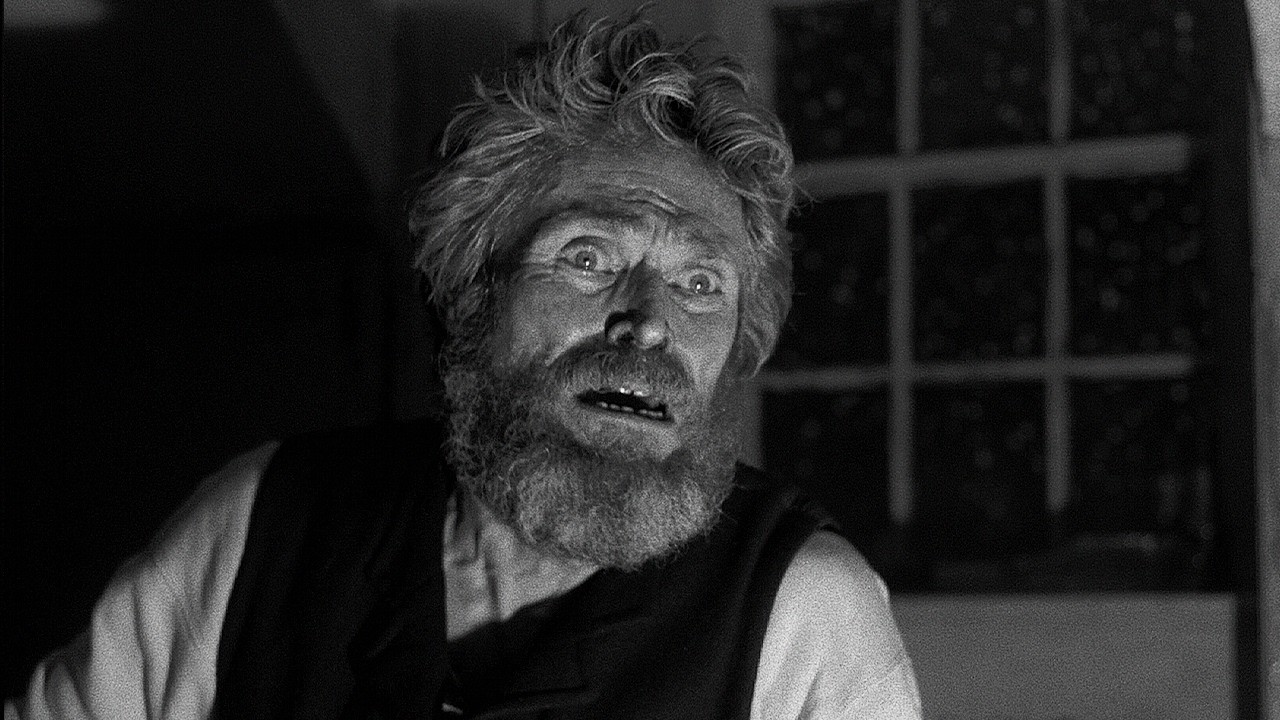
Thomas Wake bellows. That’s the first thing you notice. Dafoe’s lighthouse keeper delivers his pronouncements in a fake 19th-century sailor’s dialect that sounds like it was carved out of driftwood, and the commitment never wavers even as the film descends into full mythological madness. There’s a monologue where Wake curses Ephraim Winslow with the fury of a sea god, and Willem delivers it with such total conviction that you stop thinking about whether any of this is real and just surrender to it. Robert Eggers shot the whole thing in black-and-white on a nearly square aspect ratio, and somehow Dafoe fills every inch of that frame. His Independent Spirit Award for Best Supporting Male confirmed what viewers already felt watching it: you simply cannot look away from him.
6. Poor Things (2023)
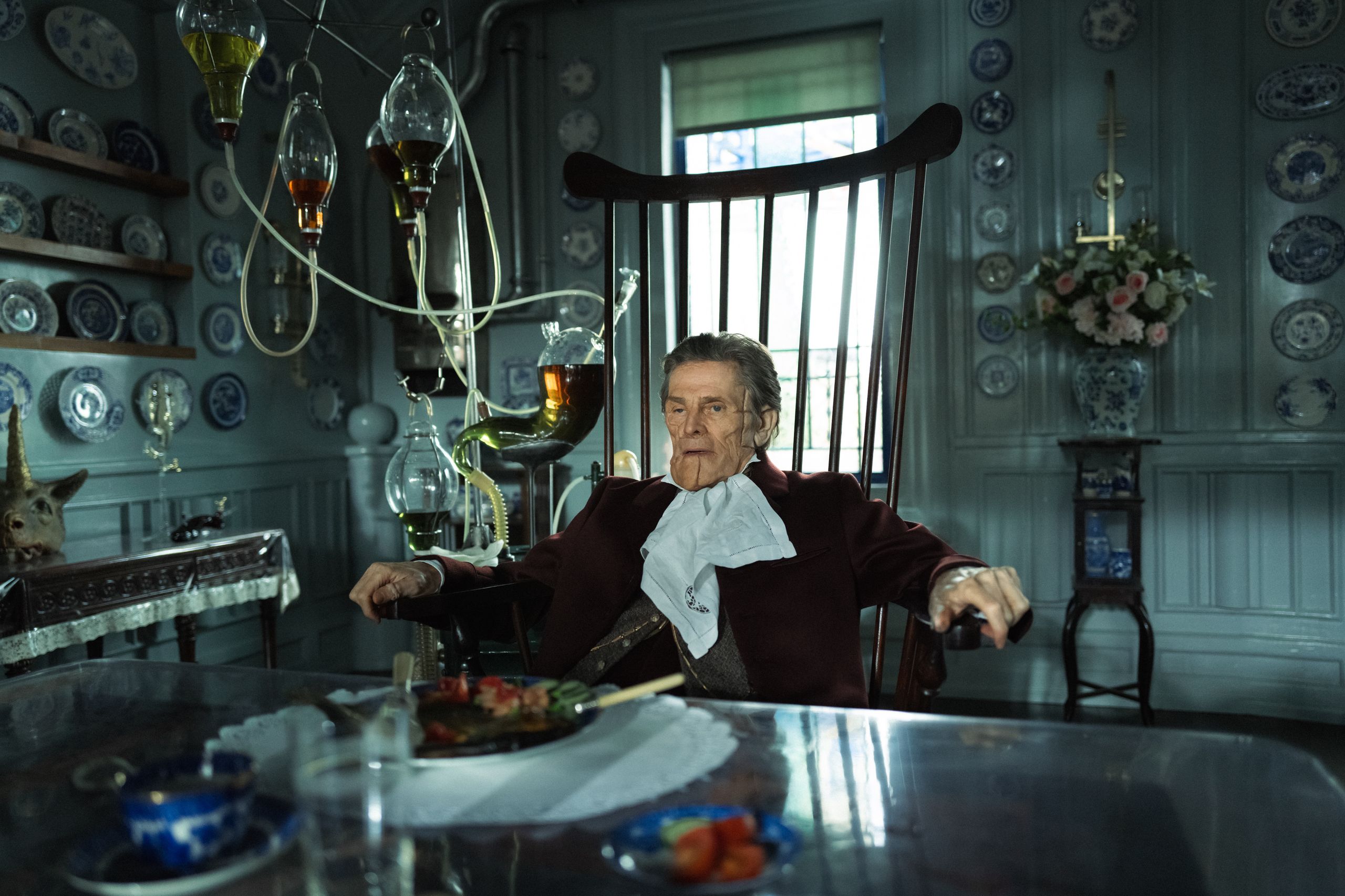
Dr. Godwin Baxter, “God” as everyone calls him, is a man assembled from spare parts who has spent his life assembling others. Beneath the elaborate prosthetics and the character’s grotesque origin story, there’s real tenderness in how Baxter watches Bella surpass him: pride and grief occupying the same expression at the same time. The scene where he explains his own creation to Bella, matter-of-factly describing the horrors of his childhood, lands with a quiet devastation that Dafoe earns through restraint rather than performance. His Golden Globe and SAG nominations reflected what the film needed him to do: be the emotional anchor in a story that could have easily floated away into pure visual spectacle.
5. Shadow of the Vampire (2000)
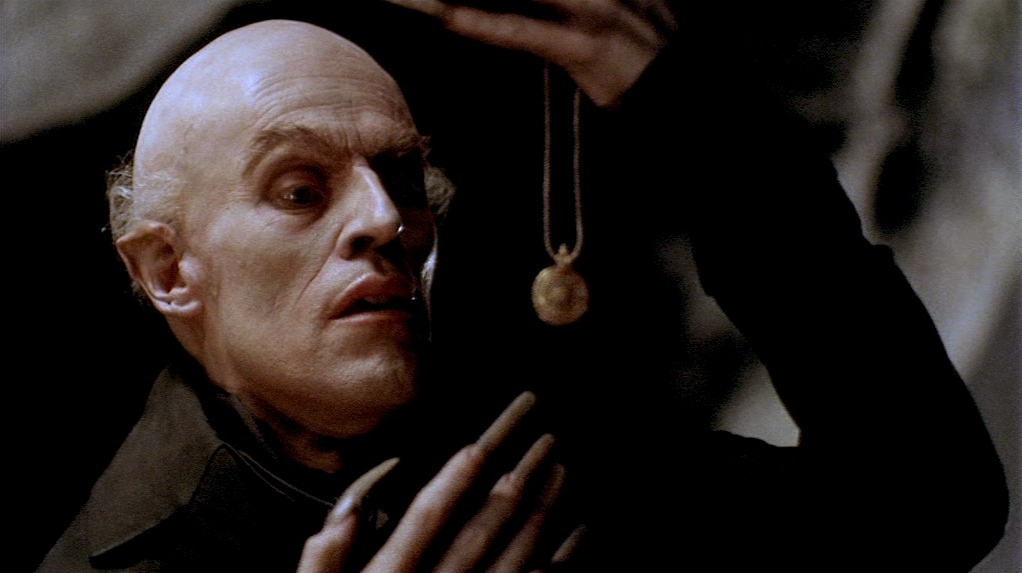
The premise is irresistible: what if Max Schreck, the actor who played the vampire in Nosferatu, was actually a vampire? Dafoe takes that delicious concept and runs somewhere deeply strange with it, playing Schreck as a creature of real menace who also happens to be the funniest character in the film. He moves like something not quite human, delivers his lines with a cadaverous timing that’s somehow both terrifying and absurd, and in one extraordinary scene, explains to the film crew what he misses most about the old days with the nostalgic wistfulness of someone describing a lost hometown. His Oscar and Golden Globe nominations reflected how fully he committed to the bit. This is a performance that earns every laugh and every shudder, sometimes in the same breath.
4. At Eternity’s Gate (2018)
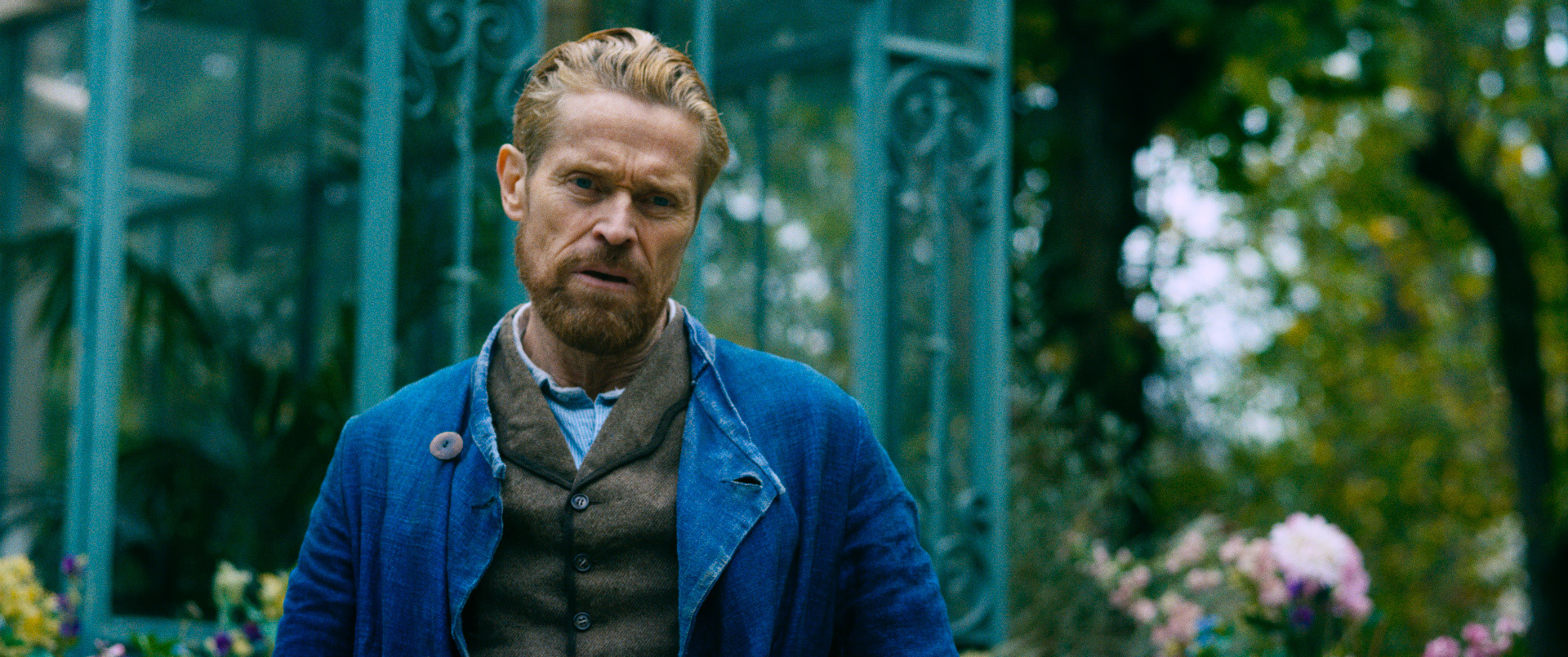
Julian Schnabel’s film isn’t interested in the biographical facts of Van Gogh’s life so much as the texture of his perception, and Dafoe is the perfect vessel for that approach. He doesn’t do an impression of the painter. He finds the ecstatic, aching quality of a man who sees the world at a frequency no one else can access, and that registers as a physical sensation. There’s a scene where Van Gogh lies in a field, face turned up to the sun, and the joy on Willem’s face is so unguarded it’s almost hard to watch. He won the Venice Film Festival’s Volpi Cup for Best Actor and earned an Oscar nomination that placed him among the year’s finest lead performances. It’s his most sustained, fully inhabited dramatic work.
3. The Spider-Man Franchise (2002–2021)
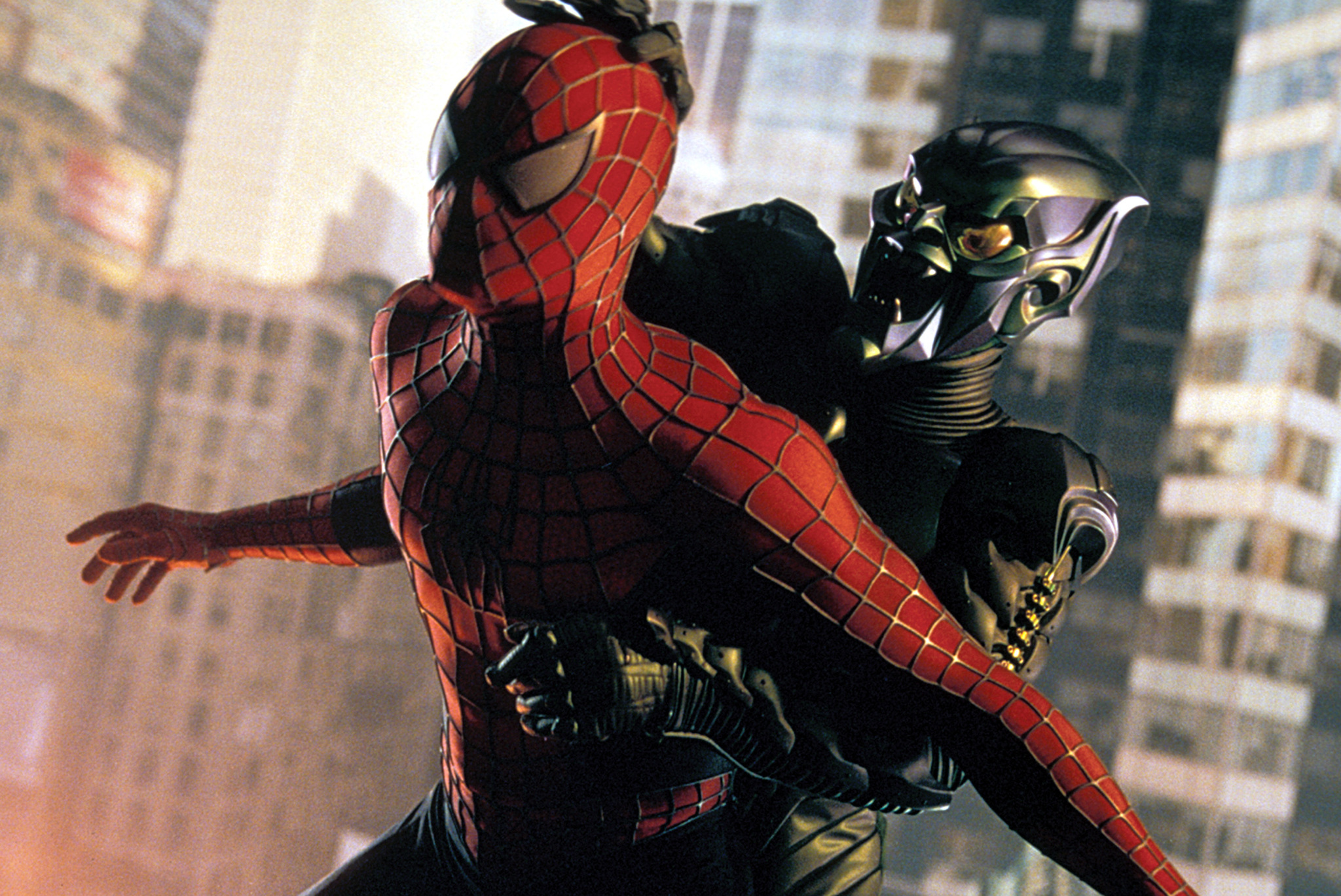
An iconic scene in the 2002 Spider-Man shows Norman Osborn arguing with his own reflection, and Dafoe plays both sides with completely different energies: the wounded, desperate father on one side, the gleeful, unhinged monster on the other. That scene alone established a template for superhero villainy the genre spent years trying to replicate. When Norman returned in No Way Home two decades later, Osborn hadn’t lost a single volt of menace. The moment where he snaps back to his true self mid-conversation, his expression shifting in a single frame from confused old man to something far more dangerous, is the most chilling scene in that entire film. That the performance works across twenty years and multiple continuities says everything about how completely Dafoe understood this character from the very beginning.
2. The Florida Project (2017)
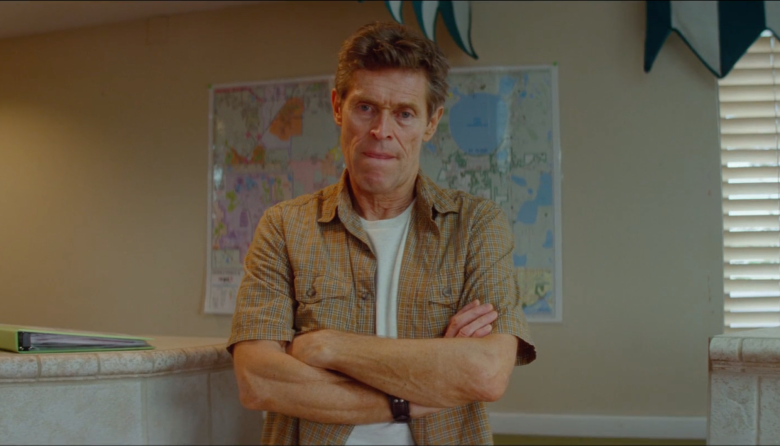
Bobby Hicks manages a budget motel outside Disney World, spending his days navigating the chaos of people who have nowhere else to go. Dafoe plays him without a single moment of self-congratulation. No scene where Bobby announces his own goodness or asks for admiration. He just does the work: chasing off predators, bending rules for struggling families, absorbing the frustrations of people with very little left to lose. Watch how he handles a tense confrontation with a stranger lurking near the children: no heroics, just quiet, firm insistence that lands harder than any dramatic speech. His Oscar nomination for Best Supporting Actor, alongside Golden Globe and SAG recognition, reflected what audiences felt immediately. Bobby Hicks is the film’s moral center, and Willem renders him completely, heartbreakingly real.
1. Platoon (1986)
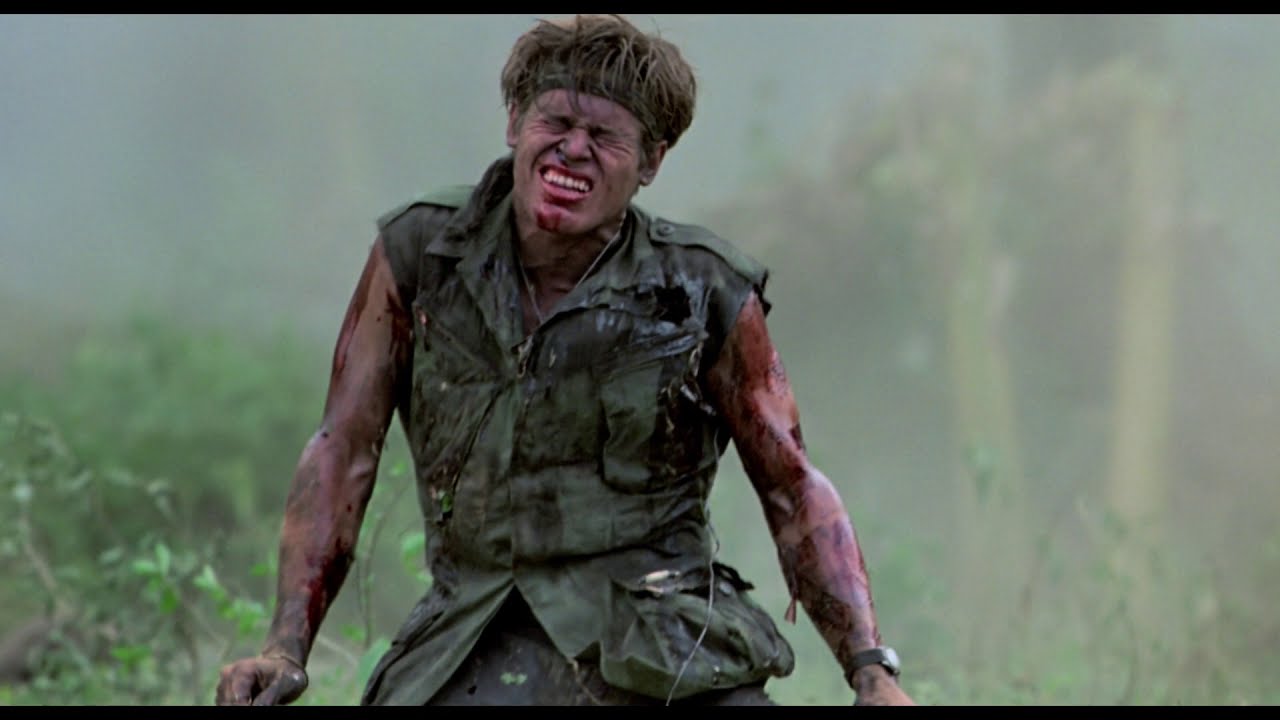
Sergeant Elias Grodin is the soul of Oliver Stone’s Vietnam film, and the moment he dies, stumbling from the tree line with arms spread wide, sinking to his knees as Samuel Barber’s “Adagio for Strings” swells, became one of the most reproduced images in American cinema. But it only works because of everything Dafoe built before it. Elias moves through the film with a loose, almost spiritual ease, the one soldier who seems to have made peace with where he is while everyone around him falls apart. His scenes with Charlie Sheen’s Chris carry genuine warmth, and his confrontations with Tom Berenger’s Barnes crackle with the tension of two men who represent irreconcilable ideas about what war does to a person. His Oscar nomination for Best Supporting Actor announced him to the world. More importantly, it gave us a character who has never really left.
What makes Dafoe so fascinating to watch across forty-plus years is that he never seems to be protecting himself. Other actors manage their image; Willem just shows up and goes somewhere. Whether he’s playing a Green Goblin, a Dutch post-impressionist, or a motel manager in Central Florida, the commitment is total. That’s not a style, it’s a philosophy, and this list is the proof of where it leads.

Written by Miranda Davies
Film & TV Enthusiast
Hi, my name is Miranda Davies, and I’ve loved film and television all of my life. Some of my earliest memories involve me and family or friends catching the latest movies, or reclining on the couch to catch some awesome television, and I want to share that passion with fellow fans like you! The best way to celebrate film and television is to chat about it with people as equally passionate as you, so this website will be dedicated to being a hub for those that want to chat about their obsessions in a safe and welcoming environment that is fun to visit!
More about the author