
Top 15 Sylvester Stallone Movies, Ranked
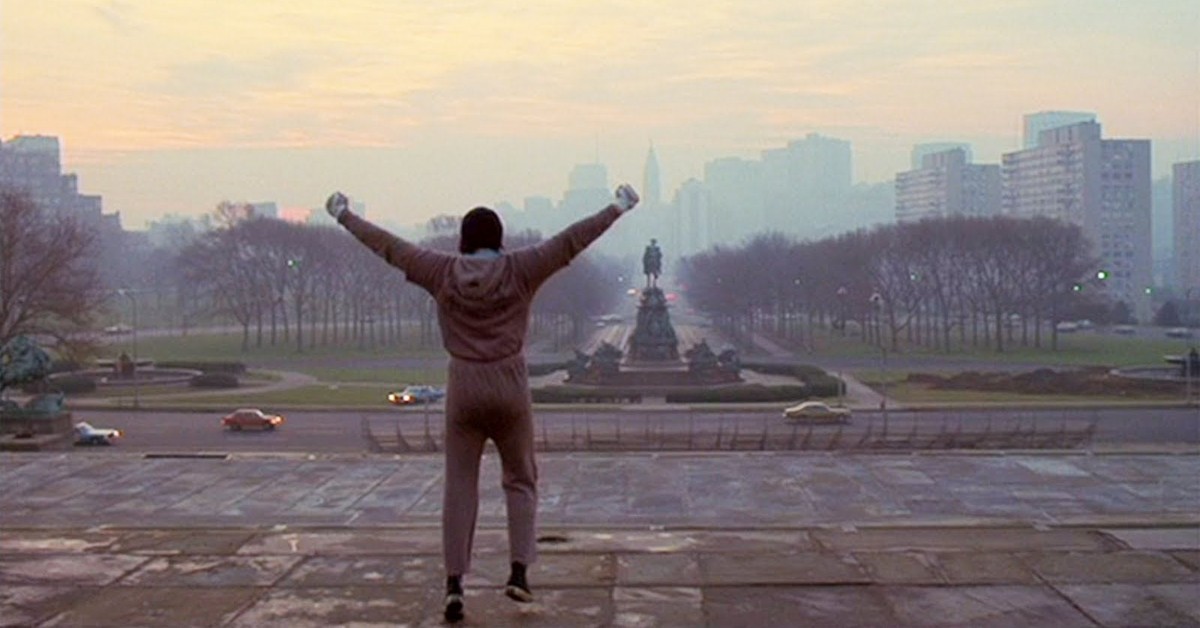
Few actors have bet their entire career on a single performance the way Stallone did with Rocky in 1976, turning down real money to play a character he wrote himself. That stubbornness runs through everything he’s done since, for better and worse. At TV Hulk, we ranked these fifteen films by asking one simple question: how much does Stallone’s specific presence make the movie work? Not just whether the film is good, but whether his choices in the role — the physical commitment, the emotional honesty, the sheer force of personality — are what you remember when the credits roll.
15. The Suicide Squad (2021)
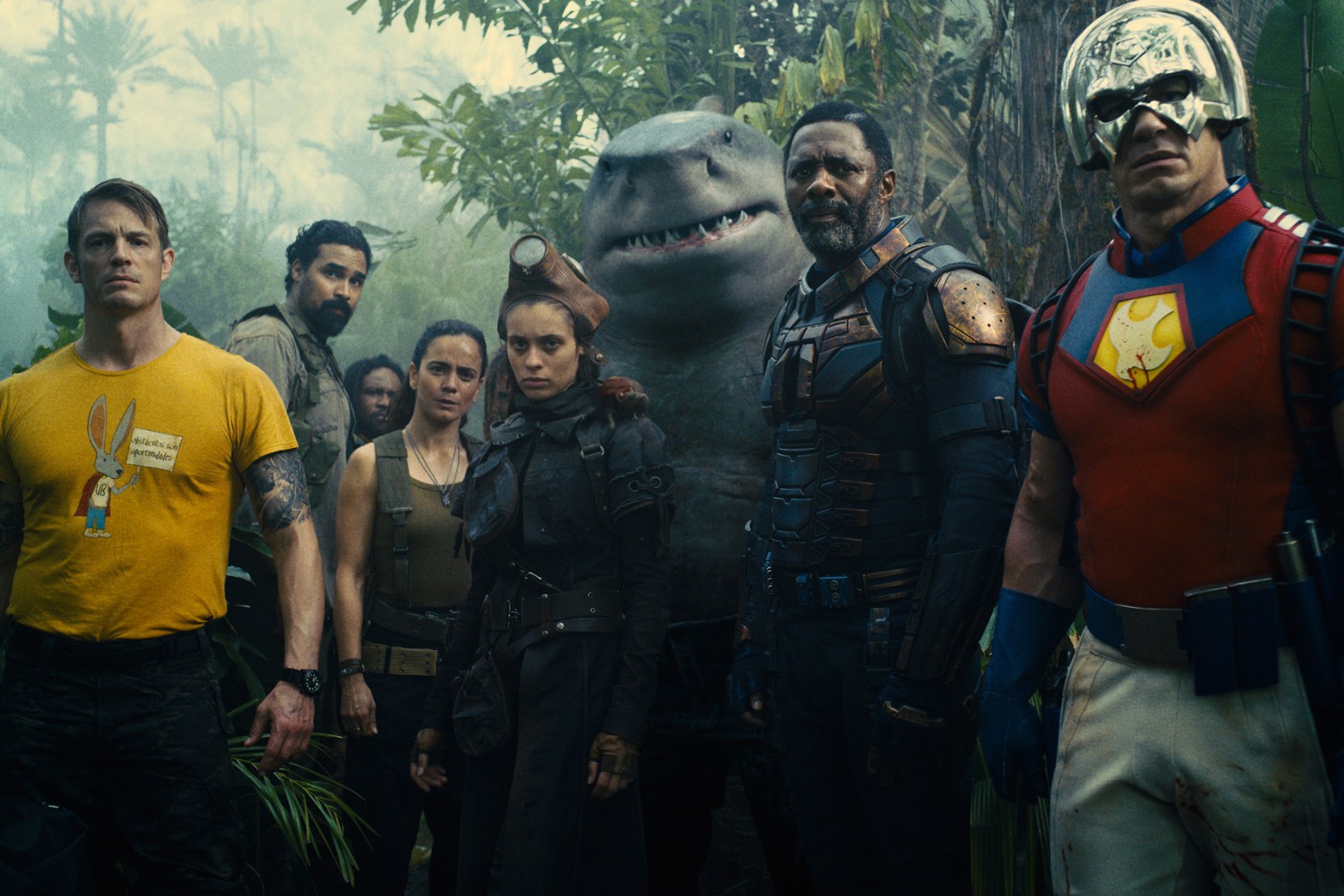
King Shark doesn’t say much, but when he does, it lands. Stallone’s unmistakable rasp, slowed down and softened just enough to read as blissfully unaware rather than threatening, turns a CGI great white into the film’s most unexpectedly lovable presence. The delivery of “Nom nom” became genuinely quotable almost immediately after the film dropped, a remarkable thing for a voice performance from an actor whose face never appears on screen. James Gunn clearly knew what he had, giving Stallone just enough lines to let the timing breathe. It’s a small role, but the fact that his voice alone makes you root for a shark who eats people says something real about how much personality he carries in that mumble.
14. The Lords of Flatbush (1974)
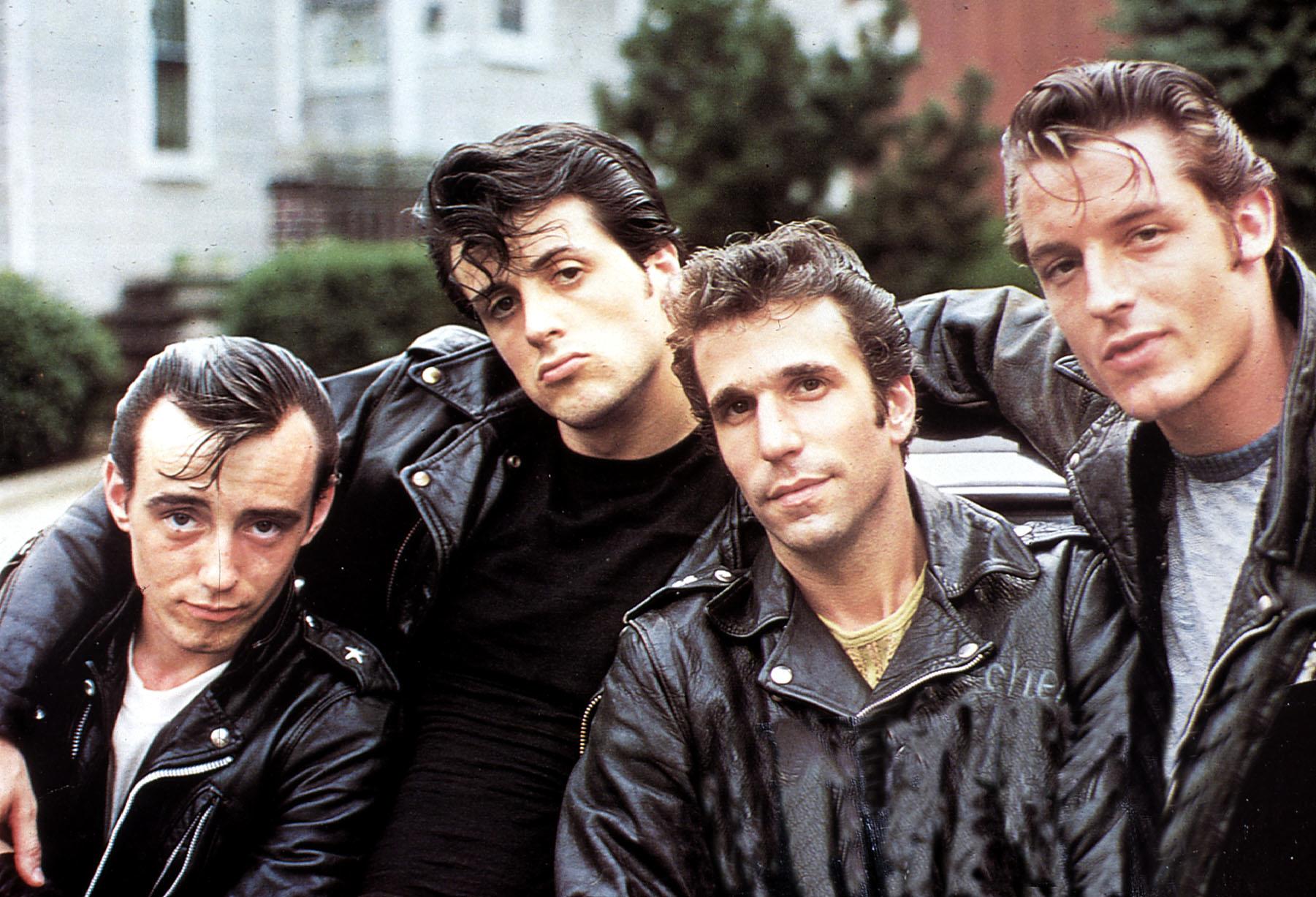
Stanley Rosiello is where it all starts. Two years before Rocky, Stallone was already doing the thing: playing a leather-jacketed, street-corner tough guy with enough raw magnetism to make you wonder why the camera keeps drifting to anyone else. There’s a scene where Stanley talks his way into a corner he clearly can’t get out of, and you can see Stallone working through the character’s bravado and insecurity at the same time, not through big dramatic choices but through small, restless physical energy. The film itself is a modest coming-of-age story, but watching it now feels like finding a sketchbook before the finished painting. Every working-class hero he’d spend the next five decades playing has some Stanley Rosiello in his DNA.
13. F.I.S.T. (1978)
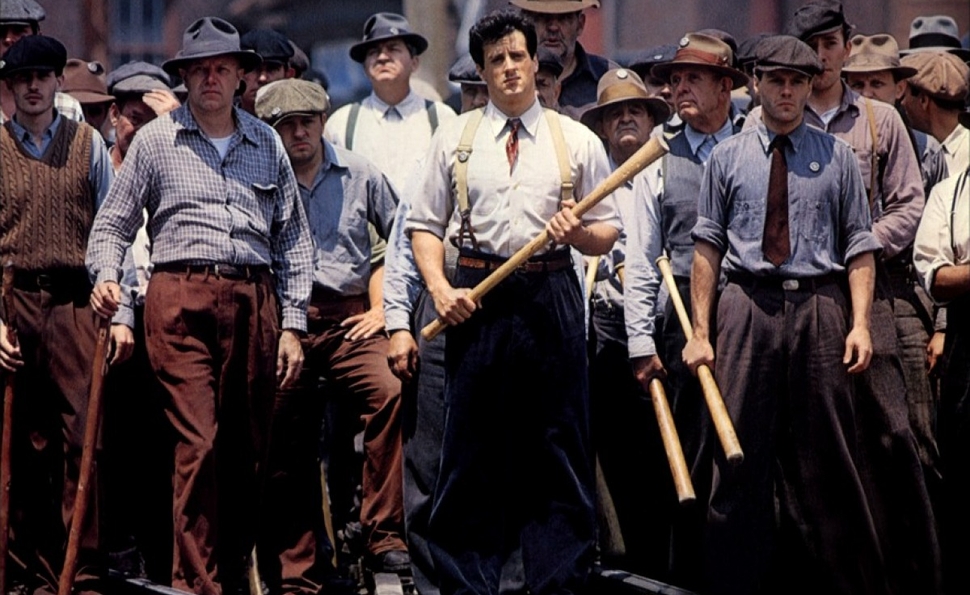
Johnny Kovak starts the film as a true believer — passionate, scrappy, genuinely fighting for something — and ends it as someone you’re not entirely sure you should be rooting for anymore, and that slow corruption is what makes this Jimmy Hoffa-inspired labor epic worth your time. Stallone commits to every step of that slide across the film’s sprawling decades, tracking the passage of time in ways that go beyond makeup or costuming. The later Kovak is calculating and cold where he was once all fire, and Stallone doesn’t soften that or ask for your sympathy. That willingness to let a character become genuinely uncomfortable to watch, without blinking, tells you a lot about what Stallone could do when the material demanded it.
12. Escape to Victory (1981)
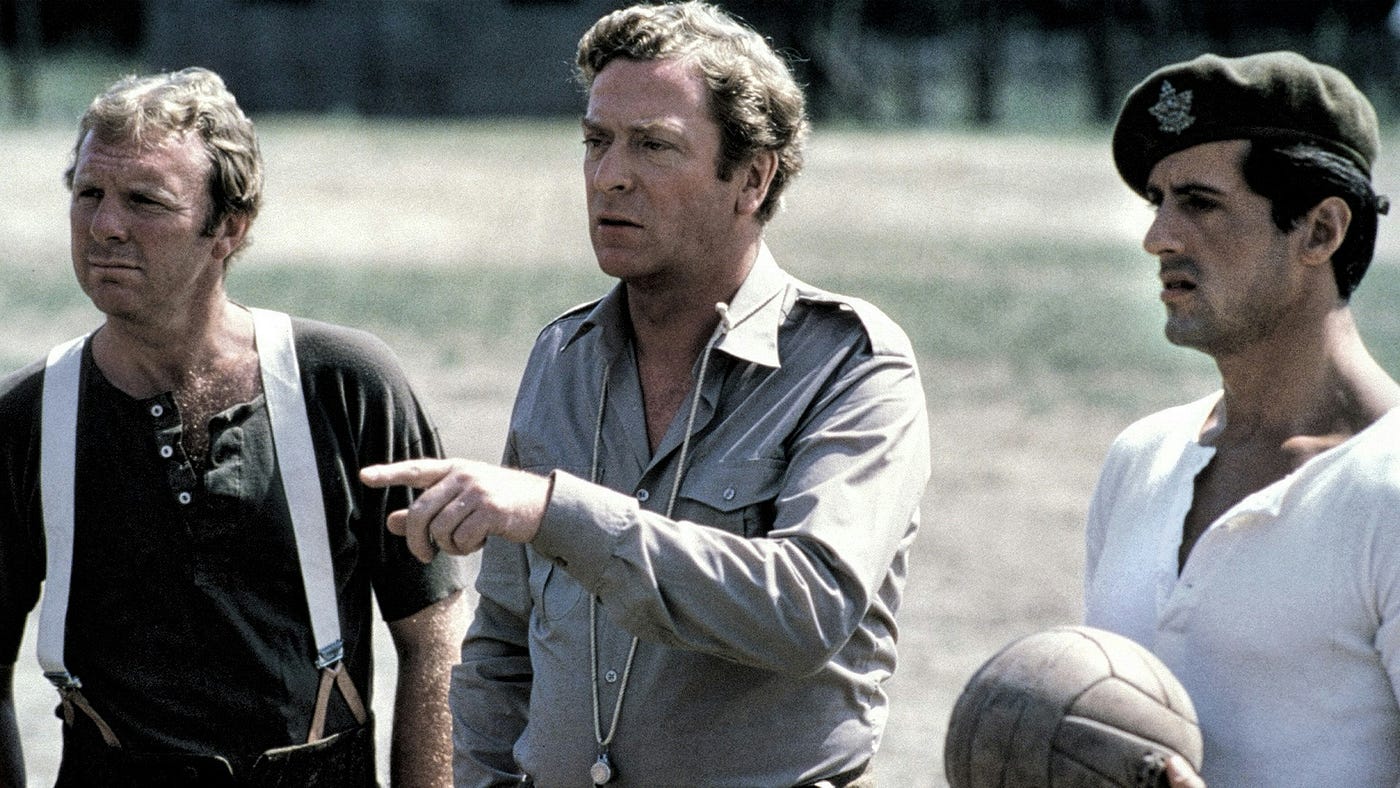
Captain Hatch spends a good chunk of this film learning to play soccer well enough to not embarrass himself next to Pelé, and Stallone’s genuine effort in those training sequences gives the movie an unexpected warmth. John Huston directing a WWII POW escape story built around a football match is already an improbable premise, but what makes it work is that nobody involved seems to be winking at the audience. Stallone plays it straight, and his chemistry with Michael Caine grounds the more outlandish elements. The climactic match, where Hatch makes a diving save the whole film has been building toward, is the kind of crowd-pleasing payoff that only works because you’ve watched him earn it. What’s easy to miss is how much Stallone does physically without dialogue in those final minutes — the desperation on his face before that save tells you everything about who Hatch became over the course of the film.
11. Tango & Cash (1989)
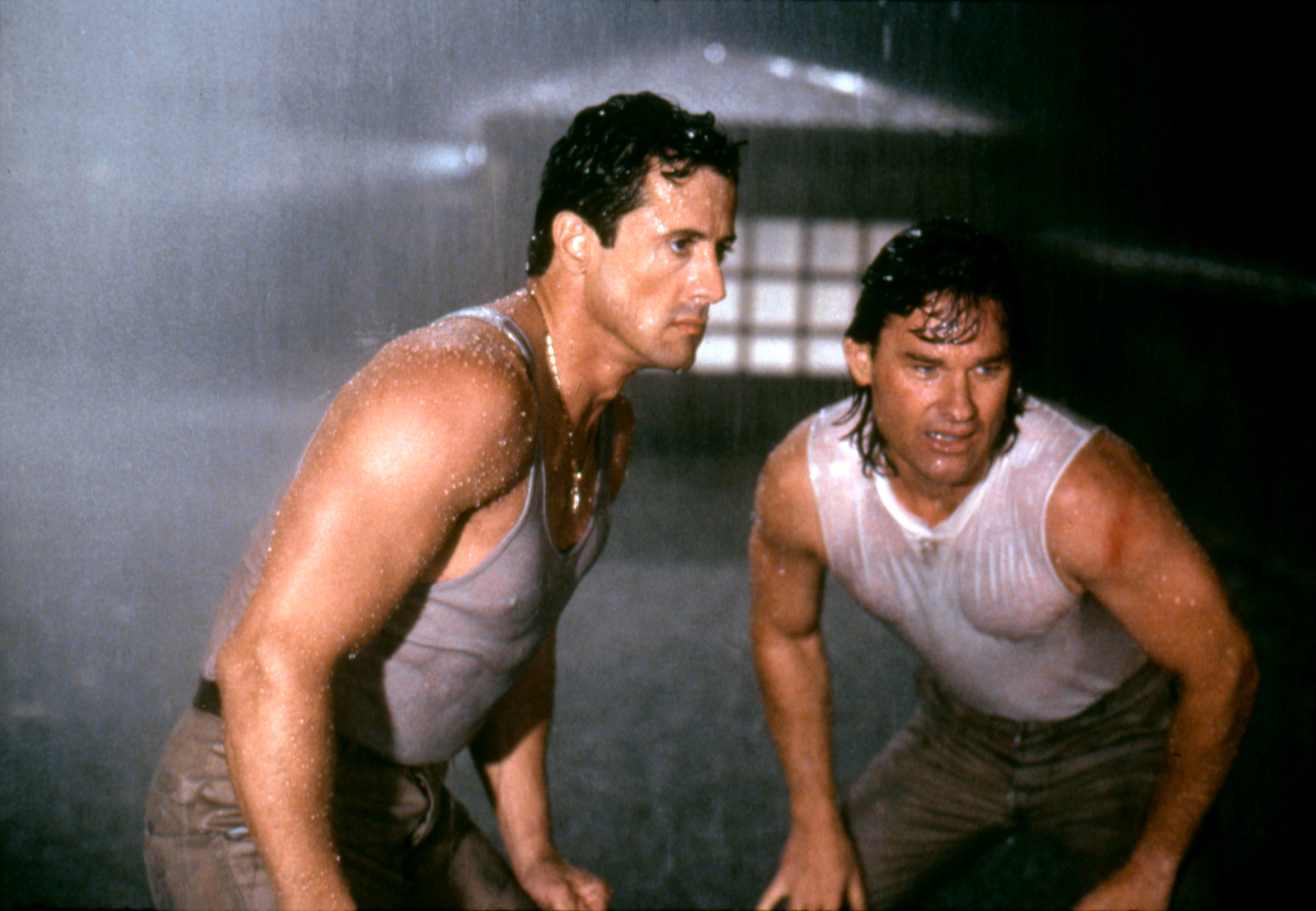
Ray Tango reads the Wall Street Journal. He wears glasses. He’s meticulous, polished, and deeply annoyed by everything Kurt Russell’s slovenly Cash does and says, and watching Stallone lean into that buttoned-up energy is a small revelation. The self-aware casting here is sharper than the film usually gets credit for: putting the guy famous for sweaty, bruised underdogs into the role of the fastidious overachiever and letting Russell play the slob is an inversion that lands with real comic punch. The scene where Tango is forced to shower in a prison block and maintains his dignity through sheer force of will is peak Stallone deadpan. It’s loud and glossy and not particularly deep, but the bickering chemistry between the two leads gives this buddy-cop throwback more personality than the script alone could have managed.
10. Death Race 2000 (1975)
Before Rocky existed, Stallone was already the most interesting thing on screen in Roger Corman’s cheerfully deranged dystopian satire. Joe “Machine Gun” Viterbo is a preening, cocky rival driver who exists mainly to antagonize David Carradine’s champion, and Stallone plays him with a scene-chewing relish that suggests he understood exactly what kind of movie he was in and decided to have as much fun as possible anyway. There’s a swagger to the performance that feels unfiltered, like watching someone who hasn’t yet learned to be careful with his charisma. For fans who want to understand where Stallone came from before the mythology took over, this Corman oddity is the essential pre-fame artifact.
9. Cobra (1986)
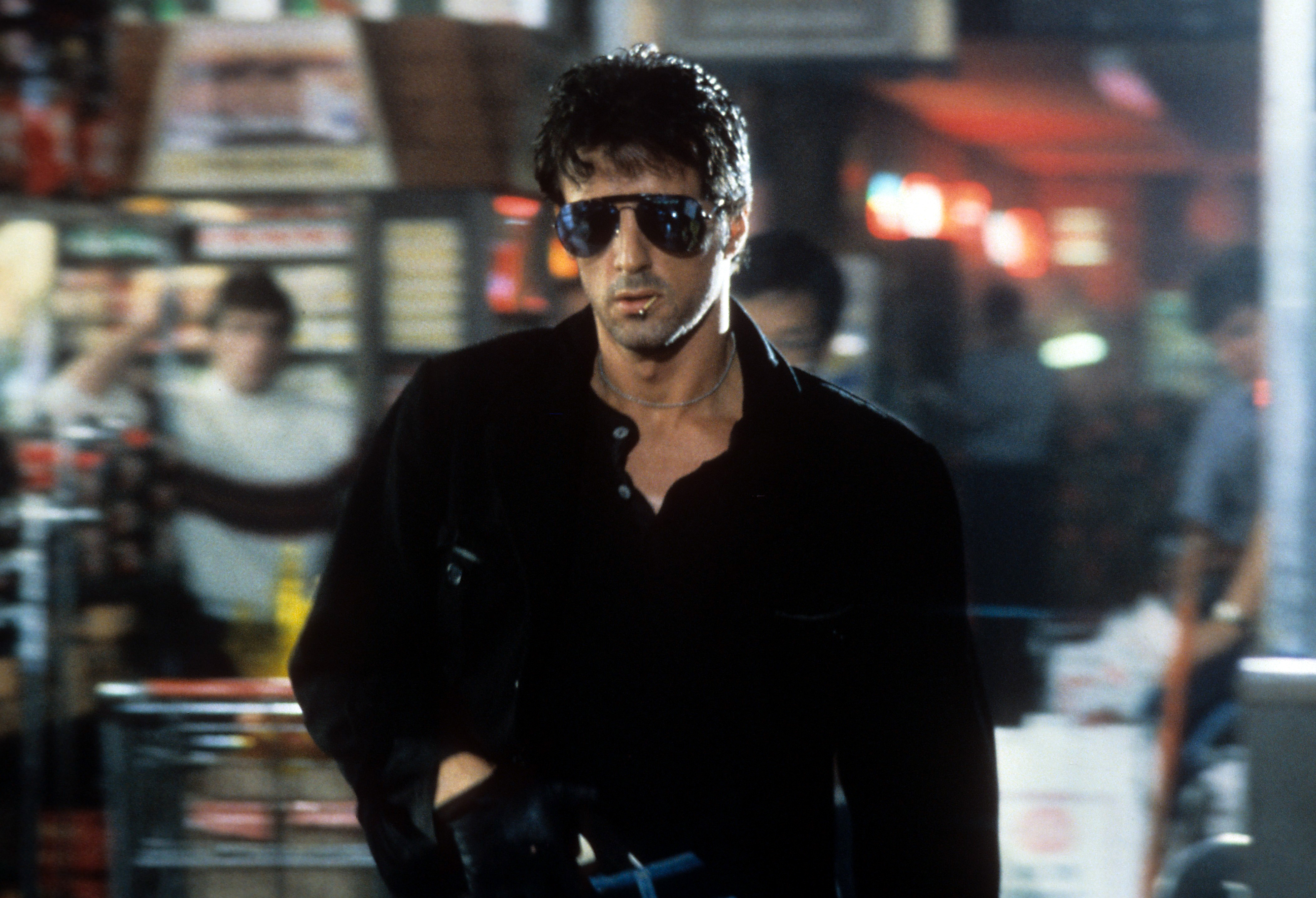
Lieutenant Cobretti eats cold pizza with scissors and calls criminals “the disease” while staring them down through aviator sunglasses, and Stallone wrote the screenplay. This is the most stripped-down version of his action persona, a film that has no interest in complexity and knows it. The opening supermarket standoff, where Cobretti dispatches a hostage situation with maximum efficiency and minimum dialogue, sets the tone immediately: this is a man who has decided the rules don’t apply to him and dares the movie to disagree. Its cult reputation has only grown over the decades as a pure, unironic time capsule of a specific moment in American action cinema, and Stallone’s total commitment to the bit is what keeps it watchable.
8. Nighthawks (1981)
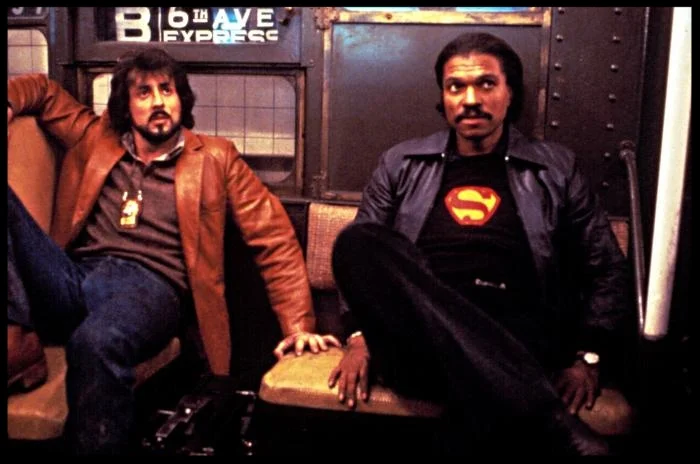
Sergeant Deke DaSilva is Stallone at his most grounded, operating in a gritty, pre-gentrification New York that feels dangerous in ways no studio backlot could manufacture. This is the version of him that existed before Rocky III and the Rambo sequels turned the persona into something larger than life, and there’s a street-level credibility to his work here that’s easy to underestimate. The cat-and-mouse tension between DaSilva and Rutger Hauer’s international terrorist Wulfgar builds slowly and pays off in a climactic confrontation that crackles with real menace. Stallone doesn’t try to out-cool Hauer, which is the smart move: he plays the detective as a tired, determined professional, and the contrast between their energies is what makes their scenes together work. It remains one of the more overlooked entries in his early catalog.
7. Escape Plan (2013)
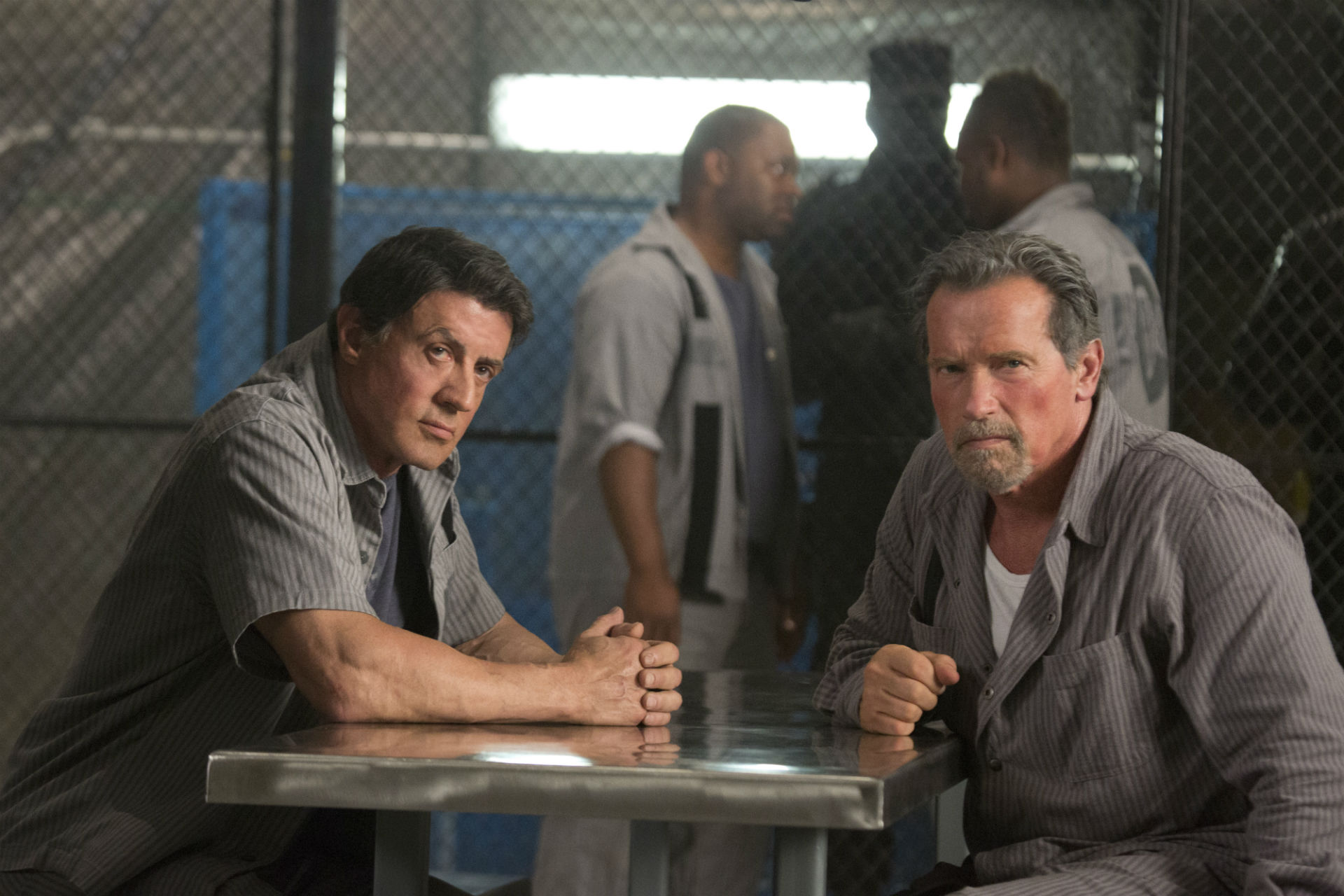
Ray Breslin is the smartest person in every room he enters, and watching Stallone play that with a straight face is half the fun. The premise hands him something he rarely gets: a character whose weapon is his brain rather than his body, a structural engineer who has escaped from every prison ever built and now needs to think his way out of one that seems impossible. The long-anticipated team-up with Schwarzenegger finally delivered something worth the wait — it works because neither actor tries to outmuscle the other, and there’s a relaxed, genuine warmth between them that reads as two people who actually enjoy each other’s company. The scene where Breslin quietly maps the prison’s layout through observation alone is the film’s best argument for why the casting works.
6. The Expendables Franchise (2010–2023)
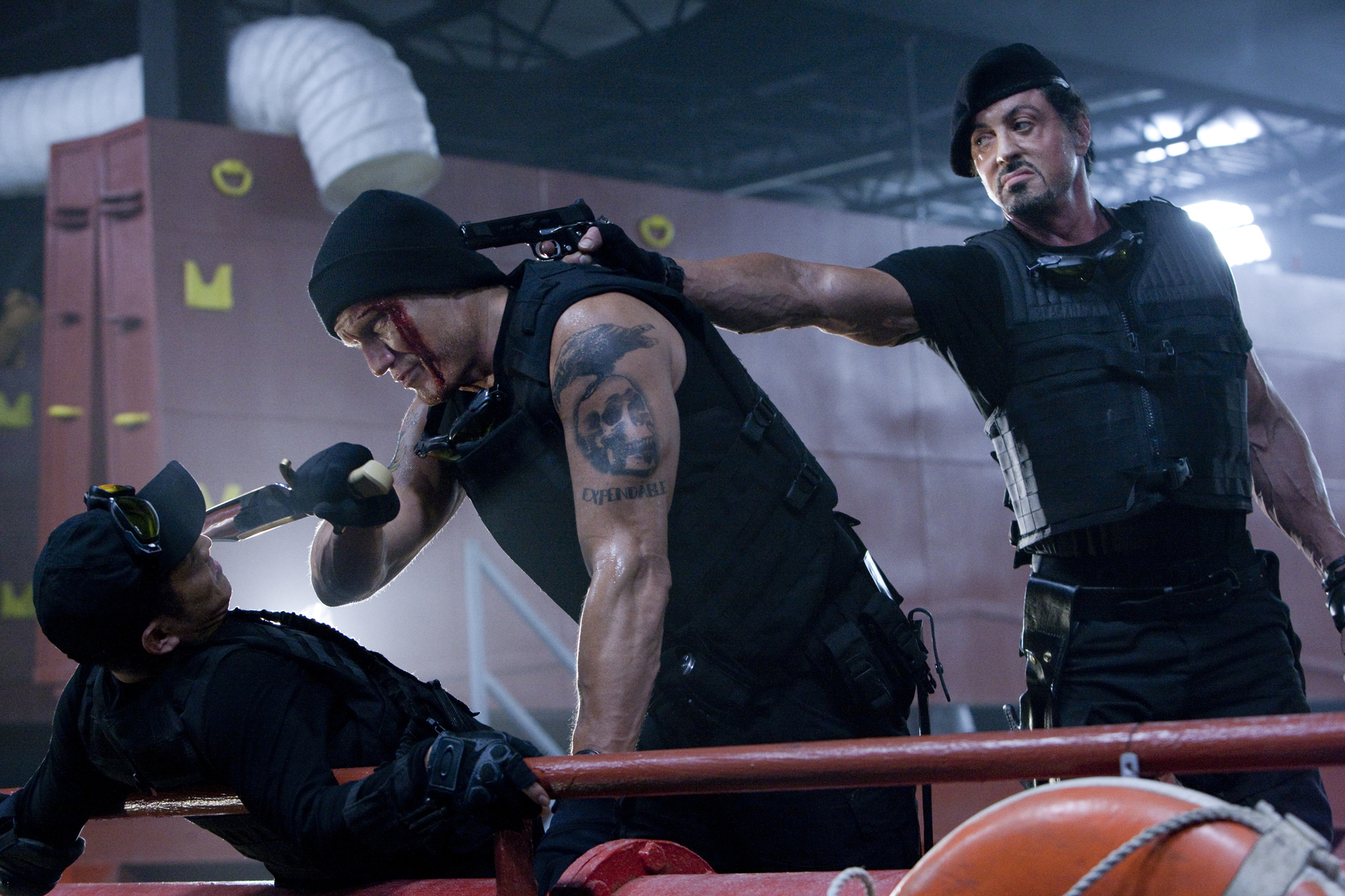
Barney Ross is the kind of role that could easily coast on muscle and one-liners, but Stallone plays him as a man who already knows his time is passing — someone who keeps taking the jobs anyway, not out of denial, but because it’s the only life he’s ever understood how to live. The opening of The Expendables 2 (2012) leans fully into self-aware humor and lets everyone in on the joke, which is the franchise at its most enjoyable. You can see the weariness Stallone brings in the quieter moments: less swagger, more resignation, like a guy reciting a creed he’s not sure he still believes — and that’s what keeps Barney from being just another aging tough guy.
5. Demolition Man (1993)
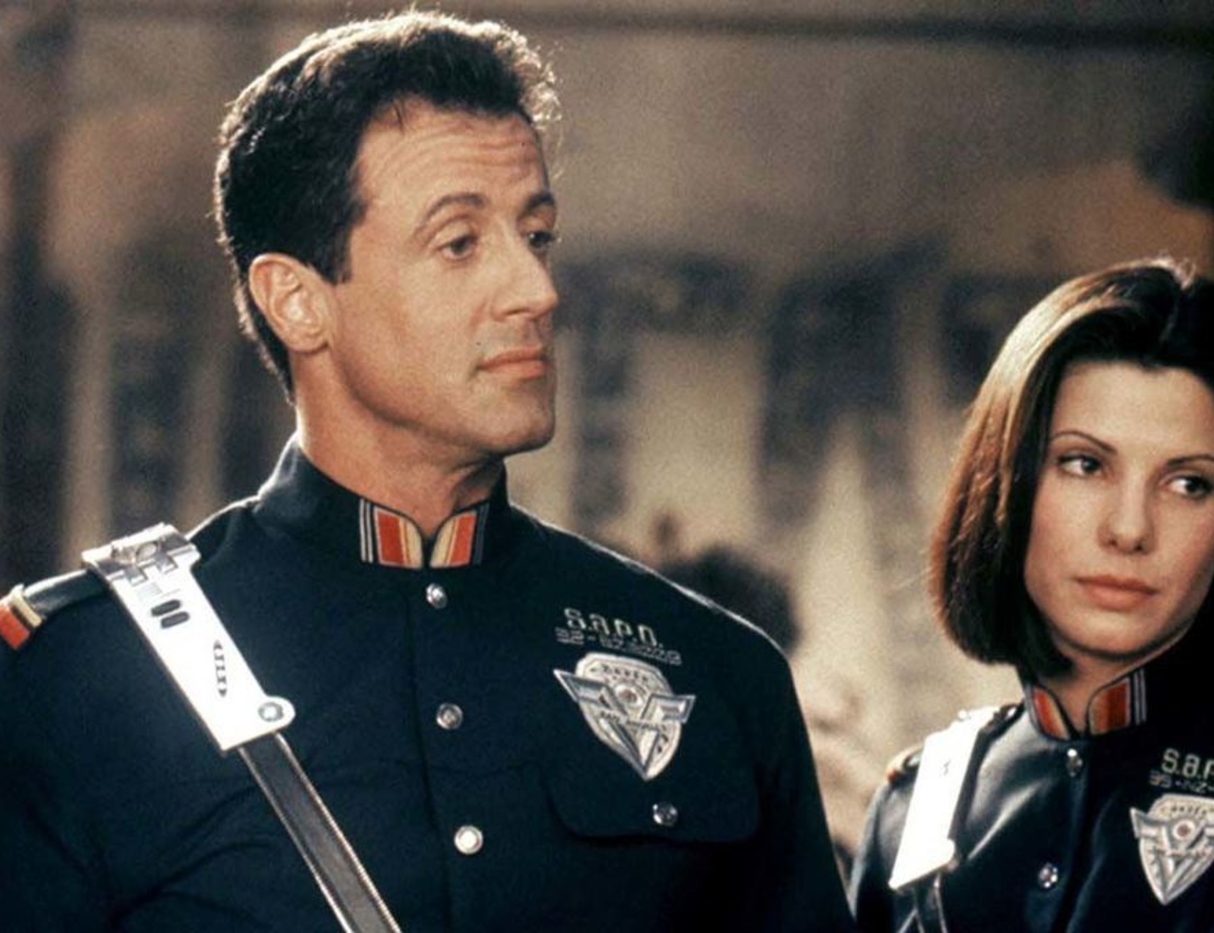
Sergeant John Spartan gets defrosted into a 2032 Los Angeles where swearing is illegal, physical contact is banned, and Taco Bell won the franchise wars, and Stallone plays the whole thing completely straight. That’s the key to why it works: he never winks at the absurdity, never lets Spartan in on the joke, which makes every collision between his old-school cop instincts and the sanitized future funnier than if he were mugging for laughs. His frustration with the “verbal morality monitor” is a small comedy masterpiece, and his timing throughout is sharper than anything in his intentional comedies. The film’s satirical targets have only grown more resonant, and Spartan’s bewildered fury at a world that has optimized away everything worth fighting for hits differently now than it did in 1993.
4. Cop Land (1997)
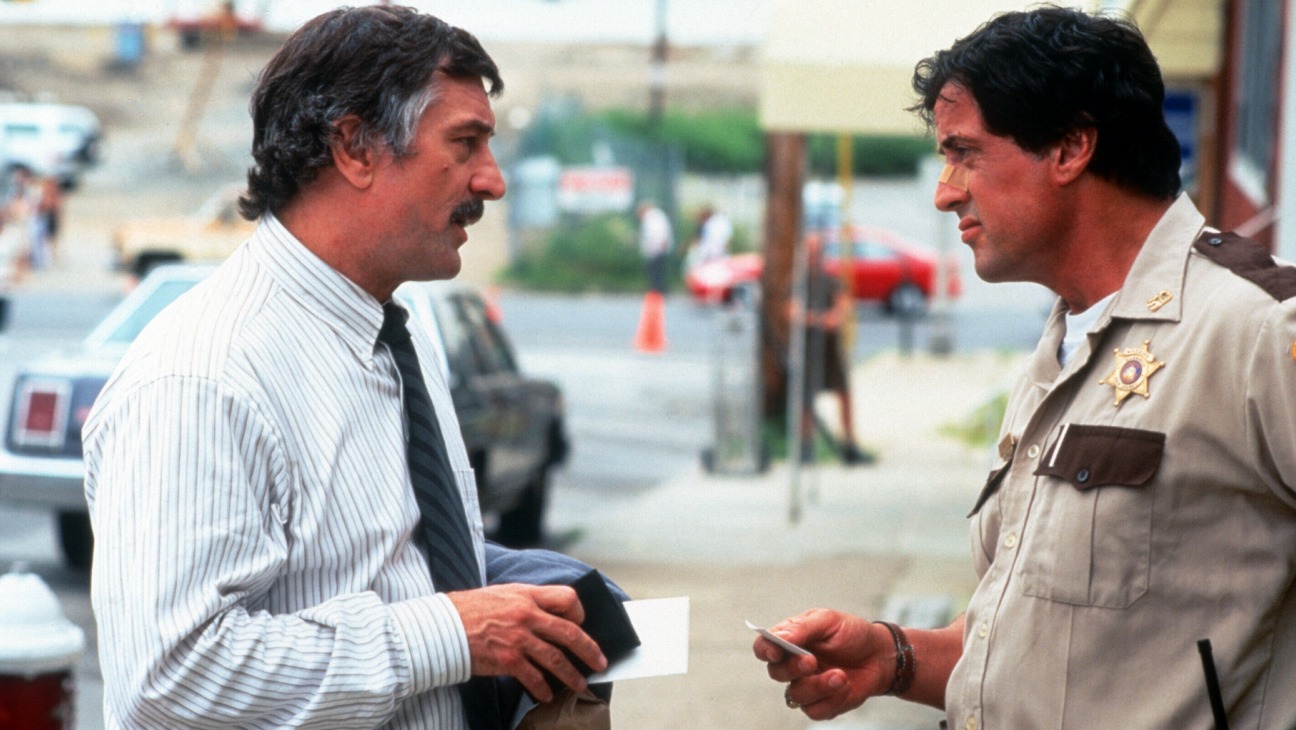
Sheriff Freddy Heflin is a man who wanted to be a cop his whole life and ended up becoming the wrong kind, and Stallone carries that specific sadness in every scene without ever announcing it. He gained 40 pounds for the role, surrounded himself with De Niro, Keitel, and Liotta, and then did something that took real courage: he got quiet. No big speeches, no physical heroics until the film absolutely demands them, just a hearing-impaired small-town sheriff slowly realizing the world he believed in was never real. The scene where Freddy finally walks through the carnage he could have prevented, absorbing what his silence cost, is the most emotionally honest work Stallone has ever put on film. He more than held his own against that cast, which is easy to say and hard to actually do.
3. Cliffhanger (1993)
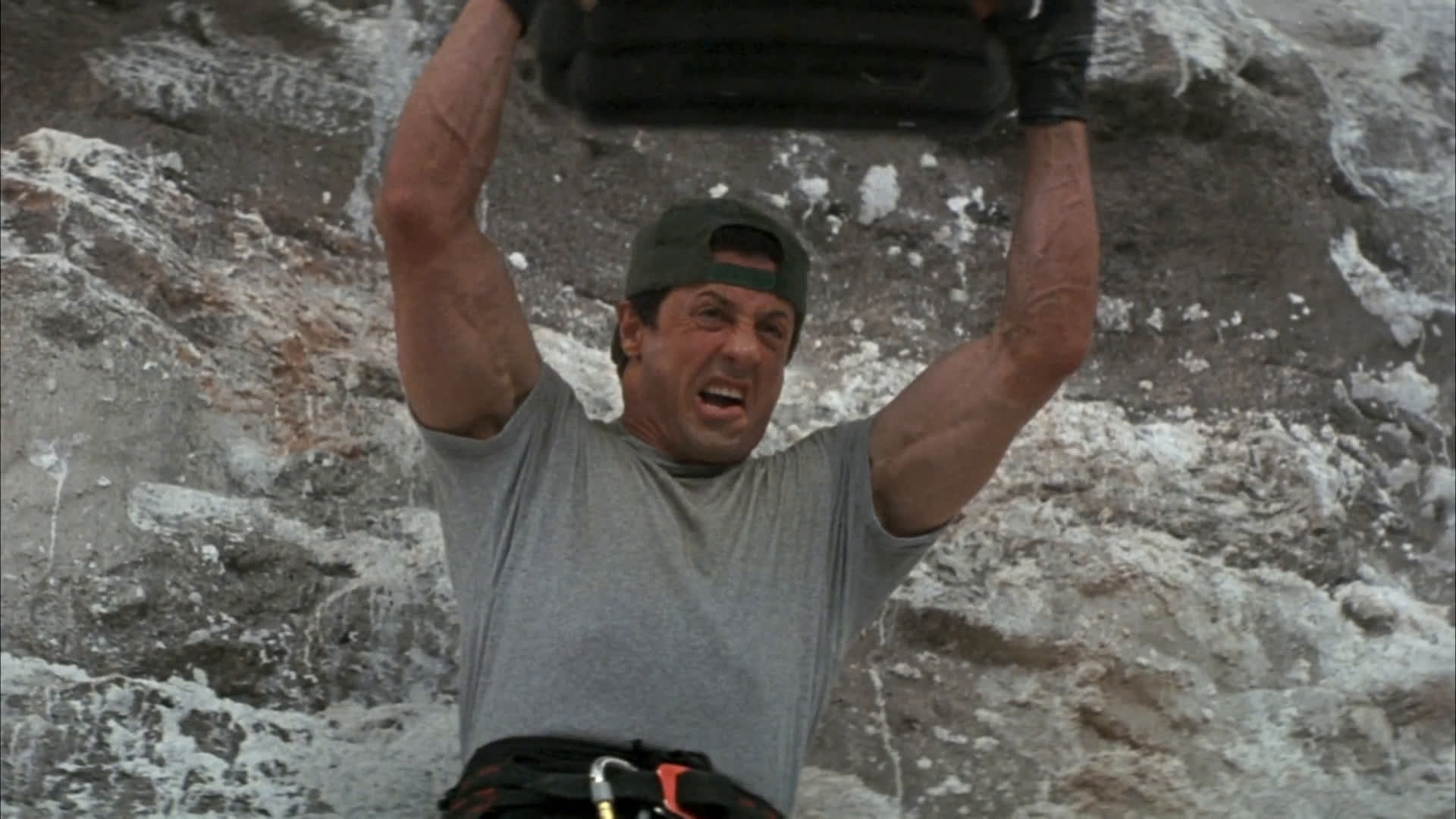
Gabe Walker’s failure is what the whole film is built on. Before the action starts, Stallone plays a man watching someone fall to their death because his grip gave out, and the guilt on his face in that opening sequence does more dramatic work than most actors manage in an entire film. The mountain rescue gone wrong remains one of the most nerve-shredding set pieces of ’90s action cinema, and it works because Stallone doesn’t play it as spectacle, he plays it as failure, and the audience feels it. Everything that follows, the cat-and-mouse with John Lithgow’s villain across the Colorado Rockies, is powered by Gabe’s need to be the person who doesn’t let go this time. The film earned over $255 million worldwide and proved Stallone could carry a non-franchise blockbuster on a single, well-chosen emotional hook.
2. Rambo Franchise (1982–2019)
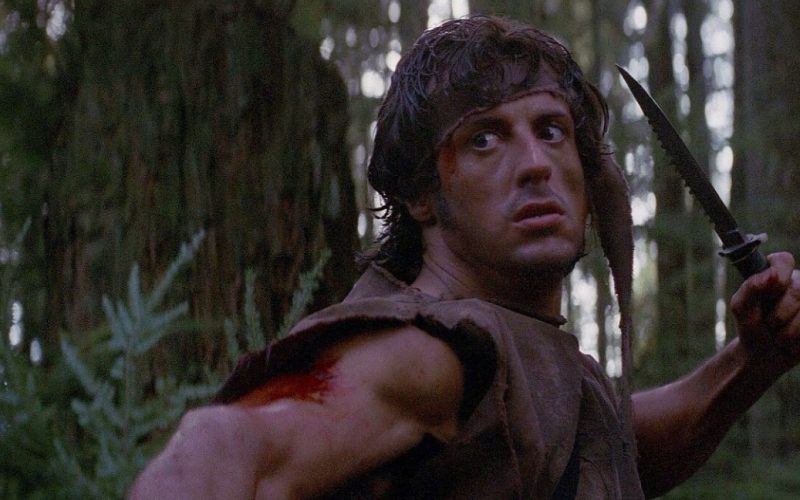
John Rambo doesn’t want to fight anyone. That’s what gets lost when people think about the franchise as a whole: the first film is about a broken Vietnam veteran trying to pass through a small town without incident, and the tragedy is that the town won’t let him. Stallone’s performance is almost entirely reactive, a man absorbing punishment until the dam breaks, and the moment he speaks his grief aloud to Crenna’s Trautman is the most raw he’s ever been on screen. The sequels shifted the character into something bigger and louder, with First Blood Part II (1985) turning the bandana and compound bow into global pop-culture shorthand that still resonates forty years later. The franchise moves from quiet devastation to operatic spectacle and back again, and Rambo (2008) is fascinating precisely because Stallone plays the character’s exhaustion as something physical — slower, heavier, like a man who has stopped pretending the violence costs him nothing.
1. Rocky Franchise (1976–2023)
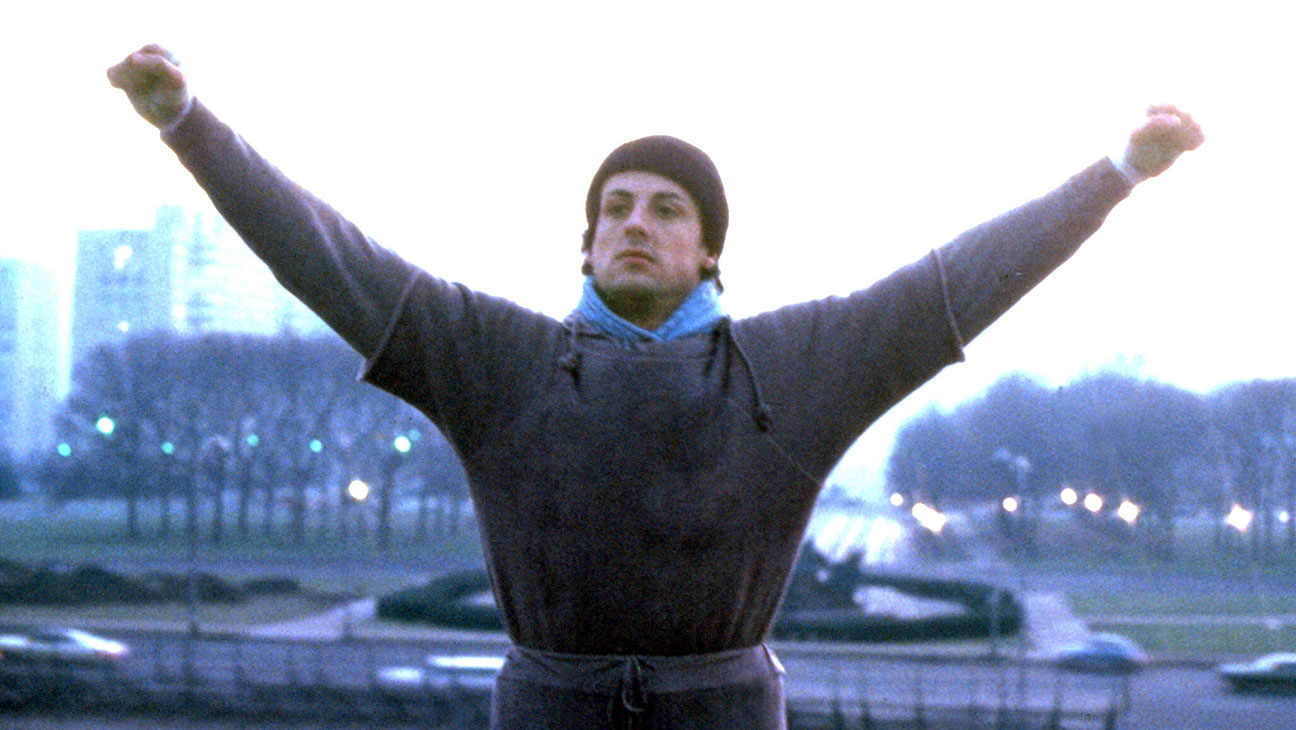
Rocky Balboa is Sylvester Stallone in a way that very few characters are ever truly their actors. He wrote the script in three days, refused to sell it unless he could star in it, and turned down offers that would have made him financially secure for life, betting everything on a club fighter from Philadelphia who just wanted to go the distance. They did. The original Rocky became the highest-grossing film of 1976, and the story of how it got made became almost as famous as the film itself, a real-life underdog story running parallel to the fictional one. What makes the performance hold up across nearly five decades isn’t the training montages or the final bell, it’s the quieter moments: Rocky talking to his turtles, stumbling through a conversation with Adrian, sitting alone in the locker room. Stallone plays the character’s sweetness without a trace of sentimentality, which is harder than it looks.
The franchise grew and changed with him. Rocky III and Rocky IV gave the world some of the most iconic images in sports movie history, while Rocky Balboa brought genuine emotional maturity to an aging fighter making one last argument for why he still belongs. Creed handed the franchise to a new generation and asked Stallone to step back as a mentor quietly managing his own mortality, and what he does with that role is specific and understated: the scene where Rocky reads his wife’s grave out loud, updating her on Donnie’s progress, lands because Stallone plays it like a man who has genuinely run out of people to talk to. The work earned him significant awards recognition, a reminder that the whole franchise had always been about more than just the fights.

Written by Miranda Davies
Film & TV Enthusiast
Hi, my name is Miranda Davies, and I’ve loved film and television all of my life. Some of my earliest memories involve me and family or friends catching the latest movies, or reclining on the couch to catch some awesome television, and I want to share that passion with fellow fans like you! The best way to celebrate film and television is to chat about it with people as equally passionate as you, so this website will be dedicated to being a hub for those that want to chat about their obsessions in a safe and welcoming environment that is fun to visit!
More about the author