
Top 15 Samuel L Jackson Movies, Ranked
“Say ‘what’ again.” Three words. That’s all it takes to understand why Samuel L. Jackson has spent three decades as one of the most watchable actors on the planet. Nobody else can deliver a threat with the weight of a philosophical statement, or turn a philosophical statement into something that lands like a threat. At TV Hulk, we ranked these performances based on how much Jackson disappears into the role — the moments where you stop seeing the actor and start believing the character completely. From Cannes-celebrated drama to billion-dollar blockbusters to genuine cult oddities, this list covers the full range of what makes him so hard to look away from.
15. Black Snake Moan (2006)
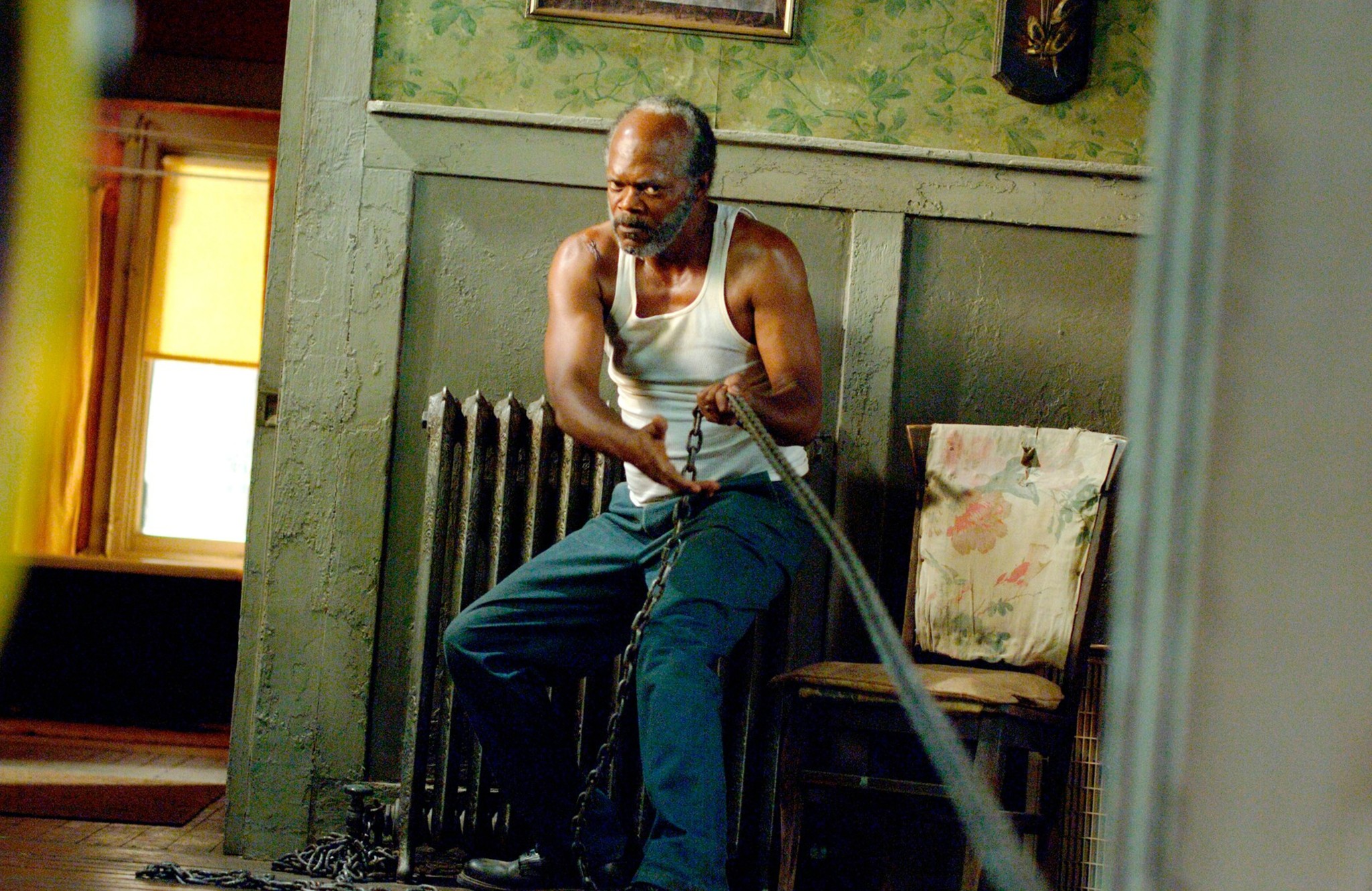
Lazarus Redd is not the kind of role most A-list actors would take in 2006, and Jackson commits to it completely. As a grieving Tennessee bluesman who chains a troubled young woman (Christina Ricci) to his radiator in a misguided attempt to save her soul, he plays Lazarus with a weathered, aching dignity that keeps the film from tipping into exploitation. Jackson actually learned to play guitar for the role, and the scenes where Lazarus sits on his porch working through the blues feel lived-in and real in a way that no amount of acting tricks could fake. Craig Brewer’s film is deliberately provocative and not for everyone, but this performance is the reason it has any soul at all.
14. Changing Lanes (2002)
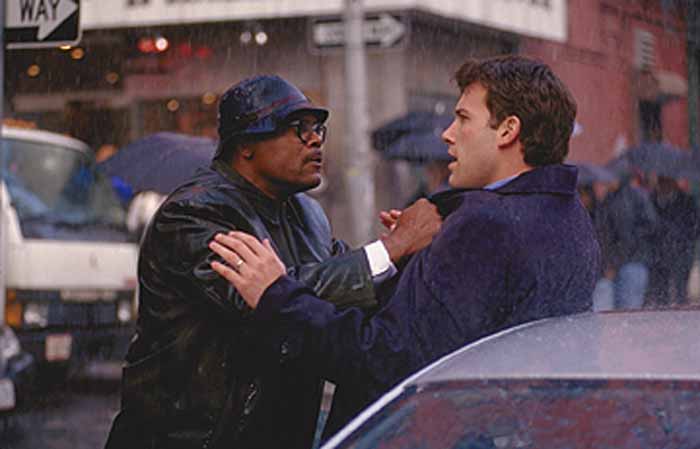
Doyle Gipson starts the film as a man trying to hold his life together with both hands, and Jackson plays that fragility with a rawness that his action roles rarely allow. A recovering alcoholic trying to win custody of his kids, Doyle has one catastrophically bad morning on the FDR Drive that locks him into an escalating war with Ben Affleck’s slick Manhattan lawyer. What makes the performance stick is how Jackson walks the line between sympathy and alarm — you root for Doyle even as his choices get darker, because you can feel the desperation behind every one of them. Roger Michell’s film was a critical success, and it’s largely because Jackson refuses to let Doyle become a simple victim or a simple villain.
13. Coach Carter (2005)
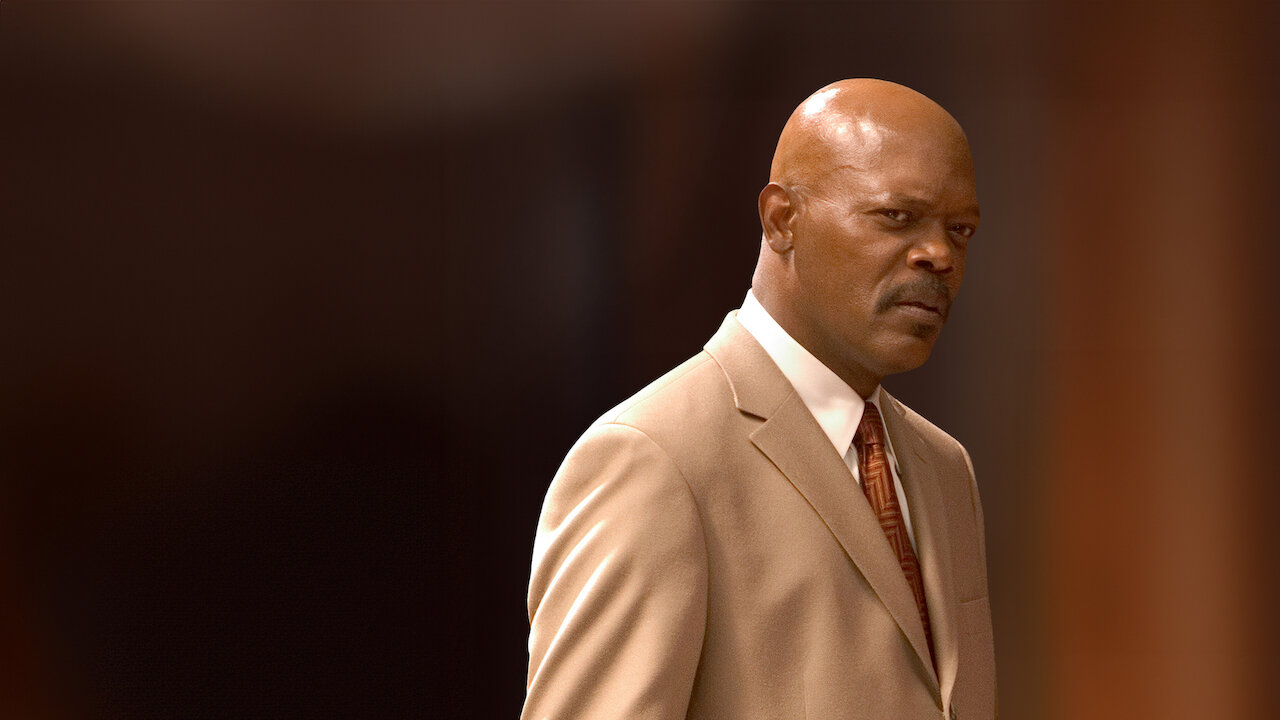
The real Ken Carter made national headlines in 1999 when he locked his undefeated Richmond High basketball team out of the gym over failing grades, and Jackson plays him with a principled, immovable authority that never tips into caricature. There’s a scene where Carter stands alone in the locked gym, reading the team’s academic contracts aloud to the school board while parents shout at him from the bleachers, and Jackson holds the moment with a quiet, almost serene conviction that renders Carter’s position unassailable. The film grossed over $76 million and connected with audiences who don’t often see this kind of moral backbone portrayed without irony on screen. It’s the underrated pick on this list, and the crowd-pleasing ending earns its weight because Jackson never once lets Carter look like he needs the validation — the man already knew he was right.
12. Snakes on a Plane (2006)
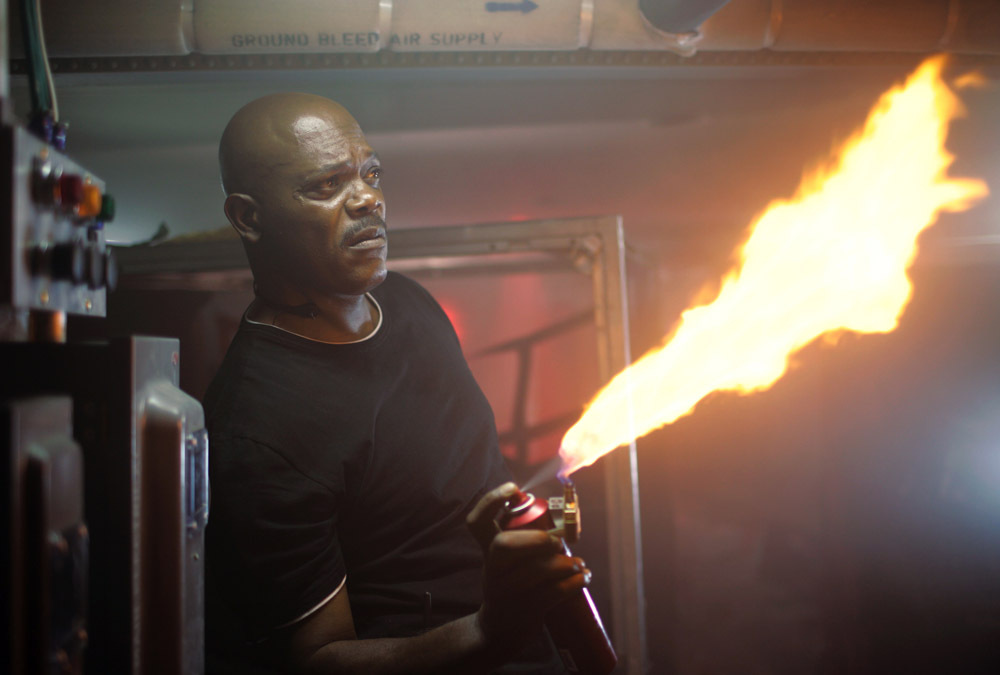
Neville Flynn knew exactly what movie he was in, and so did Jackson. The line, you know the one, became one of the most culturally viral movie moments of the entire 2000s, and what makes it work isn’t just the words but the full-body, zero-irony commitment Jackson brings to the delivery. Flynn is a federal marshal who has simply had enough, and Jackson plays that exasperation with such straight-faced intensity that the absurdity becomes thrilling rather than silly. This was a pre-Twitter internet phenomenon, a film that built genuine grassroots excitement through message boards and fan campaigns, and Jackson’s willingness to lean all the way into the B-movie premise is exactly why it worked. Pulpy material elevated by sheer charismatic force.
11. The Incredibles (2004)
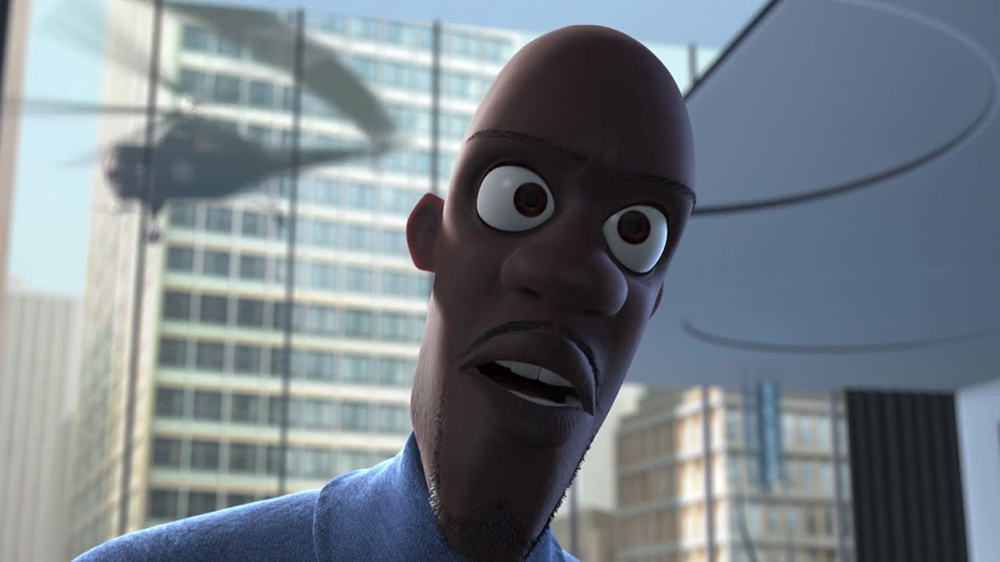
Lucius Best doesn’t get nearly as much screen time as Bob Parr, but Jackson’s voice work turns Frozone into the coolest person in any room he enters, which is rather the point. The delivery is effortlessly relaxed; Jackson pitches Lucius as a man who has fully accepted his own greatness, and that confidence makes the “WHERE IS MY SUPER SUIT?” exchange land as hard as it does. What’s funny about that scene is how Jackson plays the panic underneath the cool, a man genuinely losing his composure while still trying to sound like he isn’t. Frozone became one of the Pixar era’s most beloved supporting characters, and Jackson’s voice is a big reason why.
10. Kingsman: The Secret Service (2015)
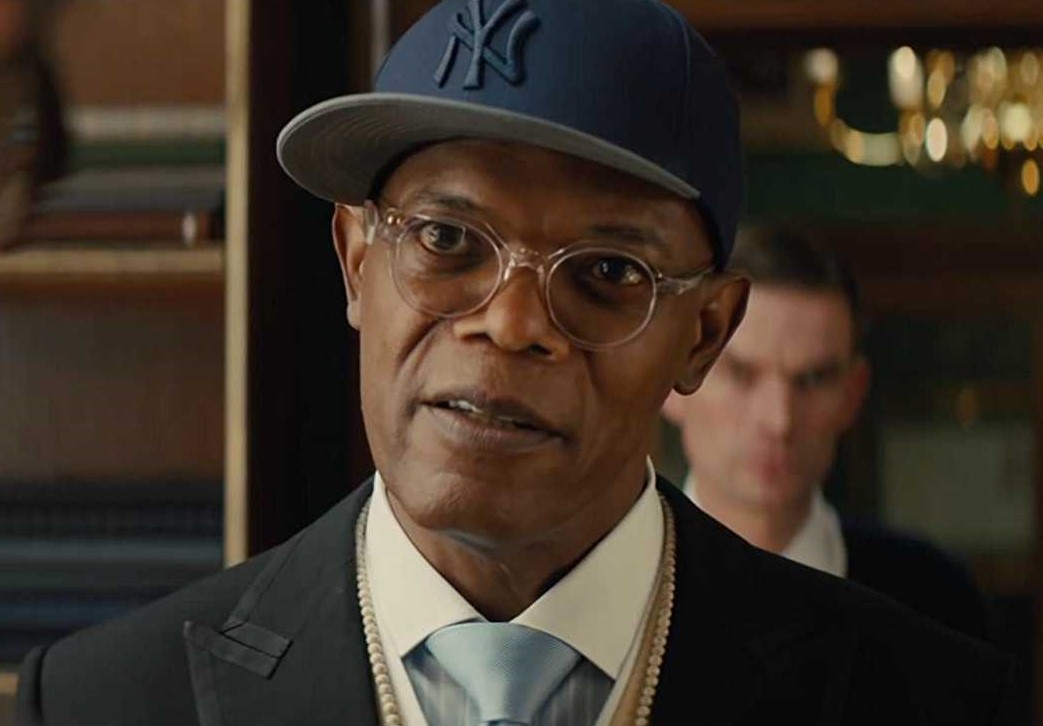
Richmond Valentine is a tech billionaire who wants to save the planet by drastically reducing its population, and Jackson plays him with a lisp and a squeamishness about blood that makes him both ridiculous and deeply unsettling. The combination shouldn’t work, a man who faints at violence while engineering global genocide, but Jackson commits to the contradiction so fully that Valentine becomes one of the more inventive villain turns in his post-2000 work. There’s a scene at a McDonald’s where Valentine pitches his plan to a captured spy over fast food, and Jackson plays it with such cheerful sincerity that you almost follow the logic. What makes Valentine stick is that Jackson never winks at the absurdity — the fainting is played completely straight, which makes the genocide feel all the more casual and chilling by contrast.
9. Die Hard with a Vengeance (1995)
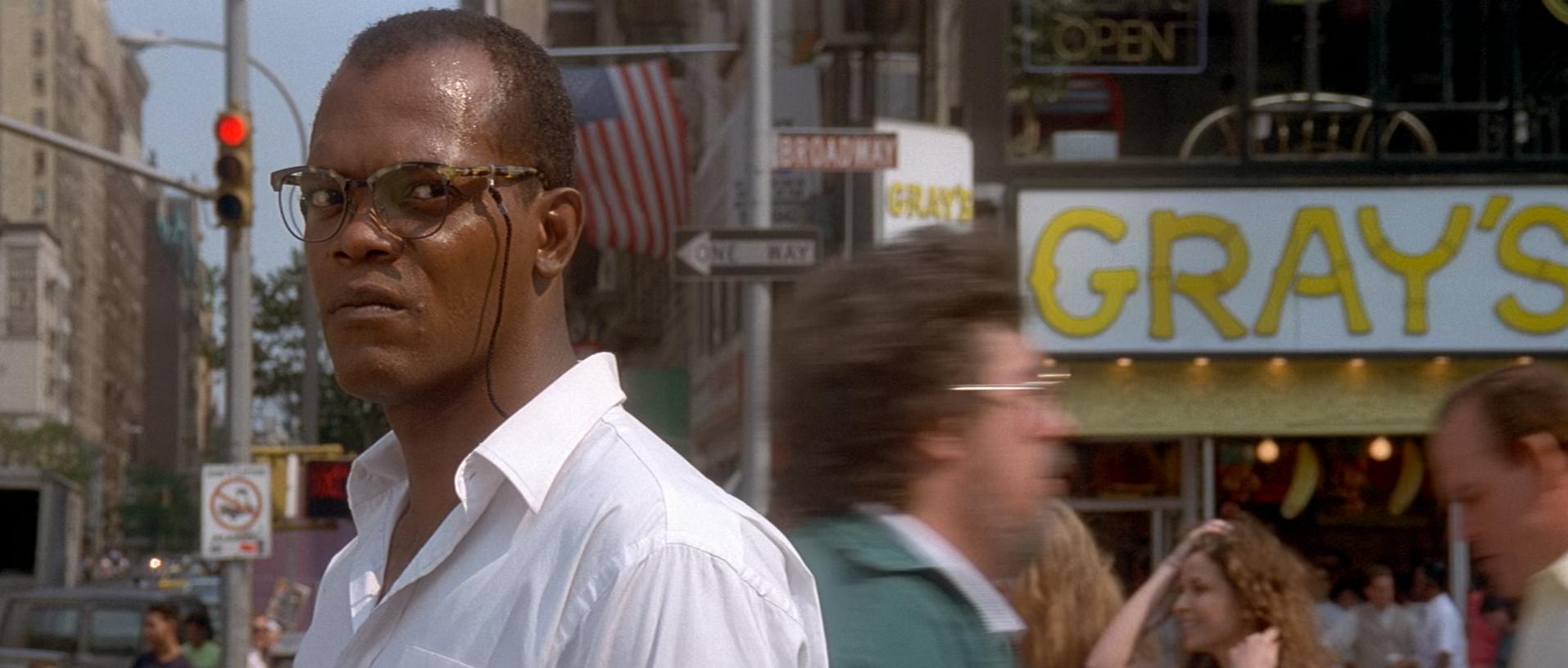
Zeus Carver gets pulled into a city-wide bomb plot because he happened to be standing on the wrong Harlem street corner, and Jackson plays his escalating fury with a comedic precision that matches Bruce Willis beat for beat. The chemistry works because Jackson refuses to play the sidekick; Carver has his own grievances, his own code, and his own running commentary on everything McClane does wrong. The moment where Zeus insists on being included in the bomb-defusing logic puzzle, furiously doing math in his head while McClane panics, is a small masterpiece of physical comedy. John McTiernan’s film was a massive hit, and the Zeus-McClane dynamic is a major reason why audiences kept showing up.
8. A Time to Kill (1996)
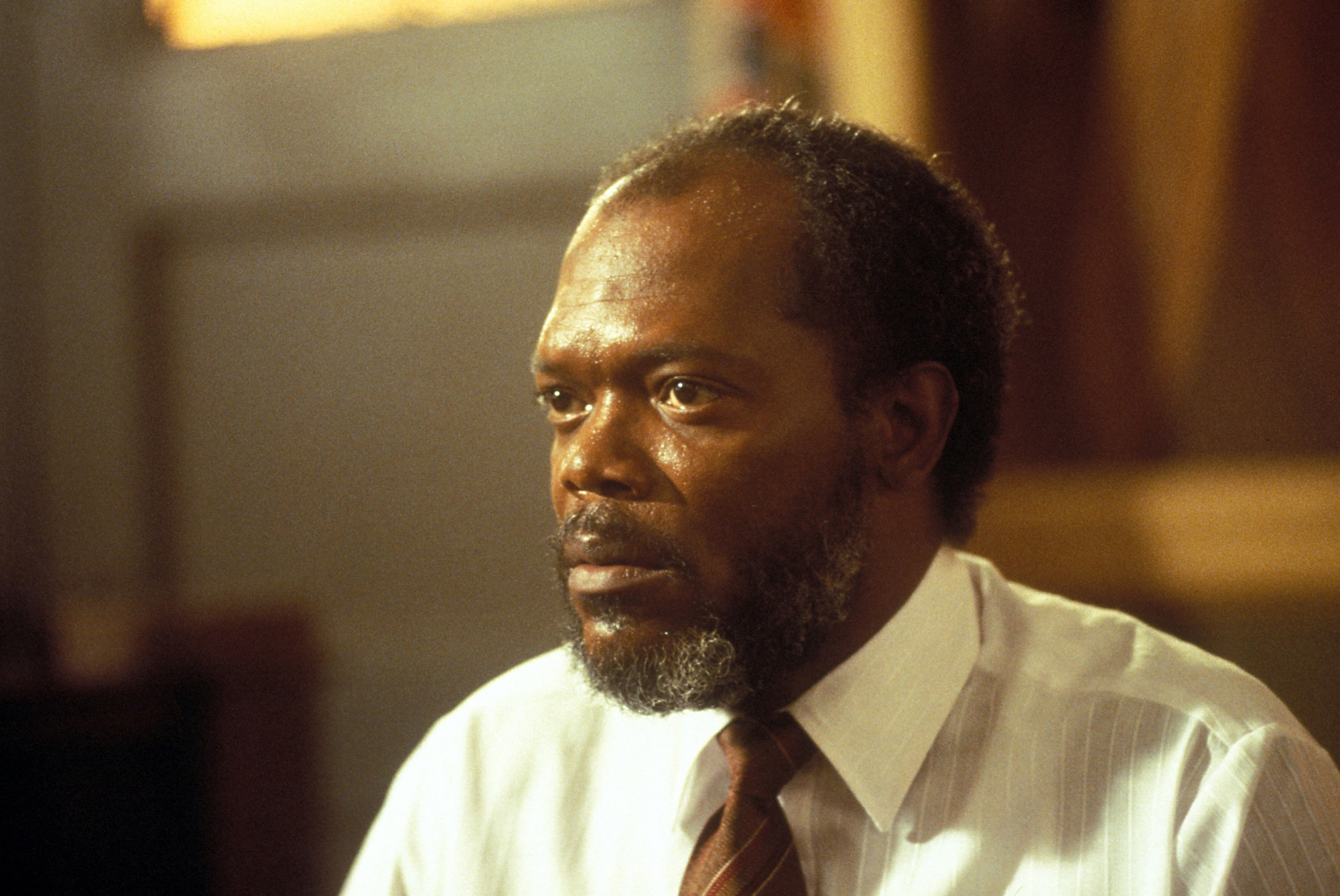
Carl Lee Hailey has already shot the men who attacked his daughter before the first scene is over, and Jackson plays the aftermath, the grief, the certainty, the fear, with a grounded emotional weight that keeps Joel Schumacher’s John Grisham adaptation from becoming a simple courtroom procedural. The jail cell scene is the film’s moral center, and what makes it land is how Jackson plays Carl Lee’s calm not as peace but as exhaustion — a man who made the only choice he believed was left to him and has stopped arguing about it. He looks at Matthew McConaughey’s lawyer with steady, tired eyes and says what he did and why, and the lack of apology in his voice is what makes the audience squirm.
7. Unbreakable (2000)
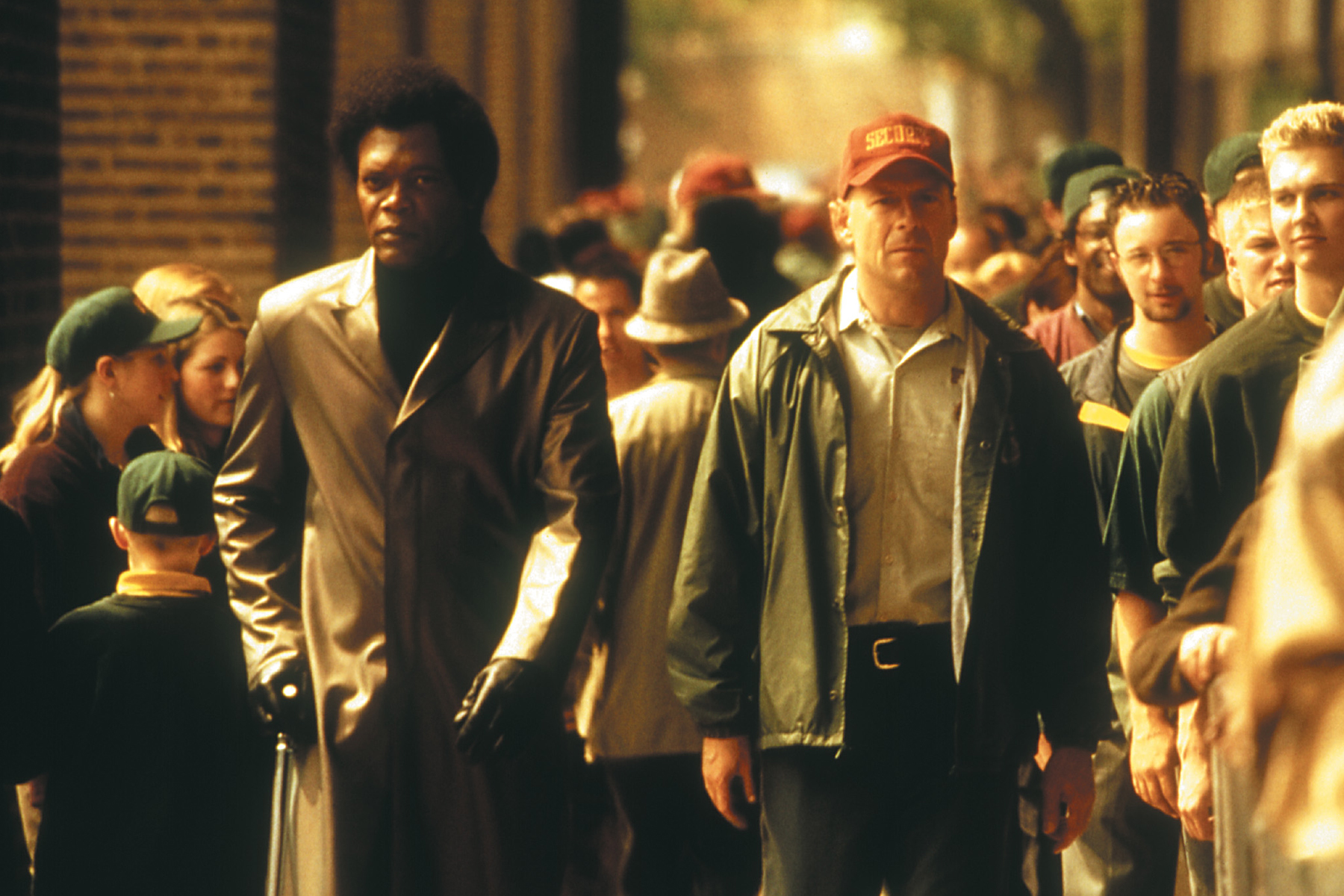
Elijah Price introduces himself as a man who has spent his entire life breaking bones, and Jackson plays that history in every careful movement, every deliberate gesture, every long pause before he speaks. M. Night Shyamalan’s film asks Jackson to carry a slow-burn mystery almost entirely through implication, and he does it by making Elijah feel like someone who has been thinking about this conversation for years. The reveal at the end of the film recontextualizes everything Elijah has said and done, and what’s remarkable is how completely Jackson has been hiding the truth in plain sight. Unbreakable’s reputation has grown significantly over the decades since its release, and a big part of that reassessment is recognizing how precisely calibrated this performance really is.
6. The Hateful Eight (2015)
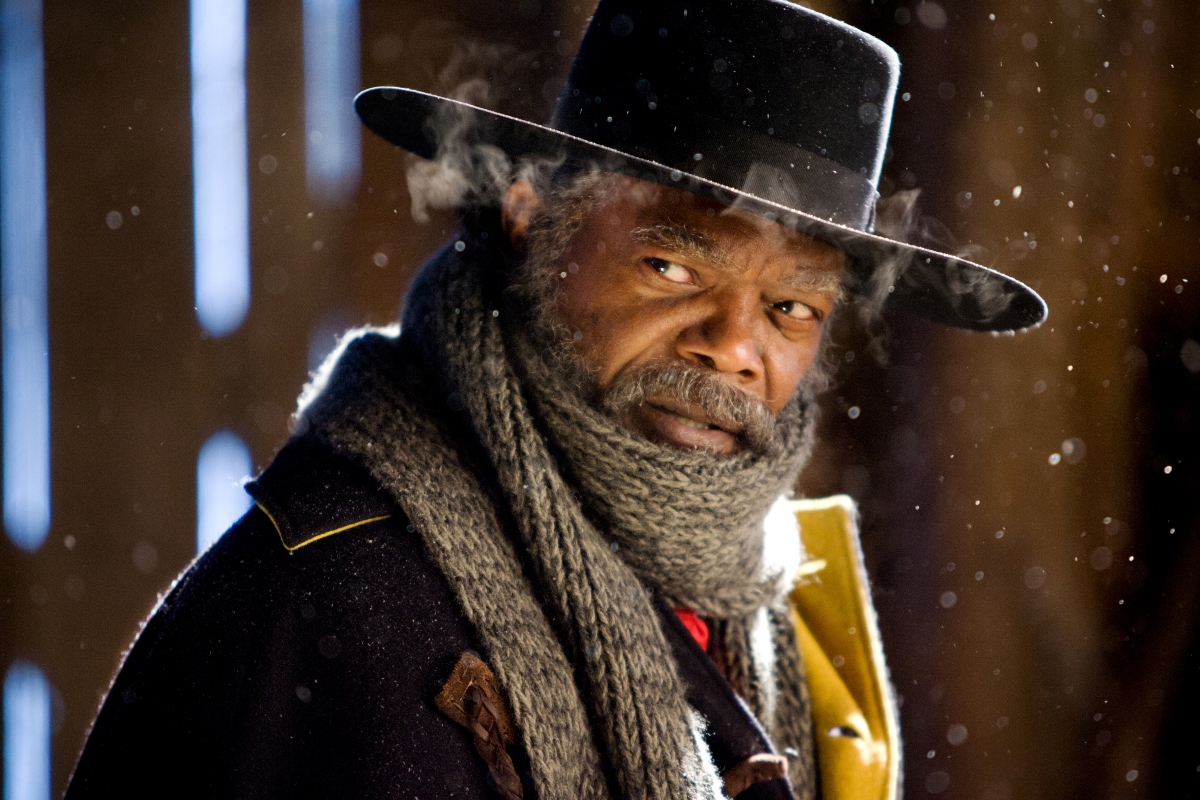
Major Marquis Warren arrives at Minnie’s Haberdashery already knowing he’s the most dangerous man in the room, and Jackson plays that awareness with a coiled, watchful intelligence that turns every scene into a chess match. Quentin Tarantino’s snowbound chamber piece gives Warren an extended monologue designed to provoke Confederate General Smithers into drawing his weapon, and Jackson delivers it with an unflinching, almost clinical precision that ranks it among the most audacious sequences in Tarantino’s filmography. What’s impressive across the film’s nearly three-hour runtime is how Jackson modulates Warren’s authority, sometimes dominant, sometimes calculating, always projecting control even when the room is actively trying to kill him. When Warren ends up chained to a dying man in the final act, that physical helplessness reframes everything Jackson played as dominance earlier — it turns out the control was always performance, and the performance was always survival.
5. Jungle Fever (1991)
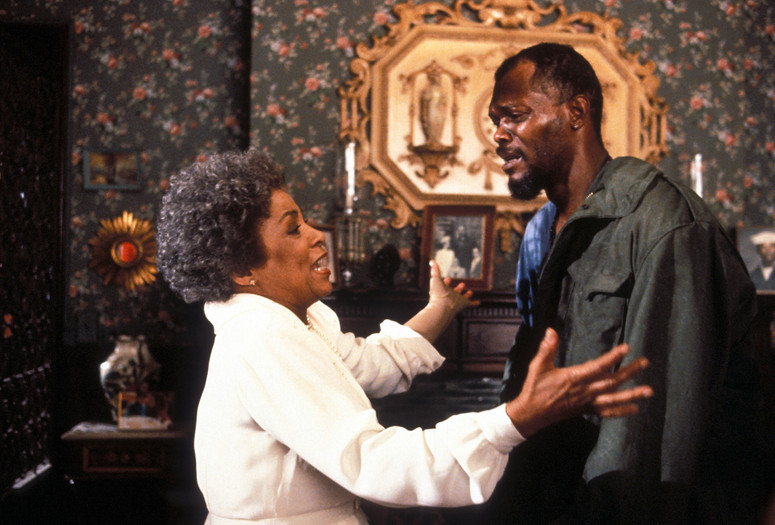
Gator Purify is not the lead of Spike Lee’s film, but Jackson’s performance as a crack addict begging his way through his family’s patience is so raw and so physically committed that it overtook the entire movie in the cultural conversation. The scene where Gator pleads with his mother for drug money, Jackson on his knees, fingers clutching at her housedress while his voice cracks mid-sentence, is one of the most harrowing moments in 1990s American cinema. Cannes honored the performance with a special prize, a gesture that tells you everything about how the jury responded to what Jackson was doing on screen. What lingers is that moment his hands finally go still — the defeat landing harder than any words could.
4. Nick Fury – Marvel Cinematic Universe Franchise (2008–2023)
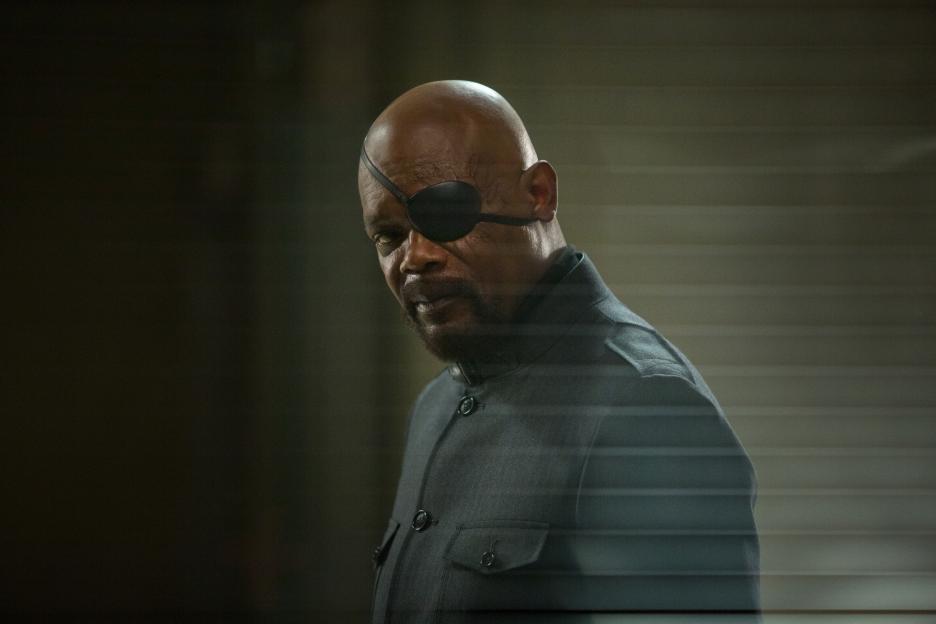
Nick Fury walks into Tony Stark’s mansion at the end of Iron Man, delivers four lines, and somehow Jackson turns it into the most important scene in the film. That’s the trick he pulls off across more than a decade of MCU appearances: making a character who exists primarily to connect other movies feel like someone with genuine weight and history. His best showcase comes in Captain America: The Winter Soldier, where Fury is hunted through Washington, ambushed in his own SUV, and left for dead, and Jackson plays the vulnerability of those scenes against the character’s usual unshakeable authority in a way that sharpens the threat into something real. What no other actor in a comparable connective-tissue role has managed is that specific quality of carrying unseen history into every scene — so that when Fury finally goes quiet, you feel the full cost of whatever he’s not saying.
3. Jackie Brown (1997)
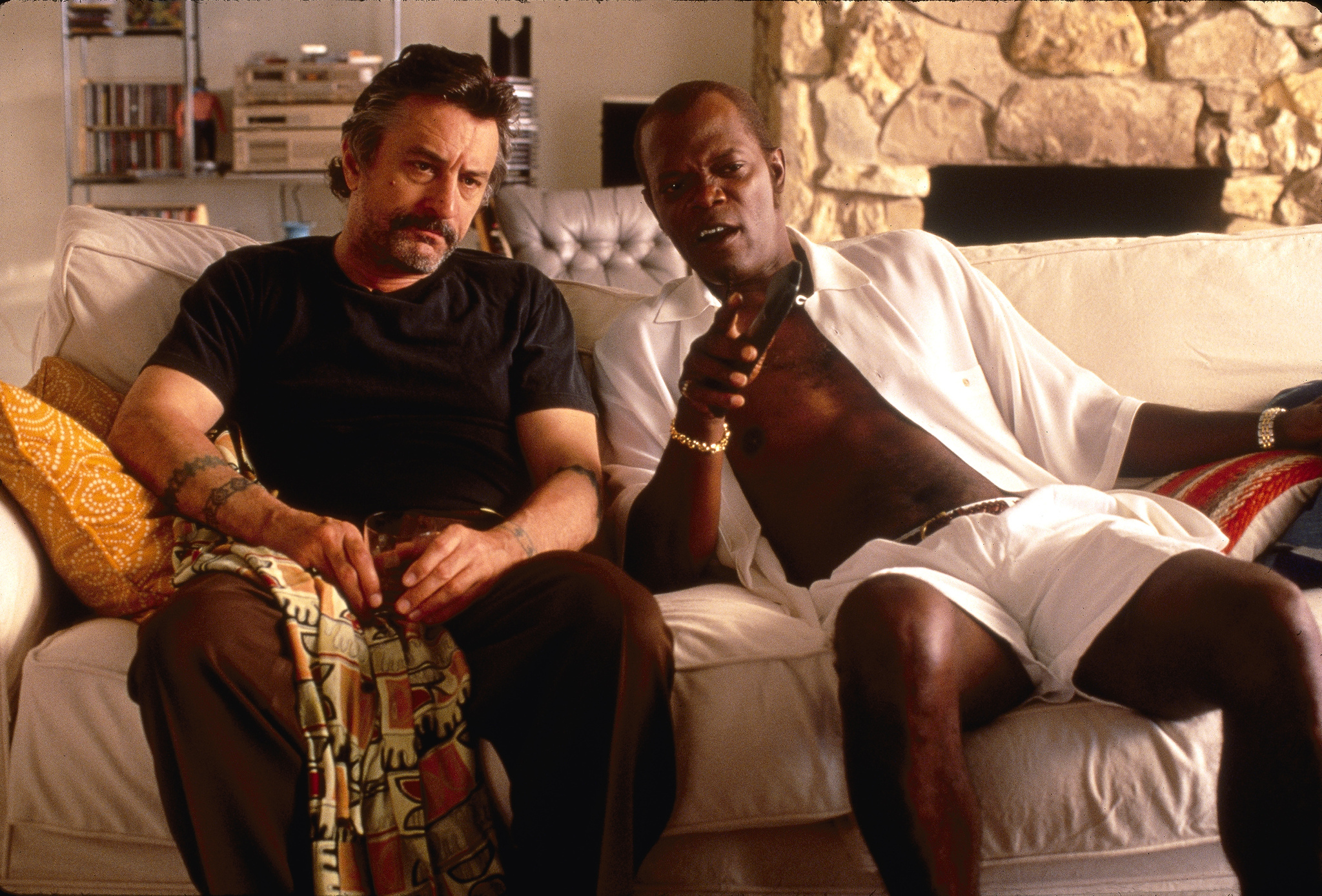
Ordell Robbie is introduced on a sofa watching a gun catalog video with the focused enthusiasm of a man who truly loves his work, and Jackson plays that cheerful menace so naturally that it takes a moment to register how frightening he actually is. Tarantino’s most underappreciated film gives Jackson the rare opportunity to carry a full crime drama as lead antagonist, and he does it by making Ordell disarmingly charming right up until the moment he isn’t. The scene where Ordell strangles Beaumont in a car trunk is chilling precisely because Jackson plays it as a minor inconvenience, a man tidying up a loose end with the same casual energy he brings to everything else. It remains his most seductively dangerous screen creation and one of the best performances he has ever given.
2. Django Unchained (2012)
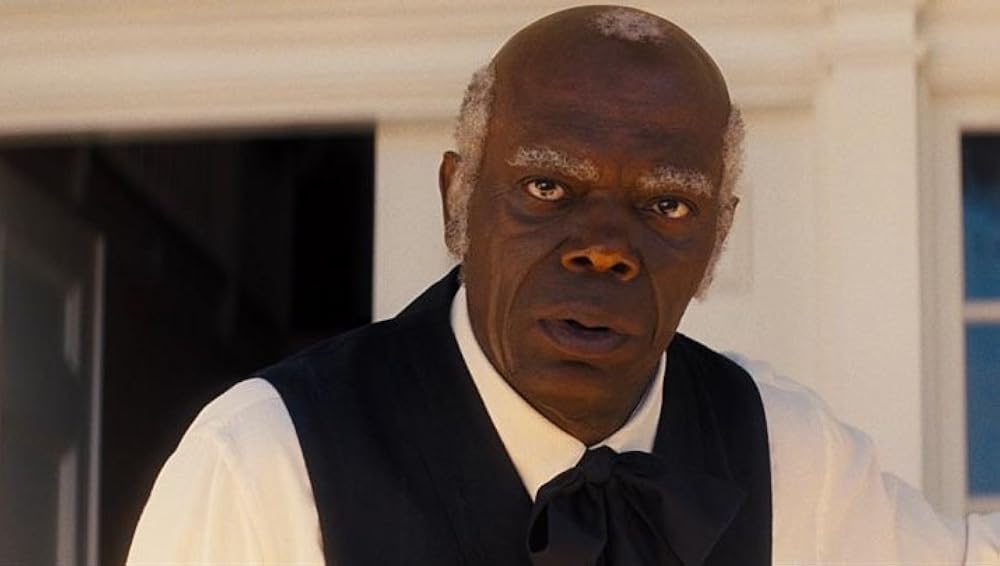
Stephen shuffles into the frame looking like a harmless old man, and it takes Jackson about thirty seconds to make clear that he is the most dangerous person on the Candie plantation. The genius of the performance is how completely Jackson hides Stephen’s intelligence behind servility; watching him drop the act in private with Calvin Candie, suddenly sharp and commanding, lands like a jolt even when you know it’s coming. In a film full of big, operatic performances from Christoph Waltz and Leonardo DiCaprio, Jackson’s slow-burn menace cuts through everything because it’s so precisely controlled. Stephen’s loyalty is rooted in cold calculation rather than subservience, and Jackson ensures the difference registers, which is what makes him so much more unsettling than a straightforward villain would be.
1. Pulp Fiction (1994)
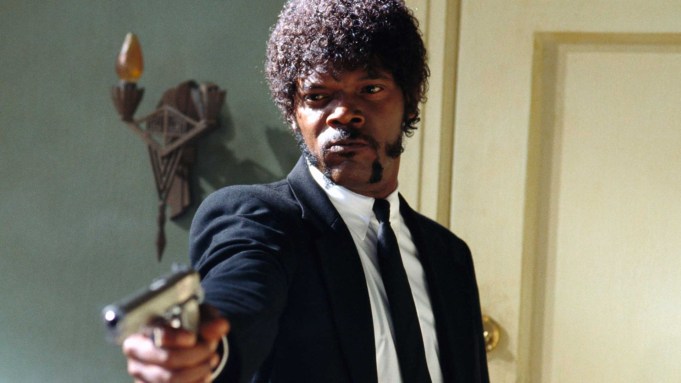
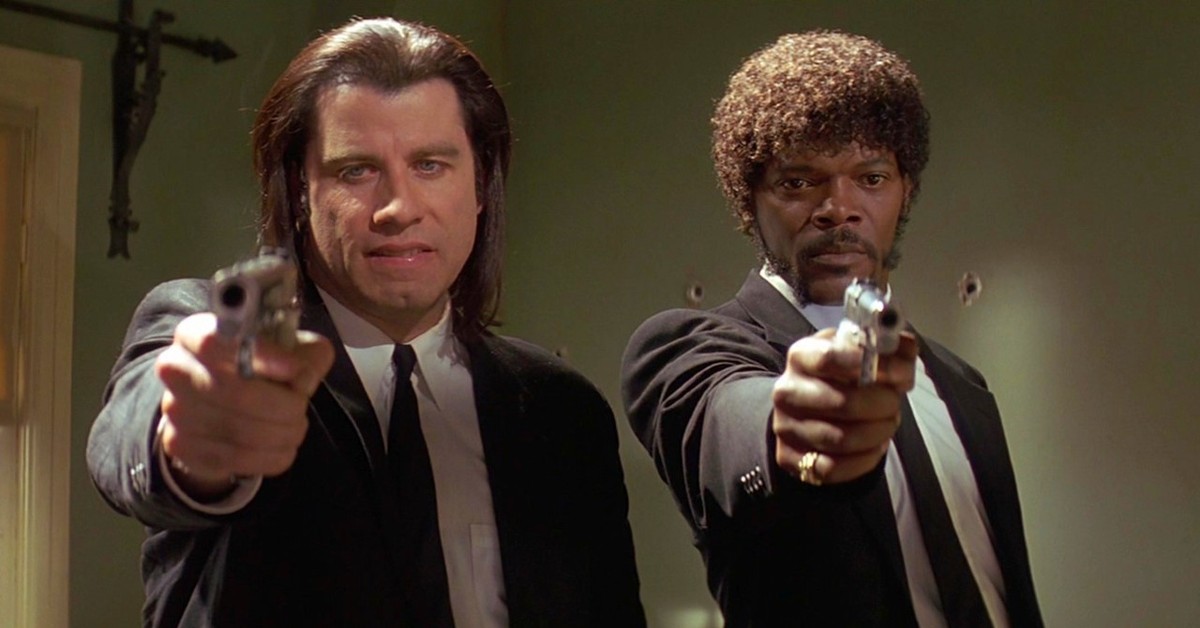
Jules Winnfield recites Ezekiel 25:17 before killing people, and somewhere between 1994 and now that monologue became one of the most quoted pieces of dialogue in American cinema. Jackson plays Jules as a man who has clearly wrestled with the words he’s saying, and that’s what separates the performance from simple intimidation theater; there’s a real philosophical journey happening inside Jules across the film’s non-linear structure, from the opening diner scene to the moment he decides to “walk the earth.” Jules is funny, terrifying, oddly moving, and completely alive in a way very few characters from that era still are. Thirty years later, people still do the voice, still quote the speech, still argue about what Jules actually believes. That kind of staying power belongs to the performance as much as the writing.
Samuel L. Jackson’s career is almost impossible to summarize given its genuine range, from Cannes prize-winners to the highest-grossing franchise in history, with cult oddities and crowd-pleasing sports dramas filling the gaps. Worth noting: the Nick Fury role predates the MCU entirely, with David Hasselhoff playing the part in a 1998 TV movie nearly a decade before Iron Man. The through-line is a performer who never seems to be coasting, even when the material doesn’t deserve him.

Written by Miranda Davies
Film & TV Enthusiast
Hi, my name is Miranda Davies, and I’ve loved film and television all of my life. Some of my earliest memories involve me and family or friends catching the latest movies, or reclining on the couch to catch some awesome television, and I want to share that passion with fellow fans like you! The best way to celebrate film and television is to chat about it with people as equally passionate as you, so this website will be dedicated to being a hub for those that want to chat about their obsessions in a safe and welcoming environment that is fun to visit!
More about the author