
Top 15 Ryan Gosling Movies, Ranked
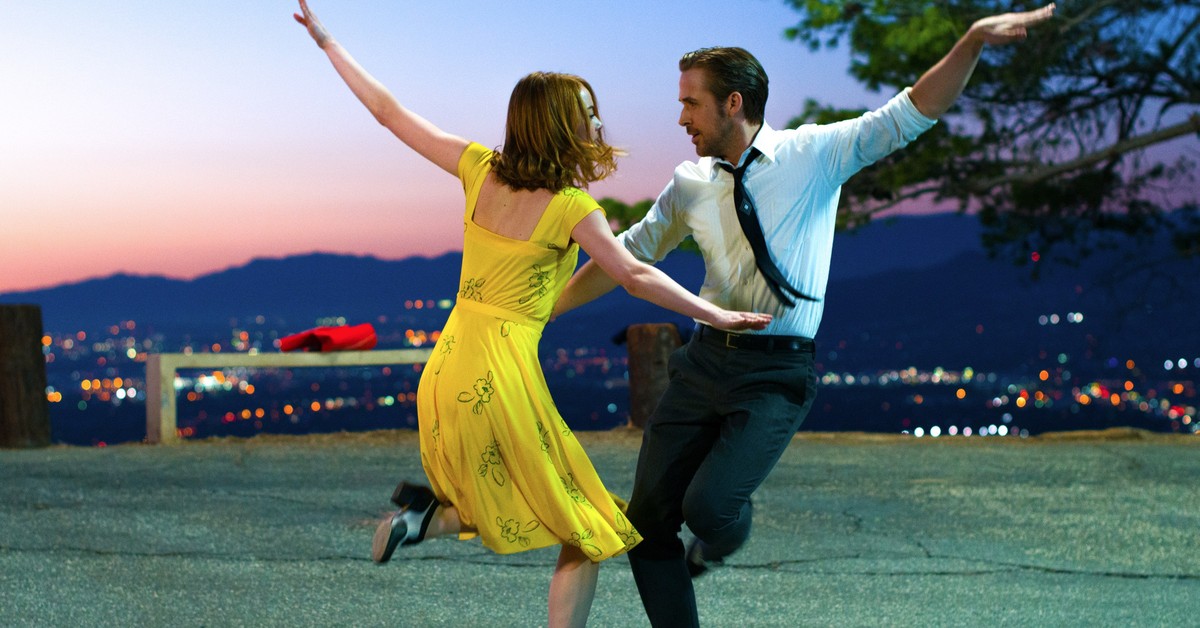
There’s a version of Ryan Gosling who took the easy path after The Notebook made him a heartthrob and just coasted on romantic leads for the next decade. That guy doesn’t exist. Instead, Gosling kept picking roles that were weird, risky, or genuinely uncomfortable — a crack-addicted teacher, a near-silent getaway driver, a plastic toy who sings about horses — and somehow made every single one of them land. At TV Hulk, we ranked these performances by how much they stuck with us long after the credits rolled: the moments that felt completely real, the characters we couldn’t stop thinking about, and the choices only he would have made.
15. The Fall Guy (2024)
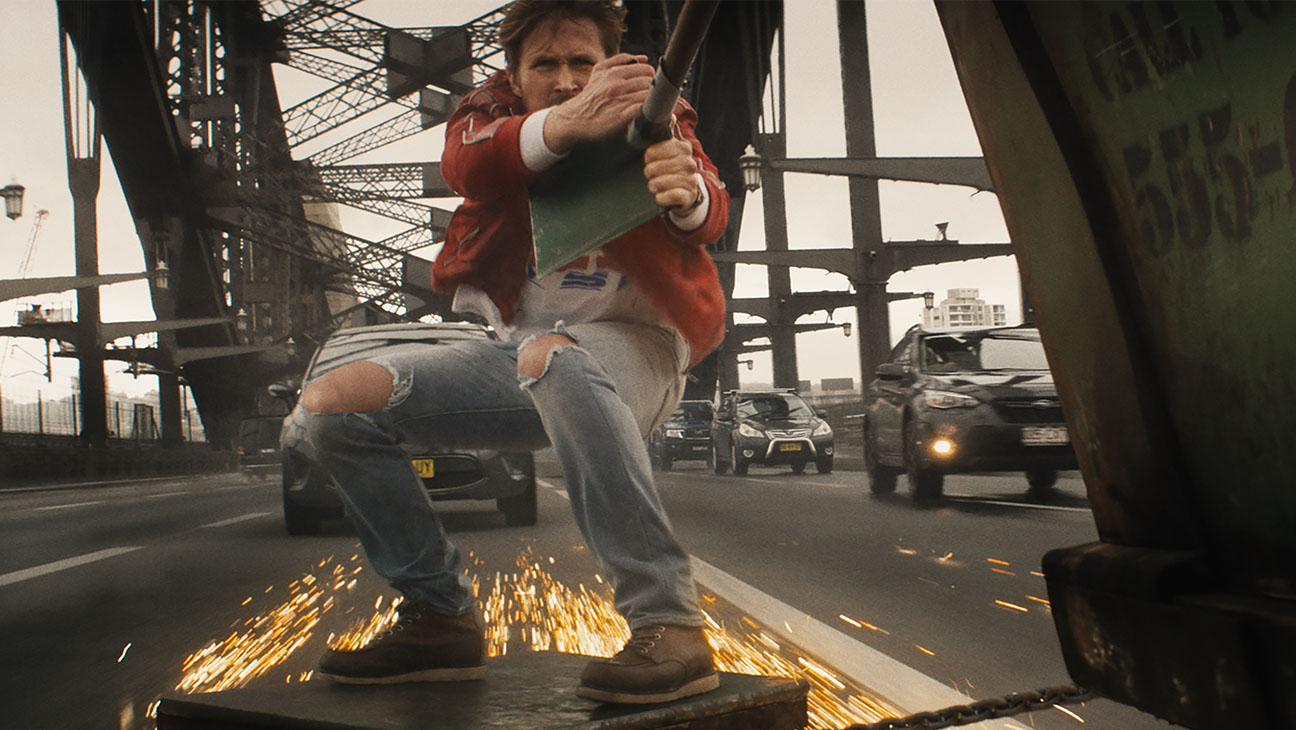
Colt Seavers is a guy who gets set on fire, thrown through windows, and launched off buildings for a living, and Gosling plays him with the kind of battered, puppy-dog sincerity that makes you root for him immediately. The physical commitment here is real; he sells every bruise and stumble, but what makes Colt work is the vulnerability underneath all the action-hero packaging. His scenes with Emily Blunt crackle with genuine chemistry, and there’s a running joke about his character’s emotional unavailability that Gosling milks for every laugh it’s worth. The film didn’t connect with audiences the way it deserved to, but as a showcase for how naturally he moves between action, comedy, and charm, it’s a thoroughly good time.
14. Crazy, Stupid, Love. (2011)
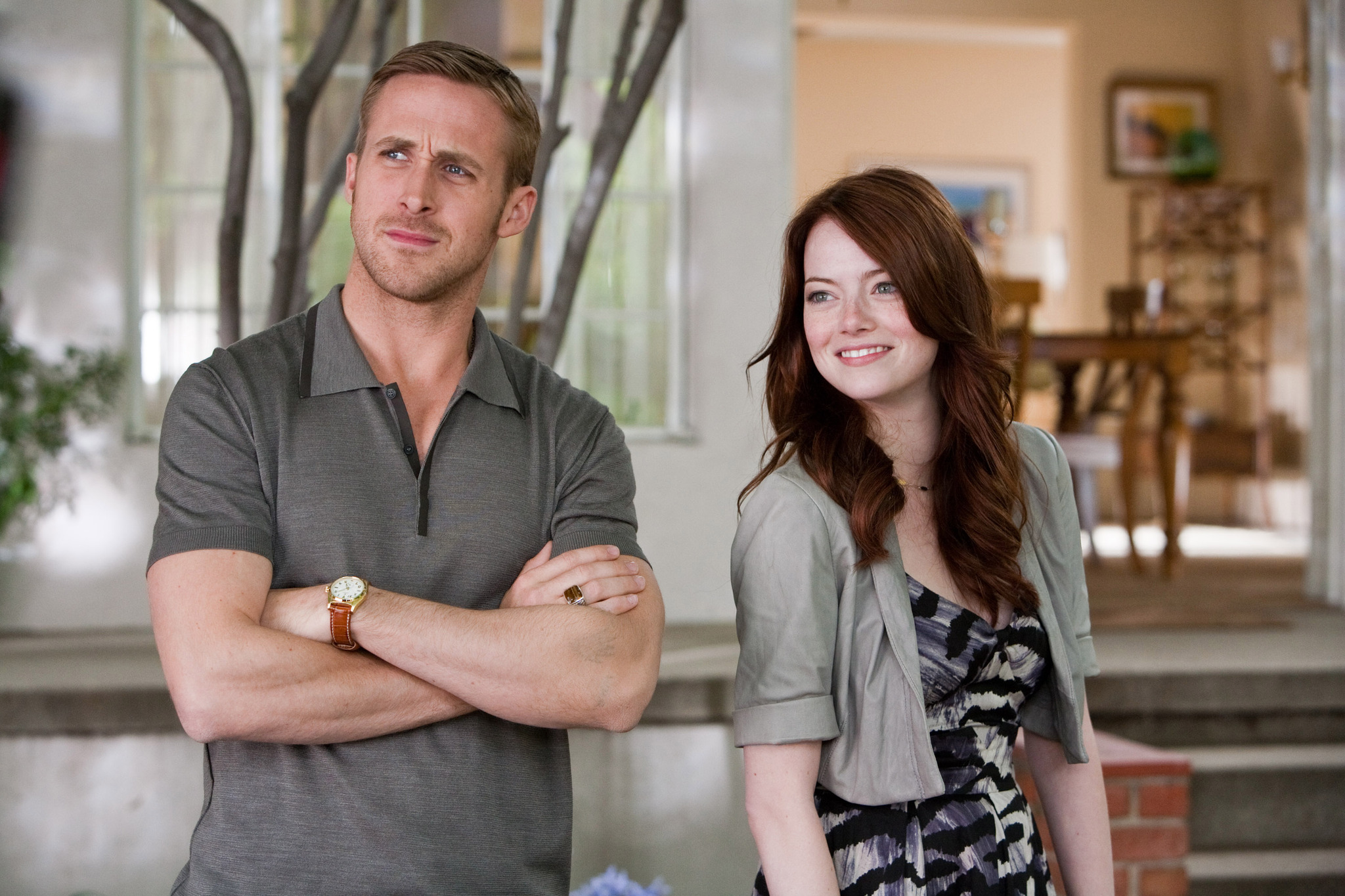
Jacob Palmer walks into the movie as a pickup artist archetype, all tailored suits and rehearsed lines, and Gosling plays the surface confidence so well that the moment the mask slips actually catches you off guard. The famous abs-reveal scene became a meme almost instantly, but the funnier, more interesting work happens later, when Jacob starts fumbling over his words around Hannah (Emma Stone), and you can see the smooth operator completely short-circuit in real time. He’s surprisingly funny here in a way that felt new for him at the time, leaning into the comedy without winking at the audience. Watch closely when Hannah calls him out and his composure just dissolves — the timing of that beat is perfect, and it’s what makes Jacob feel like an actual person rather than a punchline.
13. First Man (2018)
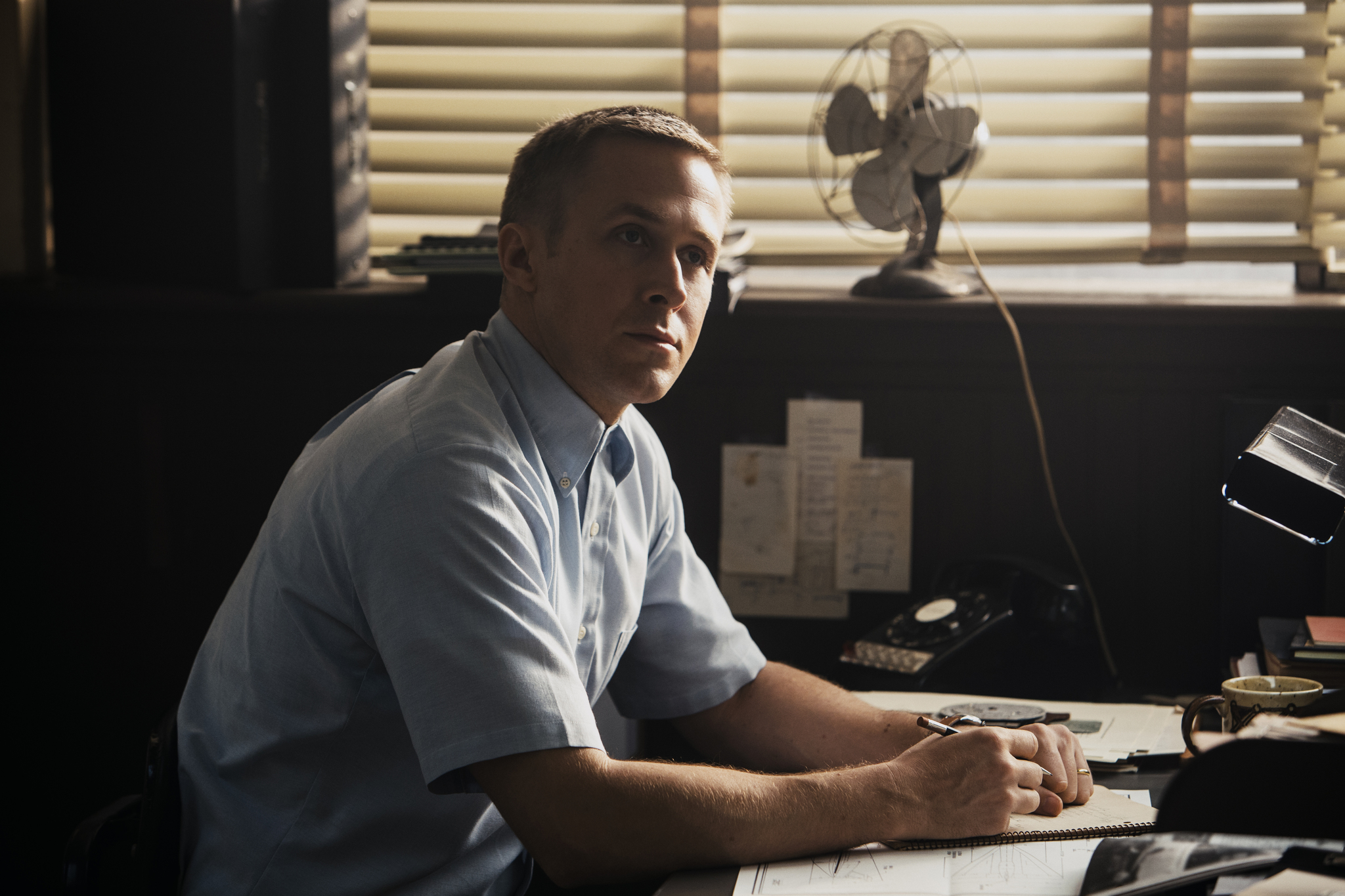
Neil Armstrong is one of the most mythologized figures in American history, and Gosling’s approach to playing him is to strip all the mythology away. This version of Armstrong is a man sealed off from his own grief after the death of his daughter, moving through the space program almost on autopilot. Gosling communicates that interior numbness through the smallest possible gestures: a jaw that tightens instead of a voice that breaks, eyes that go somewhere else in the middle of a conversation. The moon landing sequence, shot from inside the helmet rather than with sweeping grandeur, reflects exactly how he plays the whole film: close, quiet, and private. It’s a performance that rewards patience, even if it didn’t get the wider attention it deserved.
12. The Believer (2001)
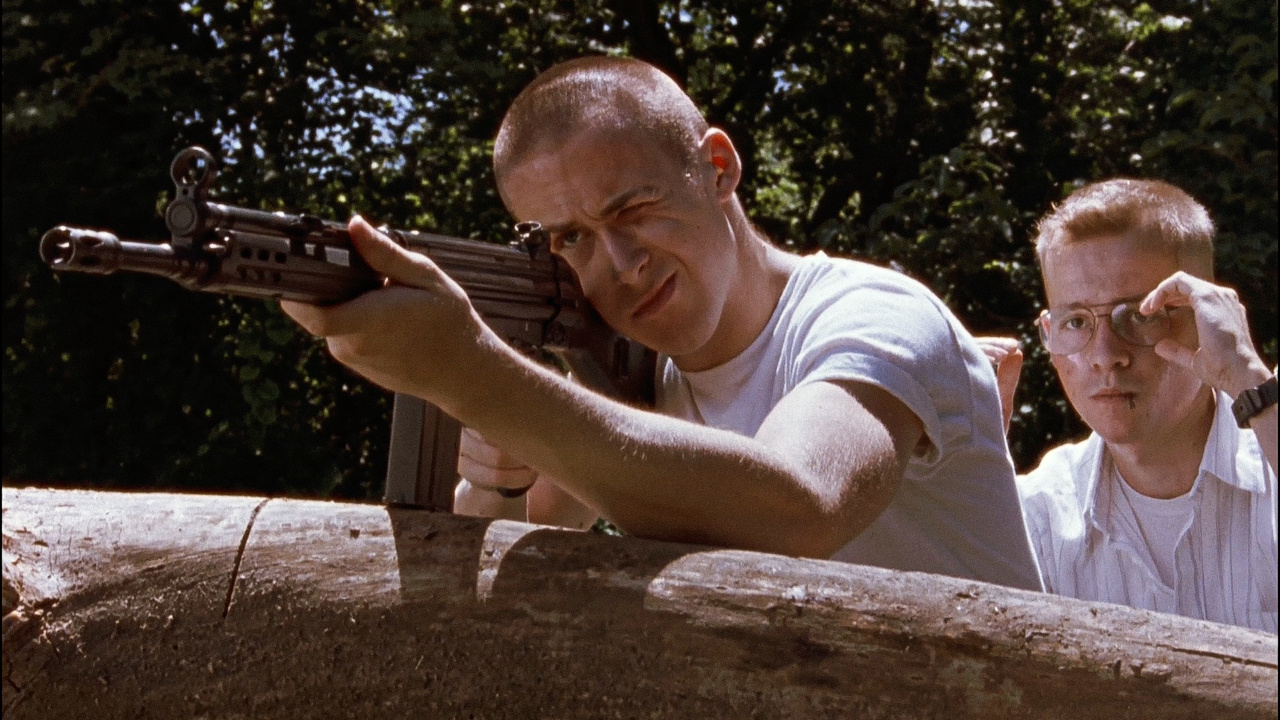
Danny Balint is a Jewish man who has become a neo-Nazi, and Gosling was in his early twenties when he played him. What’s remarkable isn’t just the ferocity he brings to the role but the intellectual coherence. Danny isn’t a cartoon villain; he’s someone whose self-hatred has curdled into a twisted ideology, and Gosling makes you follow that logic even as it horrifies you. There’s a scene where Danny handles a Torah scroll with something that looks almost like reverence before catching himself, and in that flicker of a moment you see the whole tragedy of the character. The film was a sensation at the Sundance Film Festival, and it announced, loudly, that this was not a normal young actor finding his footing.
11. The Big Short (2015)
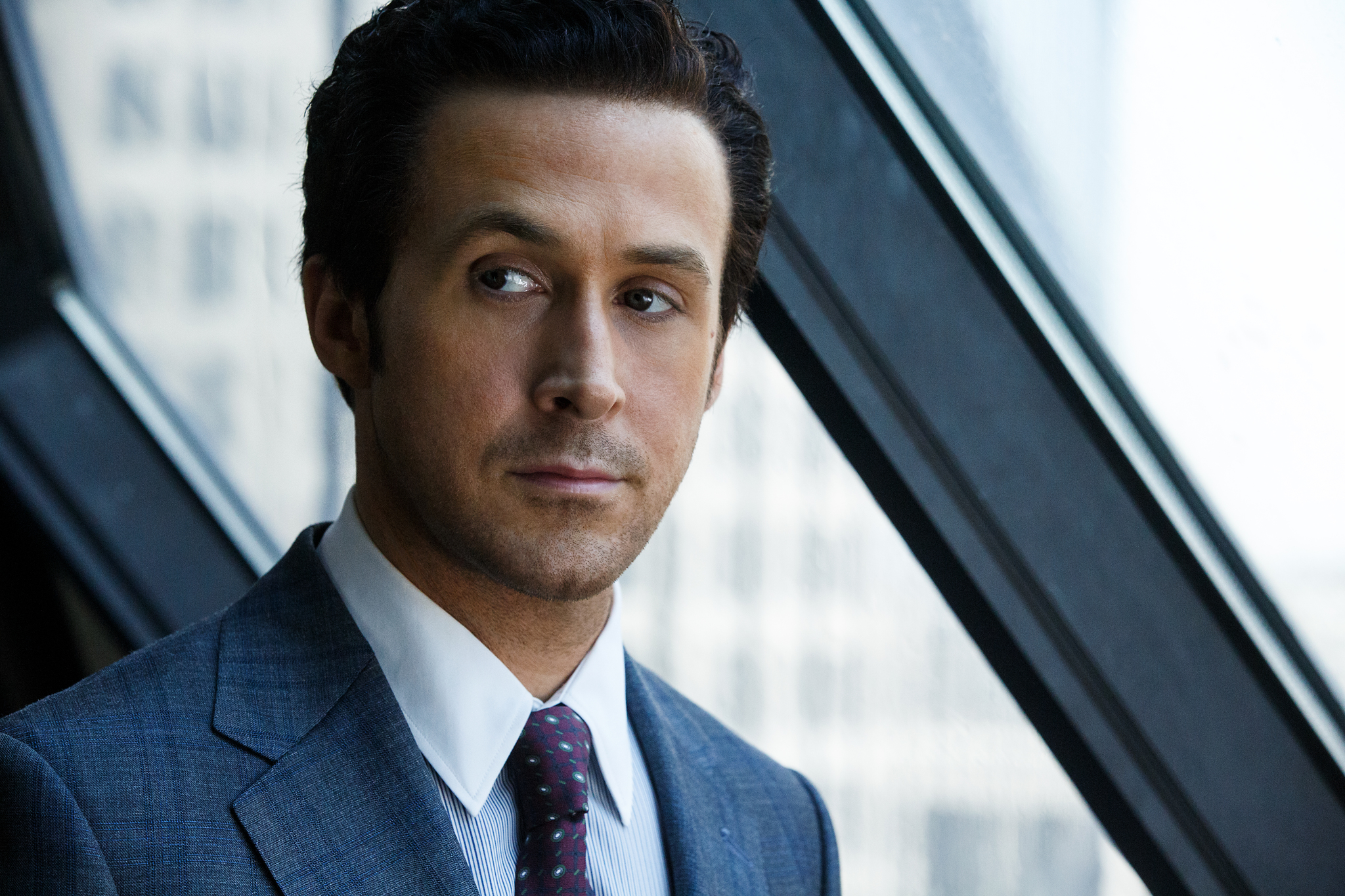
Jared Vennett is the movie’s narrator, its guide, and its most openly shameless character, and Gosling plays him with a smug, slicked-back energy that somehow makes him the most watchable person in a film full of great performances. The fourth-wall breaks are where he really shines, turning to the camera with the practiced ease of a guy who has explained collateralized debt obligations at a hundred cocktail parties and clearly relishes watching people’s faces when they realize how bad it is. He makes Margot Robbie in a bubble bath explaining mortgage-backed securities feel like a completely natural choice. Vennett is the connective tissue holding an enormously complex story together, and Gosling keeps it moving with a calibrated, almost musical sense of comic timing.
10. Lars and the Real Girl (2007)
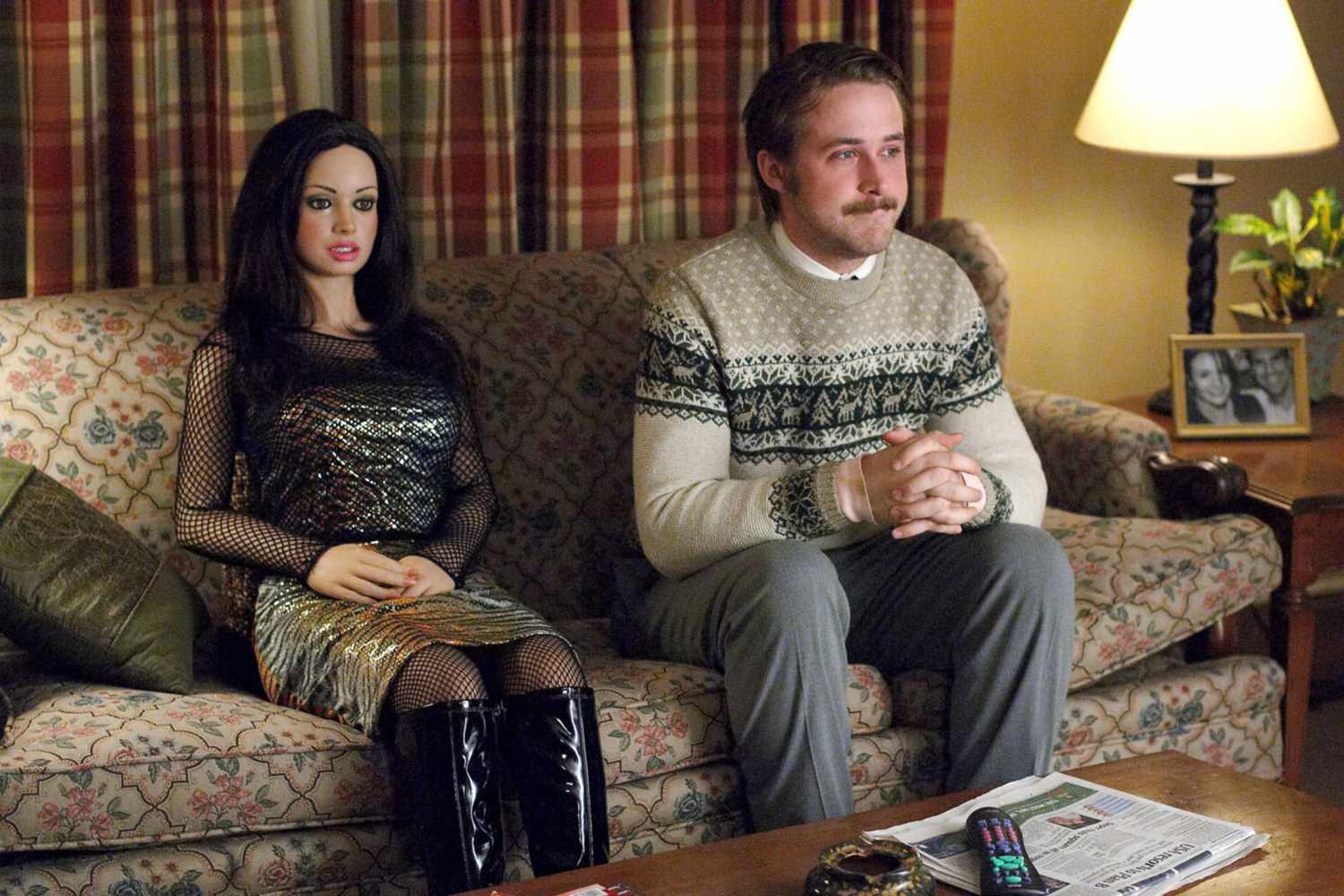
The premise sounds like a setup for a mean-spirited comedy: a painfully shy man in a small Wisconsin town begins a relationship with a life-size doll he ordered online and introduces her to his family as his girlfriend. Gosling plays Lars Lindstrom with such complete sincerity that the joke never arrives. There’s a scene early on where Lars introduces Bianca at a family dinner, and the way he speaks about her, carefully, hopefully, watching for people’s reactions, makes the whole room feel like it’s holding its breath. He earned a Golden Globe nomination for the role, and it’s easy to see why: there’s an extraordinary gentleness in how he protects Lars from becoming a figure of ridicule, turning what could have been a gimmick into something that lands with real emotional weight.
9. The Place Beyond the Pines (2012)
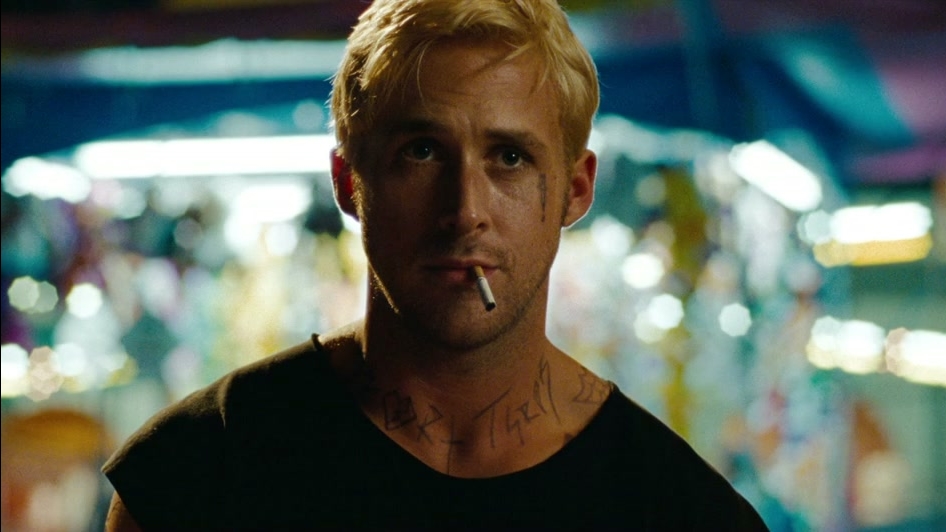
Luke Glanton disappears from the film before the halfway point, and his absence hangs over everything that follows. Gosling plays him as a carnival motorcycle stuntman who turns to robbing banks to support a son he just found out he has, and the performance is all coiled, restless energy: the way Luke moves through a room like he’s always looking for the exit, the tattoos crawling up his neck, the quiet desperation underneath the reckless bravado. The bank robbery sequences are shot from inside the getaway car with Gosling’s face doing most of the work. They’re tense in a way that has nothing to do with the action and everything to do with watching a man who knows he’s running out of road.
8. Blue Valentine (2010)
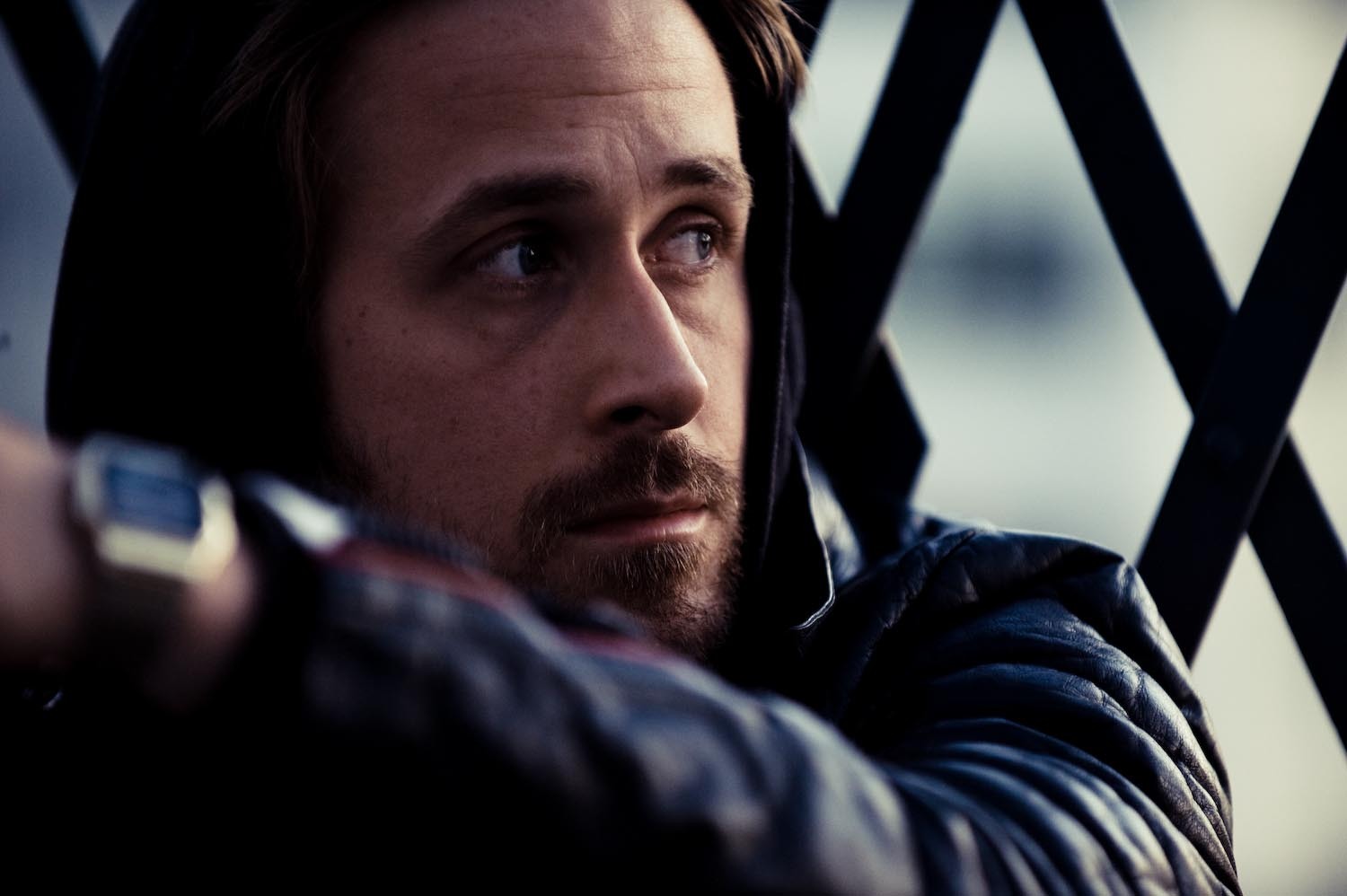
Dean Pereira is the kind of romantic lead who starts the movie as everything you’d want and ends it as someone you’re not sure you can forgive, and Gosling plays both versions with equal conviction. He and Michelle Williams reportedly improvised large stretches of the film, and you can feel it in the way their scenes breathe, particularly a late-night argument in a cheap motel room that escalates with the horrible, specific logic of a fight that has been building for years. The film cuts between Dean falling in love and Dean falling apart, and Gosling makes both timelines feel completely true. His nomination for Best Actor in a Drama at the Golden Globes was well-earned, but the performance is rawer and more uncomfortable than any awards citation quite captures.
7. The Nice Guys (2016)
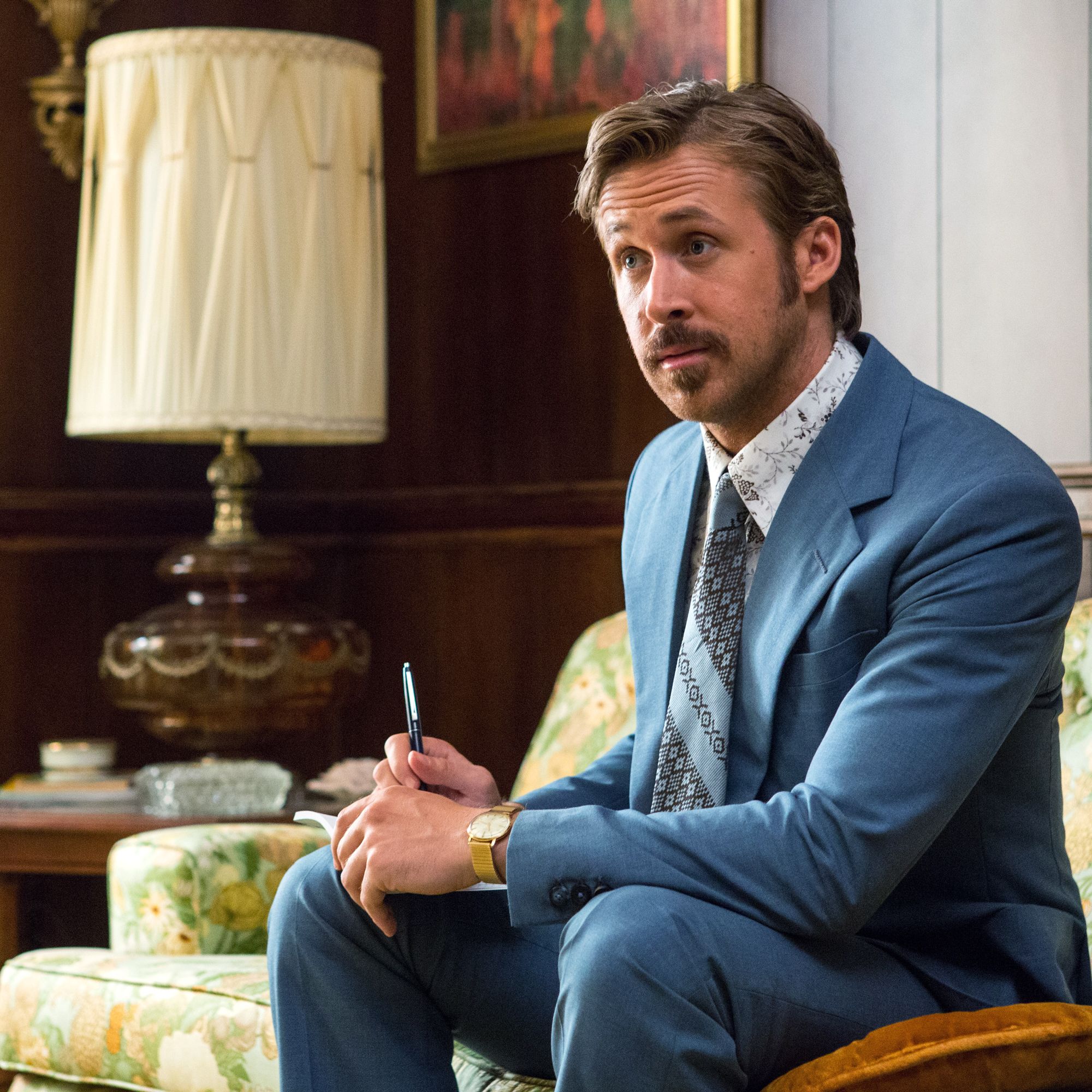
Holland March is a disaster. He’s a bad private detective, a middling father, a man who gets his hand stuck in a bathroom window in the film’s opening scene and has to be rescued by the enforcer who was hired to threaten him. Gosling commits to the incompetence completely; the pratfalls are physical comedy executed with the precision of someone who has clearly studied Buster Keaton, and his high-pitched yelp of panic whenever things go wrong became an instant fan-favorite moment. What makes Holland more than just a clown, though, is the genuine warmth in his scenes with his daughter (Angourie Rice), where the buffoonery drops just enough to reveal someone who actually cares. The film has become a cult classic, and Gosling’s performance is the reason people keep coming back to it.
6. Blade Runner 2049 (2017)
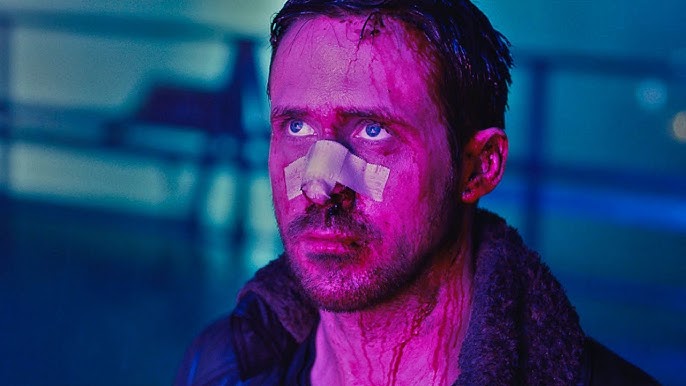
K is a replicant who hunts older replicants, and the central question is whether he has any inner life worth caring about. Gosling answers almost entirely through stillness, carrying the film across nearly three hours on restraint alone: the slight hesitation before he answers a question, the way he watches his holographic companion Joi with something that might be love or might just be programming, the long shot of him sitting in the ruins of flooded Las Vegas that communicates grief without a single word. The film underperformed commercially on release, but its reputation has grown steadily. Much of that reassessment comes down to how deeply Gosling draws you into a character who technically isn’t supposed to feel anything.
5. The Notebook (2004)
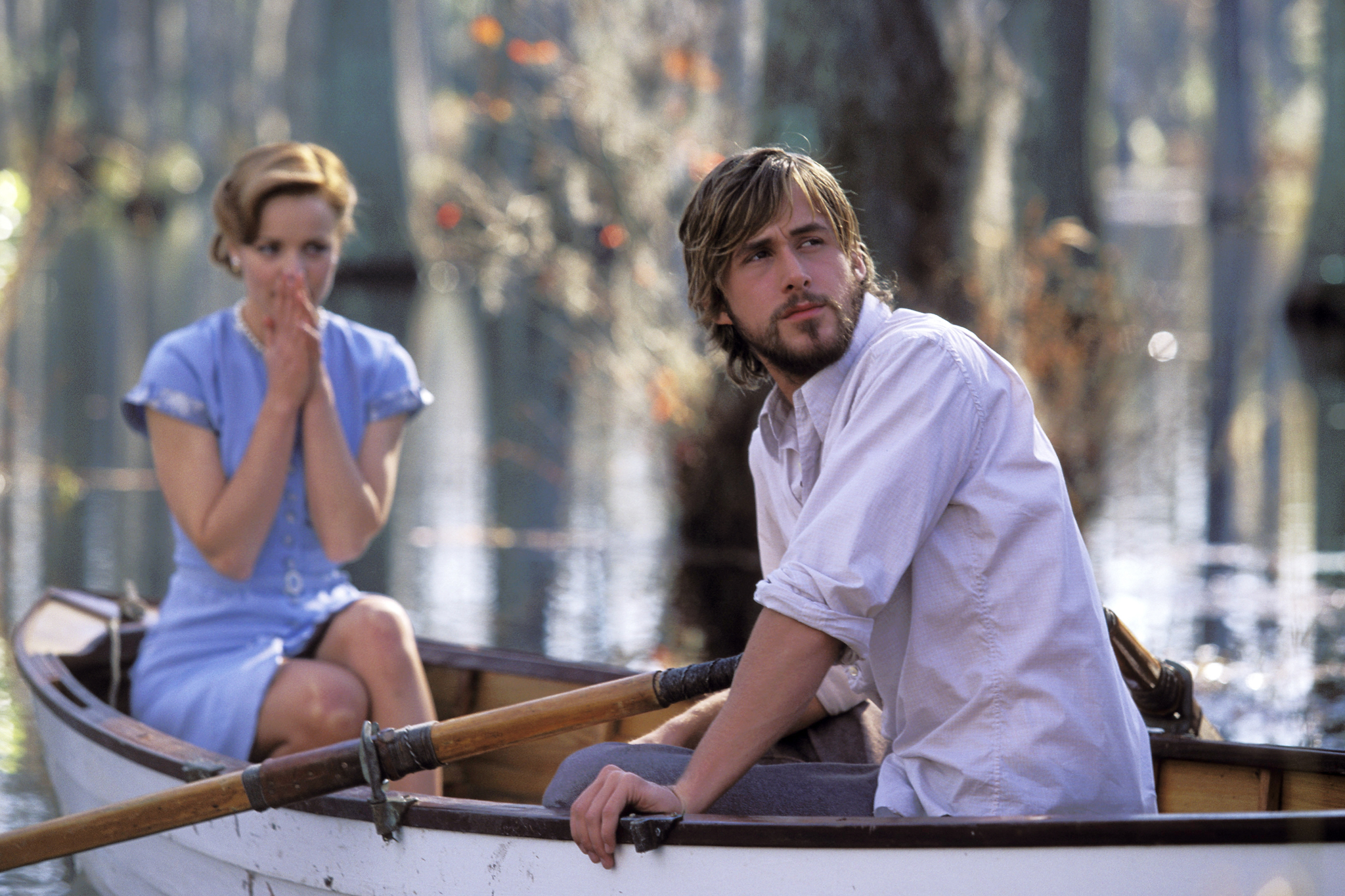
Noah Calhoun is the role that changed everything for Gosling, and two decades later the rain scene still lands. The moment where he and Allie (Rachel McAdams) are standing in the downpour, finally saying what they’ve been circling for the whole film, works because Gosling plays Noah’s desperation as something close to grief. This isn’t a man winning a romantic argument; it’s a man who has been holding something in for years and can’t anymore. The emotional directness he brings to the role is striking. What started as a modest summer release became one of the most beloved romantic films of its generation, and Noah is the reason people still watch it on Valentine’s Day and cry every single time.
4. Half Nelson (2006)
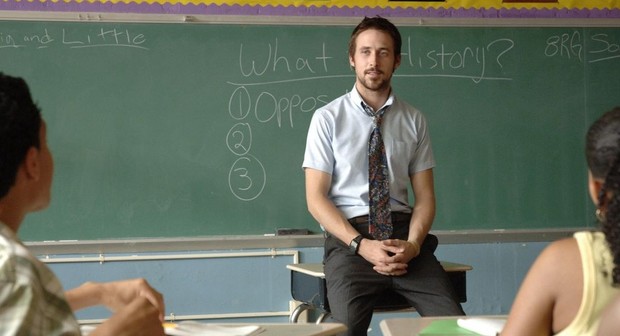
Dan Dunne teaches middle school history by day and smokes crack in school bathroom stalls by night, and Gosling plays him without a single moment of self-pity or actorly signaling. The performance is all in the small things: the way Dan’s idealism in the classroom feels completely genuine even as his personal life is collapsing, the specific quality of his shame when one of his students finds him high on the gym floor, the way he keeps reaching for connection while simultaneously pushing everyone away. Gosling’s first Oscar nomination came entirely from the force of what he did with this role. Dan Dunne feels less like a character being performed and more like a person being observed.
3. Barbie (2023)
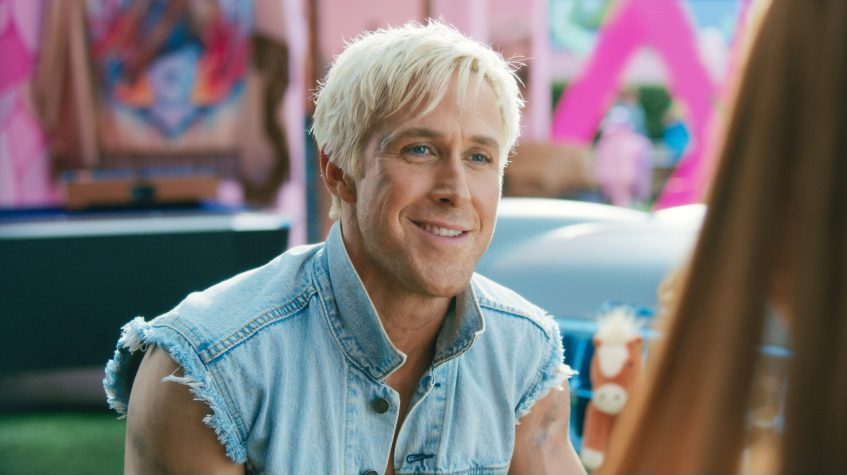
Ken doesn’t know who he is without Barbie noticing him, and Gosling plays that neediness with a straight face so committed it becomes the funniest thing in the movie. The “I’m Just Ken” musical number is the obvious highlight; he throws himself around the stage with the full conviction of a man who has just discovered masculinity and found it deeply confusing, but the quieter moments are just as sharp. There’s a scene where Ken tries to explain patriarchy to the other Kens using only what he half-understood from watching The Godfather, and Gosling delivers it with the absolute confidence of someone who has no idea what they’re talking about. In a film that was already a cultural phenomenon, he became the thing everyone was quoting by Monday morning.
2. Drive (2011)
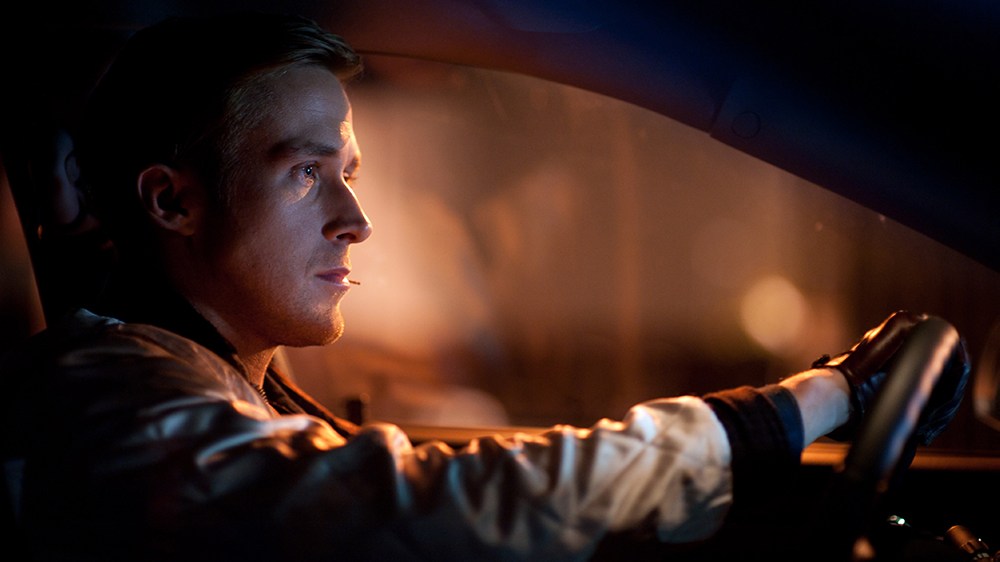
The Driver has no name, almost no dialogue, and a scorpion on the back of his jacket, and Gosling makes him the most magnetic screen presence of that entire era. The performance is built on negative space: what he doesn’t say, what he doesn’t do, the long pauses where another actor would fill the silence. There’s a scene in an elevator where he kisses Irene (Carey Mulligan) and then, in the same fluid motion, turns and beats a man to death, and the switch is so sudden and complete that it reframes everything you thought you understood about him. The scorpion jacket, the toothpick, the half-smile that never quite arrives: every choice feels deliberate and specific, and the result is an archetype that filmmakers and actors have been chasing ever since.
1. La La Land (2016)
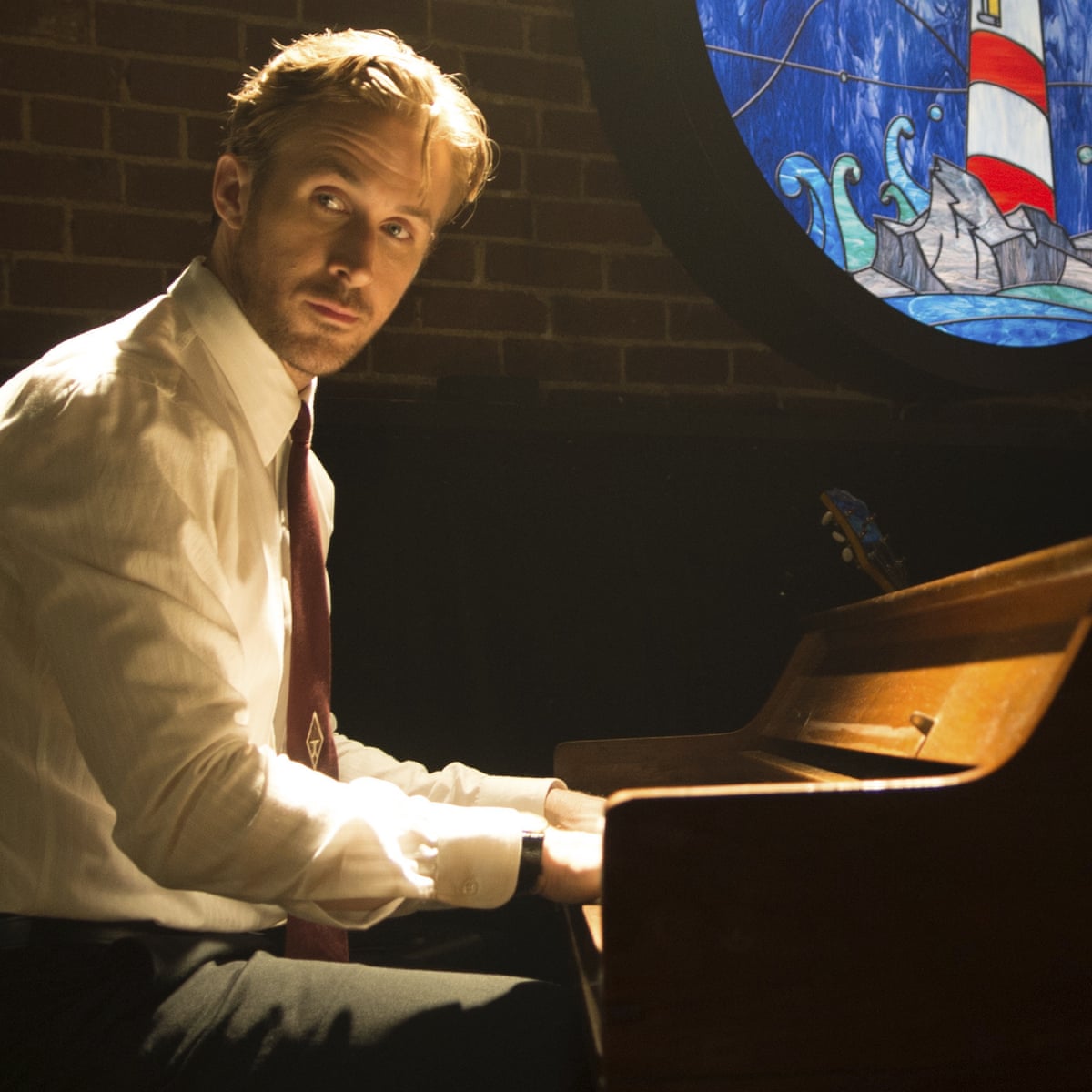
Sebastian Wilder is a jazz purist who can’t stop lecturing people about music he loves and can’t figure out how to love a person the same way, and Gosling plays him with a warmth and frustrating stubbornness that renders the character completely real. His chemistry with Emma Stone is the engine that makes the whole film run. The epilogue, where Sebastian plays through an imagined version of the life they didn’t have while Mia watches from across the room, lands so hard because Gosling has spent the entire film making you believe this relationship was worth grieving. Funny and romantic and sad in the same breath, sometimes in the same scene, it’s the performance where every side of what he can do showed up at once.
Gosling’s career is a long argument against typecasting, and the range across these 15 films makes that case better than any summary could. Worth noting for the completists: before any of this, he was playing the lead in the syndicated series Young Hercules, which is as different from Drive as it’s possible to get. Maybe that early experience of inhabiting a full-blown mythological hero is part of why he’s never seemed intimidated by the size of a role.

Written by Miranda Davies
Film & TV Enthusiast
Hi, my name is Miranda Davies, and I’ve loved film and television all of my life. Some of my earliest memories involve me and family or friends catching the latest movies, or reclining on the couch to catch some awesome television, and I want to share that passion with fellow fans like you! The best way to celebrate film and television is to chat about it with people as equally passionate as you, so this website will be dedicated to being a hub for those that want to chat about their obsessions in a safe and welcoming environment that is fun to visit!
More about the author