
Top 15 Johnny Depp Movies, Ranked

There’s a moment in Pirates of the Caribbean: The Curse of the Black Pearl where Captain Jack Sparrow first staggers onto screen, standing atop a sinking mast, and you can feel an entire audience collectively think: what is this guy doing? That question, delighted, baffled, and completely hooked, is the Johnny Depp experience in a nutshell. At TV Hulk, we ranked these performances by how completely he disappears into a role, how much a specific character stays with you long after the credits roll, and whether the film would be half as interesting without him in it. Fifteen roles. One very strange, very singular career.
15. Once Upon a Time in Mexico (2003)
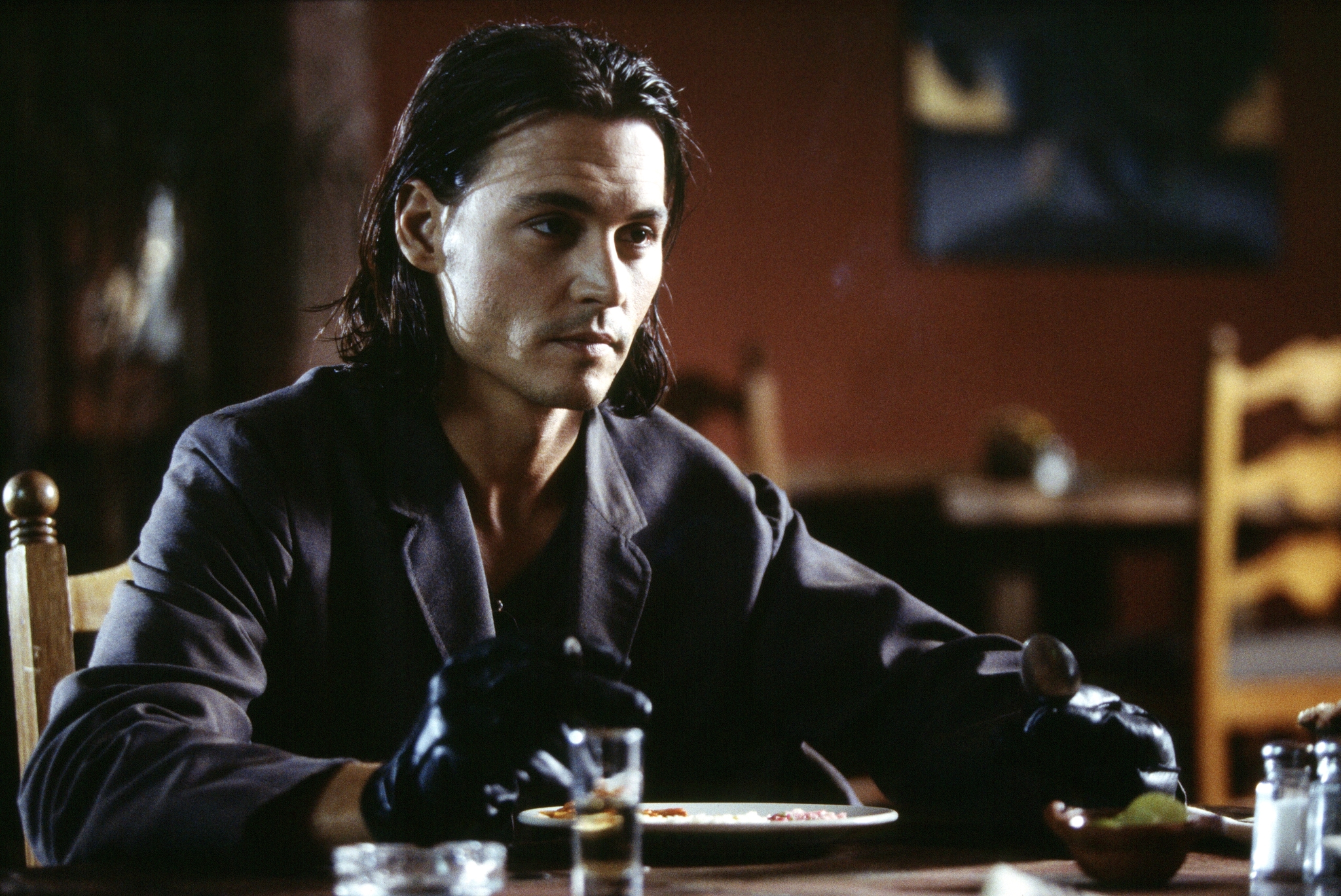
CIA agent Sheldon Sands is technically a supporting character in Robert Rodriguez’s chaotic action sequel, but Depp makes him impossible to ignore. Sunglasses, Hawaiian shirt, and a moral compass that points nowhere useful, Sands wanders through the film on his own frequency entirely. The moment he casually orders a brutal hit on an adversary while finishing his meal, barely pausing between bites, is the kind of left-field character choice that shouldn’t work but absolutely does. Depp is playing pure anarchic energy here, and even though the film around him is a mess, Sands is so vividly drawn that he’s basically the only thing anyone quotes from this movie twenty years later.
14. Charlie and the Chocolate Factory (2005)
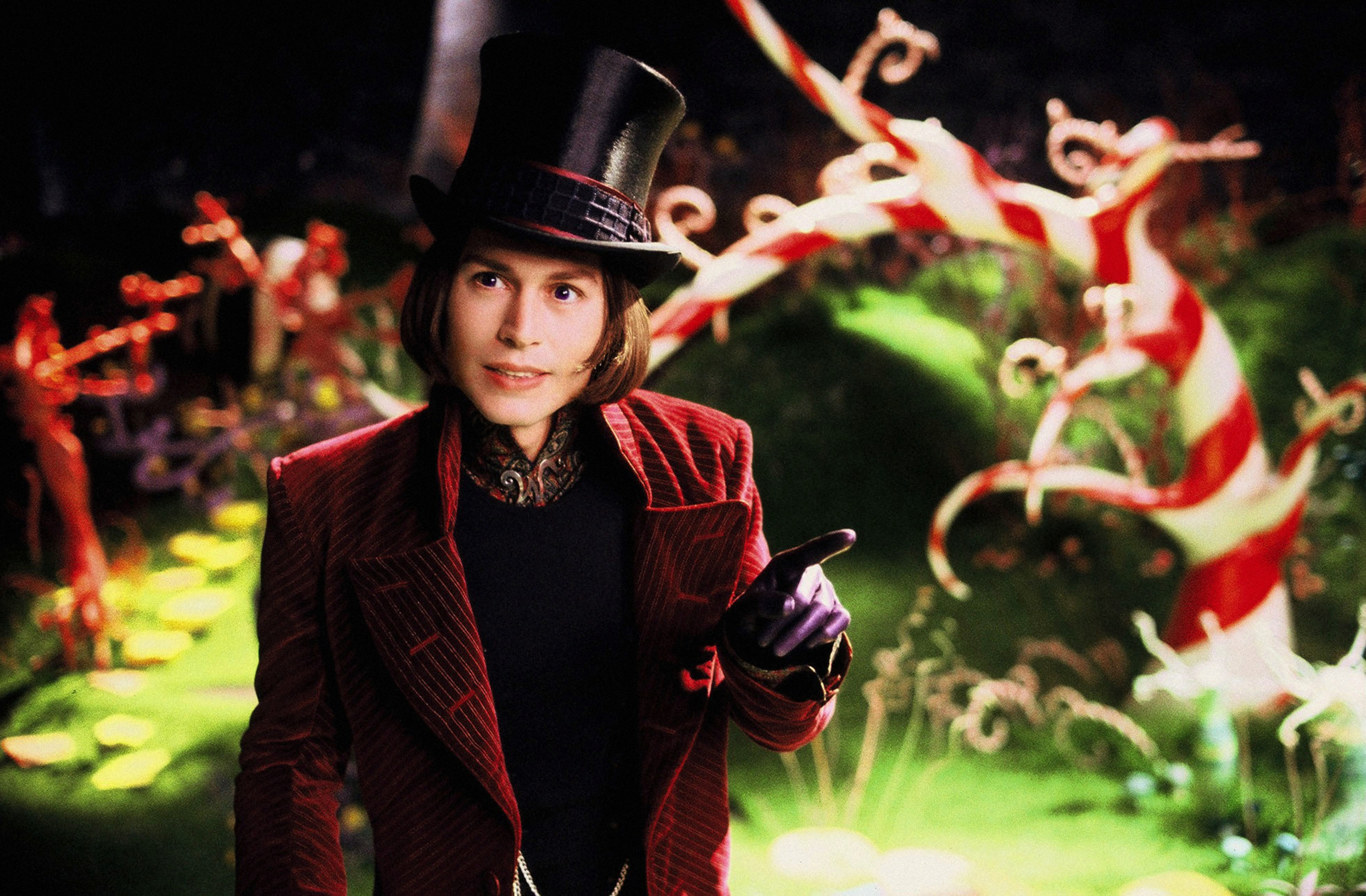
Willy Wonka, as Depp plays him, is pasty, disconnected, and vaguely unsettling in a way that has nothing to do with Gene Wilder’s warmth and everything to do with a man who genuinely seems to have grown up without human contact. The flashback sequences revealing Wonka’s fractured relationship with his father give the character an emotional anchor that Depp leans into hard, particularly in the scenes where his pained reactions to any mention of family make it feel like the whole subject physically wounds him. It divided audiences who wanted something closer to the 1971 version, and that’s fair. But as a committed eccentric creation built from scratch, it’s a bolder swing than it gets credit for, and the film became a massive global hit on the back of it.
13. Dead Man (1995)
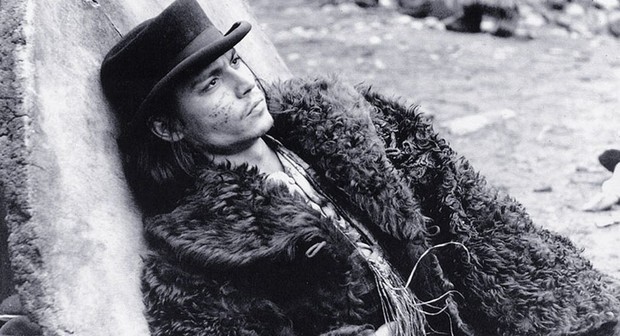
William Blake arrives in the West as a mild-mannered accountant and leaves it as something closer to a ghost, and Depp tracks that transformation with a passive, haunted stillness that suits Jim Jarmusch’s hypnotic black-and-white vision perfectly. There’s a scene early in the film where Blake sits in a train car as the passengers around him grow progressively rougher and more dangerous, and Depp plays it with such quiet bewilderment that you feel the civilization draining out of the world in real time. This is Jarmusch’s most uncompromising film, and it asked Depp to do almost nothing in the conventional acting sense. It works entirely because of how much he communicates by doing so little — a slightly parted mouth, a blink held a beat too long, eyes that register everything and react to nothing.
12. Public Enemies (2009)
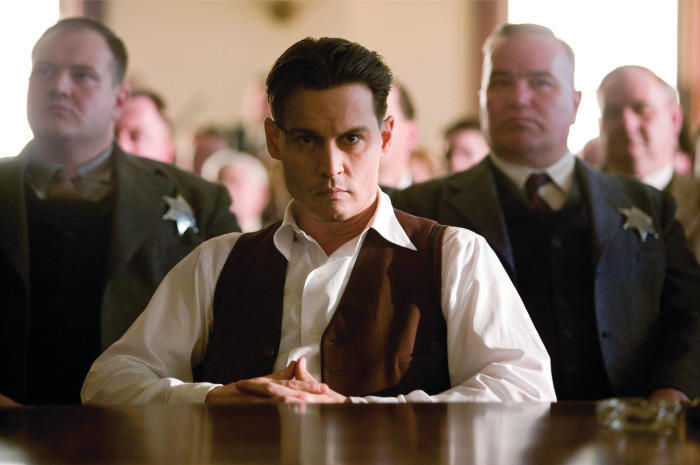
John Dillinger is a man who knows he’s a legend and has decided to enjoy every second of it, and Depp plays that self-awareness with a cool, unhurried charisma that makes the character magnetic even when he’s doing terrible things. Michael Mann’s handheld digital photography puts you uncomfortably close to everyone on screen, and Depp meets that intimacy head-on: there’s a scene where Dillinger audaciously taunts the authorities right under their noses, and the quiet amusement on his face says everything about how this man sees himself. It’s a controlled, confident performance that holds up well, and a reminder that Depp could anchor a serious adult crime film without any of his usual eccentricities.
11. Benny & Joon (1993)
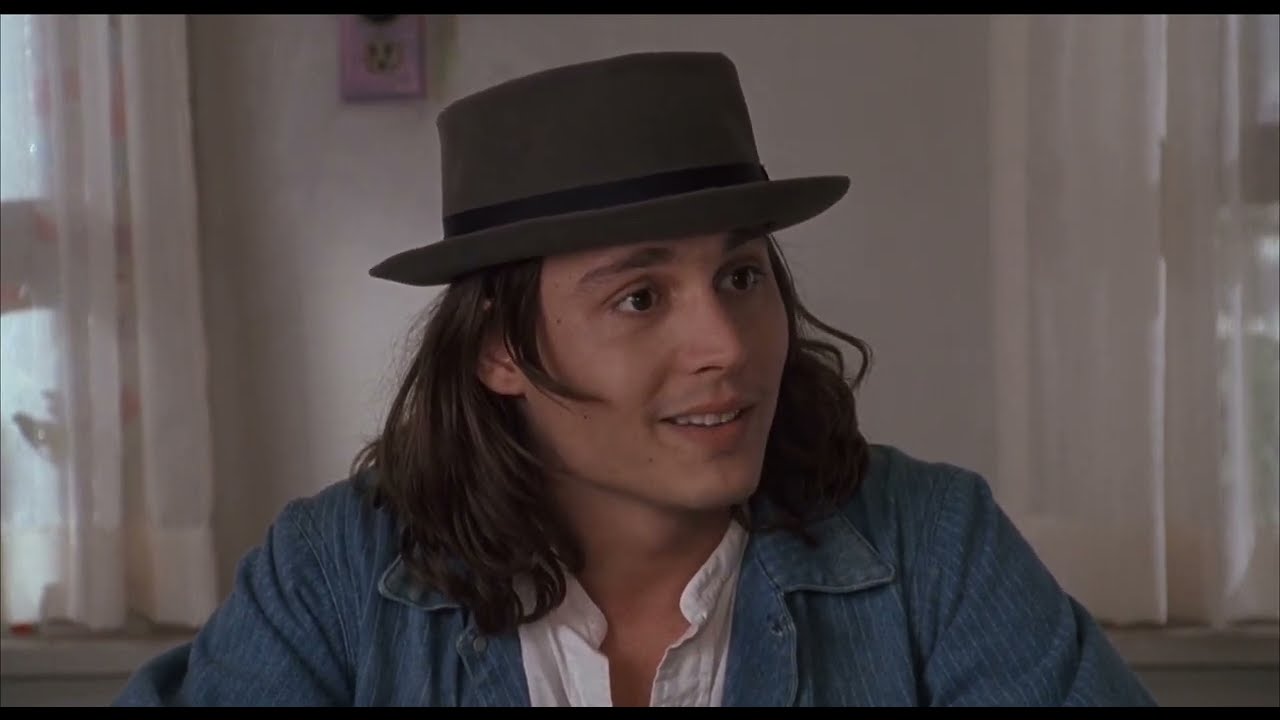
Sam communicates almost entirely through physical comedy, and Depp builds the character from the ground up using Buster Keaton’s pratfalls and Charlie Chaplin’s particular brand of graceful absurdity. The sequence where Sam irons a grilled cheese sandwich and then balances it on a fork while reading a book is so precisely executed that it plays like a magic trick: you know it’s a performance, but you can’t figure out how he’s doing it. That precision earned Depp a Golden Globe nomination for the role. Sam is sweet without being saccharine, strange without being alienating, and the performance is a reminder that his gift for physical storytelling was fully formed long before Jack Sparrow ever stumbled onto a dock.
10. Blow (2001)
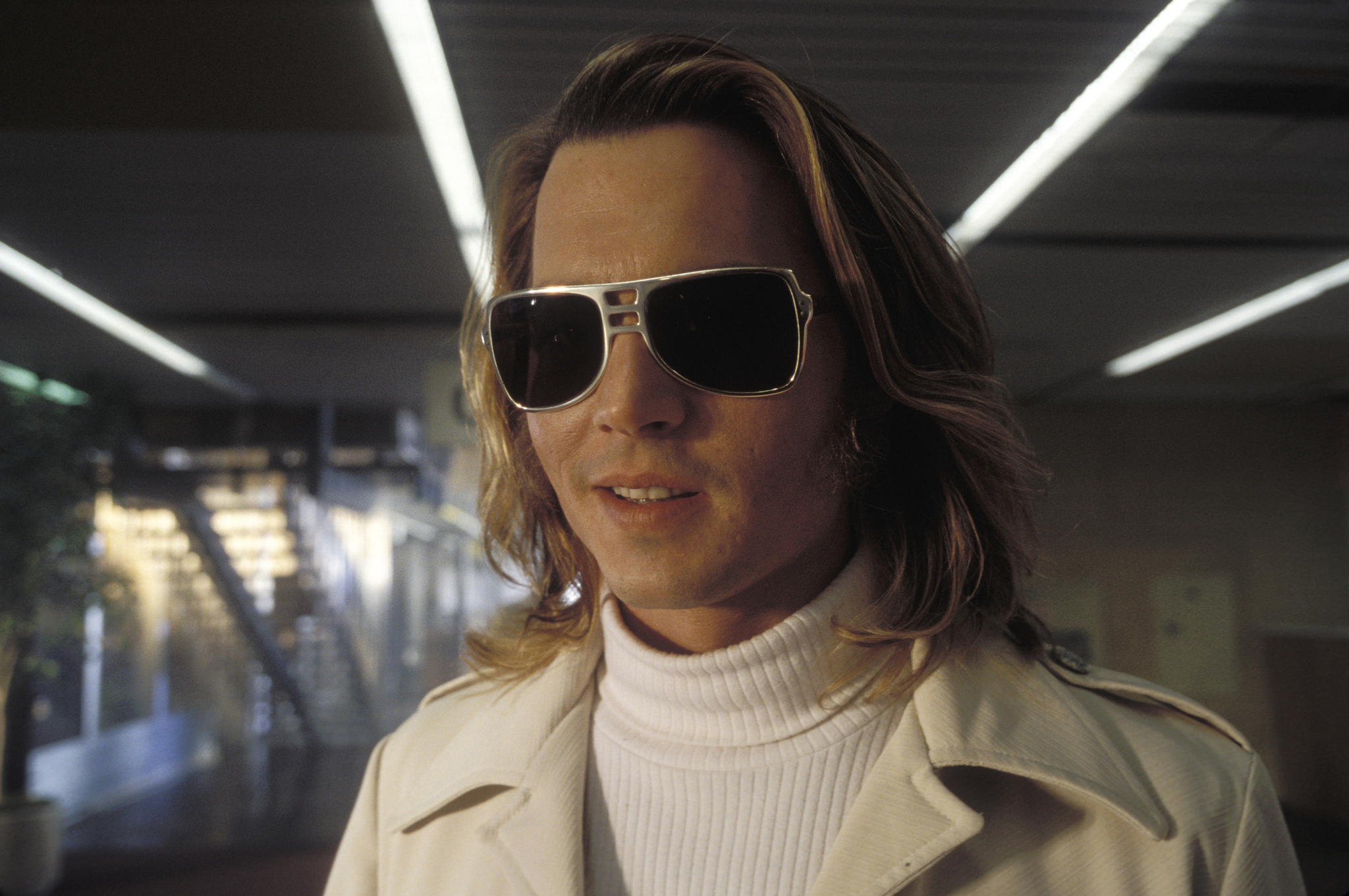
George Jung starts the film as a kid from Massachusetts who just wants to make enough money to feel free, and Depp traces the full arc of that dream souring into something ugly with a consistency that keeps the film grounded when it could easily tip into glamorization. There’s a scene late in the film where Jung sits with the wreckage of every choice he ever made, and Depp plays it without a single theatrical flourish — no trembling lip, no raised voice, just a man who has finally run out of ways to lie to himself. That stillness is what makes the ending land.
9. Sleepy Hollow (1999)
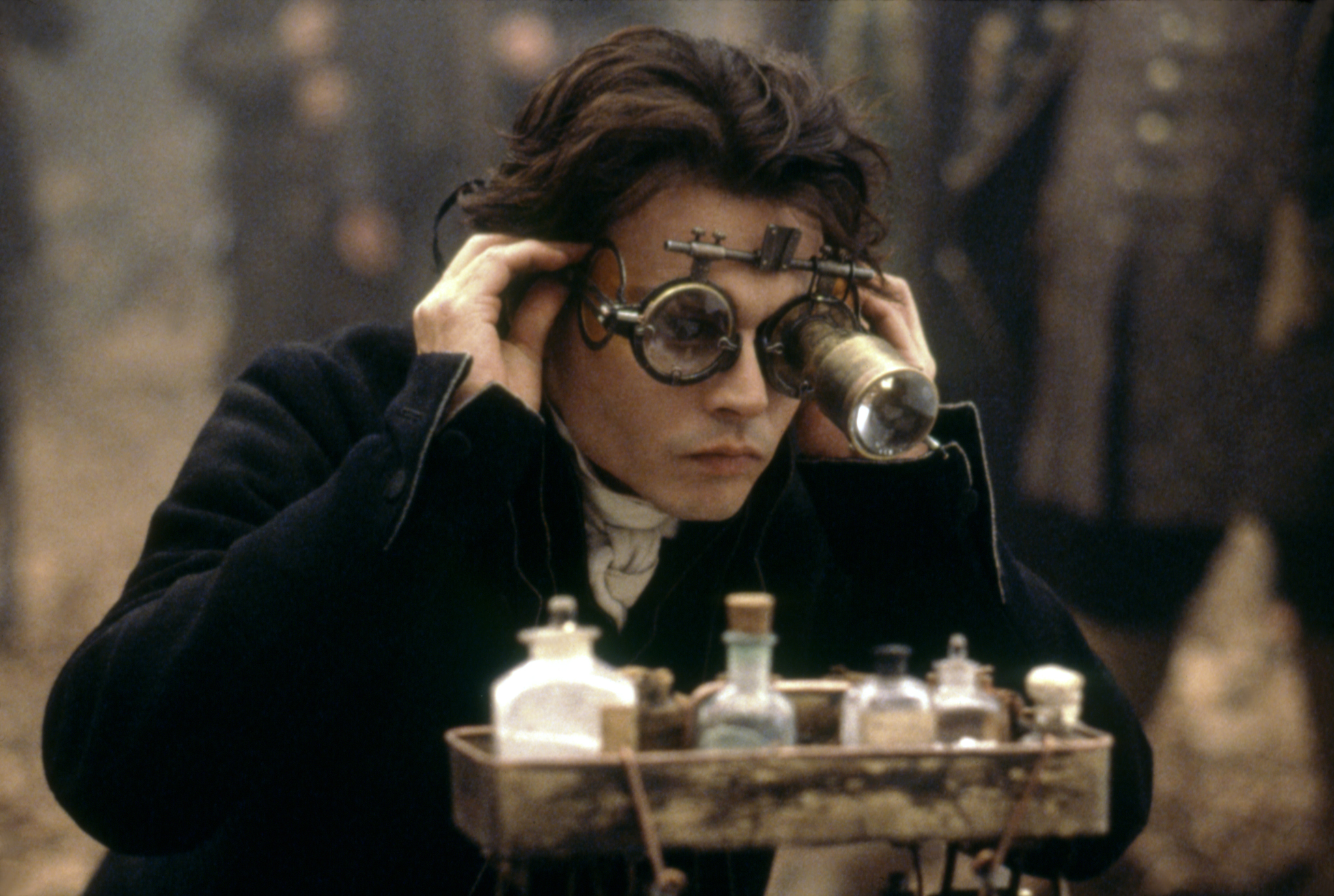
Ichabod Crane, as written and played here, is a man who faints at the sight of blood, screams at unexpected noises, and approaches every supernatural horror with the energy of someone who would very much prefer to be somewhere else entirely. Depp plays the comedy of that completely straight, which is exactly why it’s funny: his repeated fainting spells and squeamish reactions land because there’s no winking at the audience, no acknowledgment that this is ridiculous. It’s a precise comic performance wrapped inside Tim Burton’s gorgeous gothic production design, and the two things complement each other beautifully. Crane’s squeamishness never undermines the film’s genuine creepiness; it deepens it.
8. What’s Eating Gilbert Grape (1993)
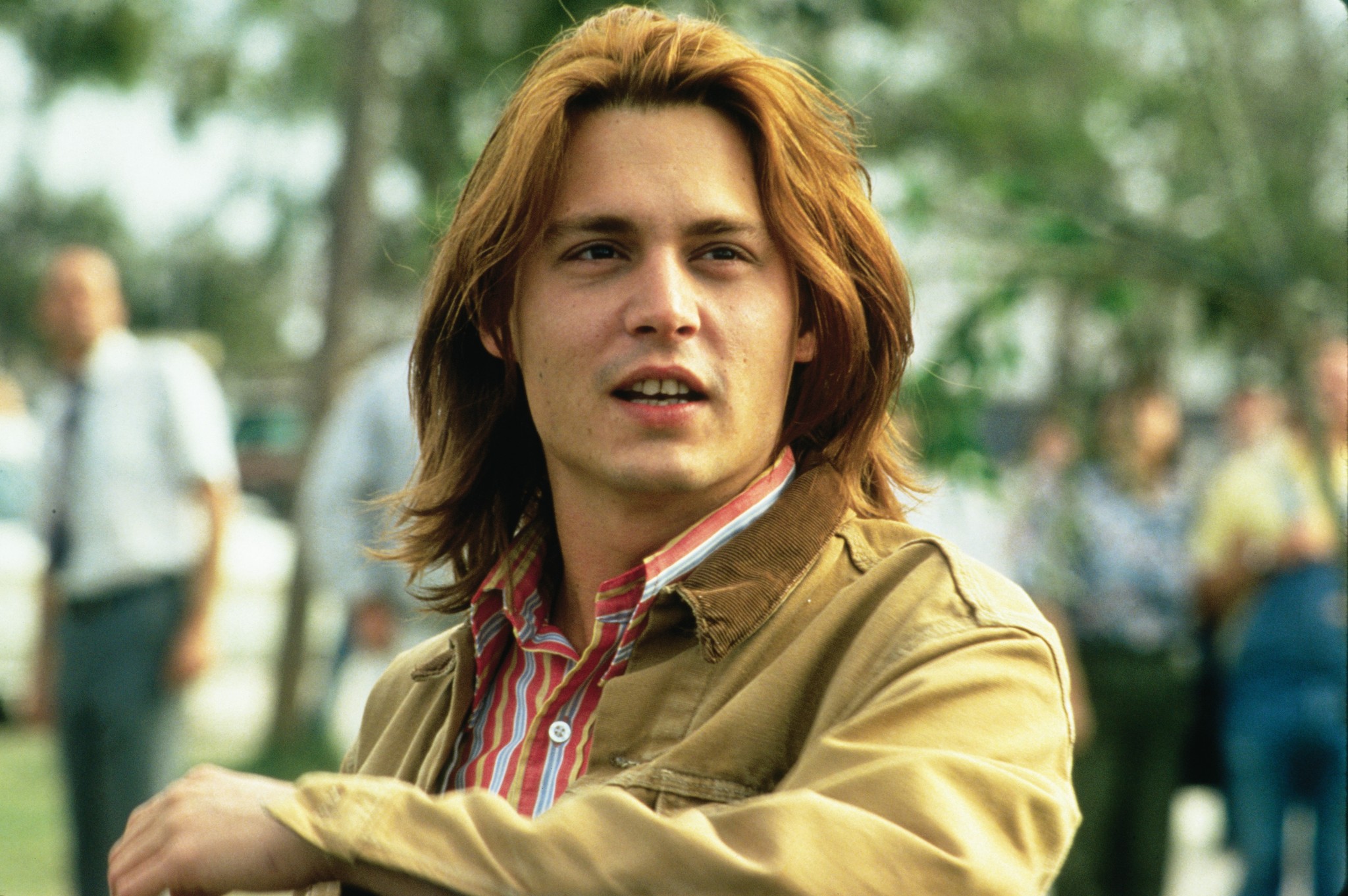
Gilbert Grape is a young man slowly suffocating under the weight of a family he loves and a life he never chose, and Depp plays that particular kind of quiet desperation with a restraint that’s easy to undervalue. The film is remembered, understandably, for Leonardo DiCaprio’s electric performance as Arnie, but watch how carefully Depp calibrates every scene they share: he’s always present, always reacting, always making Gilbert’s complicated love for his brother feel completely real without ever pulling focus. That willingness to be the still center of a film while someone else does the showier work is a specific kind of intelligence, and it’s on full display here.
7. Finding Neverland (2004)
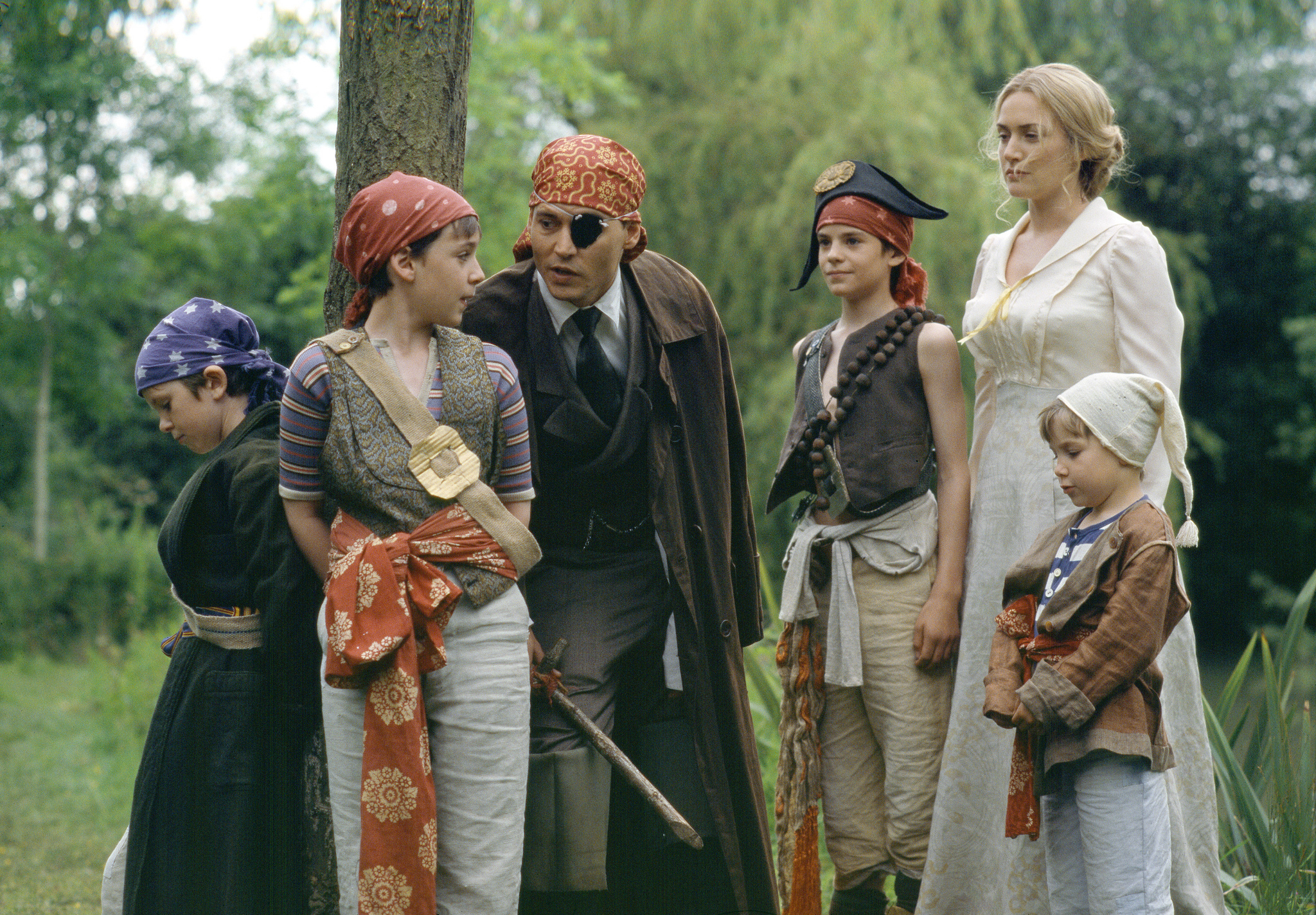
J.M. Barrie, as Depp plays him, is a man living slightly outside ordinary adult life, more comfortable with children’s imagination than with the social expectations of Edwardian London, and the performance works because he never plays that quality as precious or affected. There’s a scene where Barrie engages in imaginative play with the Davies boys, throwing himself into every character with total unselfconscious commitment, and the joy on his face is completely unguarded. It’s the most stripped-back dramatic work of Depp’s career up to that point, with no eccentricity to hide behind and no visual transformation to do the heavy lifting. It earned him nominations across every major awards body that year, and watching that playroom scene, you understand why — the way he drops his voice to almost nothing when the boys finally pull him into their game is the kind of small, specific choice that lands harder than any big dramatic moment.
6. Black Mass (2015)
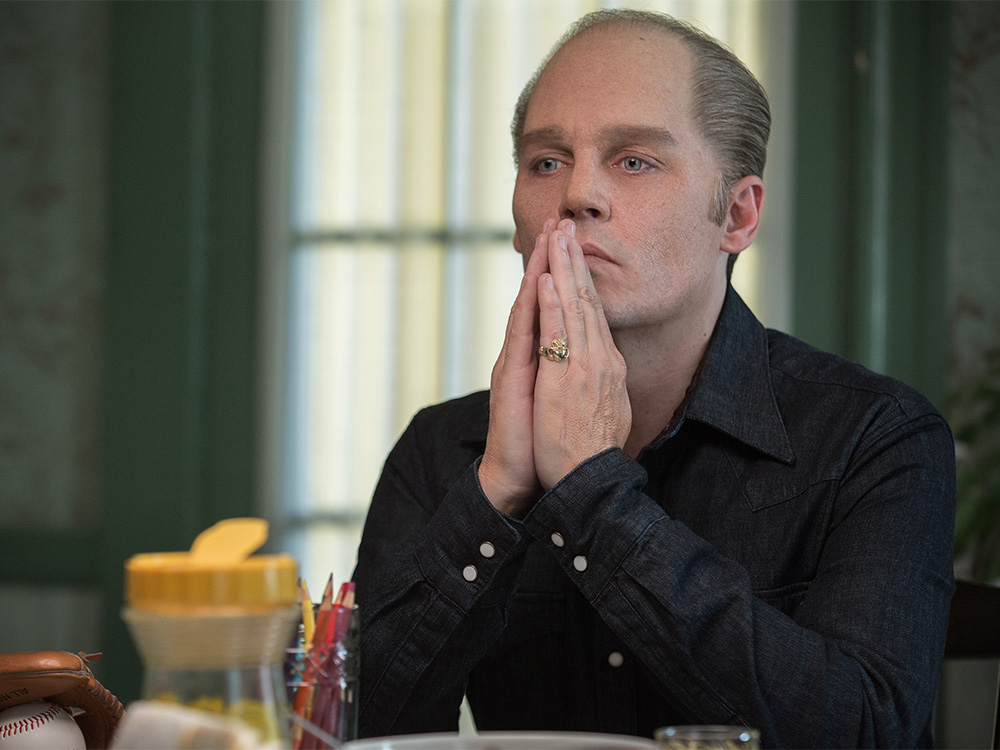
Under prosthetics, thinning hair, and a pair of cold blue contact lenses, Depp becomes Whitey Bulger so completely that the transformation is almost beside the point: what’s terrifying about this performance isn’t the makeup, it’s the stillness. There’s a dinner table scene where Bulger asks a family friend if her sauce recipe is a secret, listens to her answer with apparent warmth, and then turns on a dime into something that puts ice in your stomach, all without raising his voice. He doesn’t lunge or shout — he just goes quiet in a way that feels genuinely dangerous, and that quality runs through every scene he’s in. It earned him a SAG nomination, and after a stretch of franchise work, Black Mass is the one that reminded everyone what he was capable of. That sauce scene alone is worth the price of admission.
5. Fear and Loathing in Las Vegas (1998)
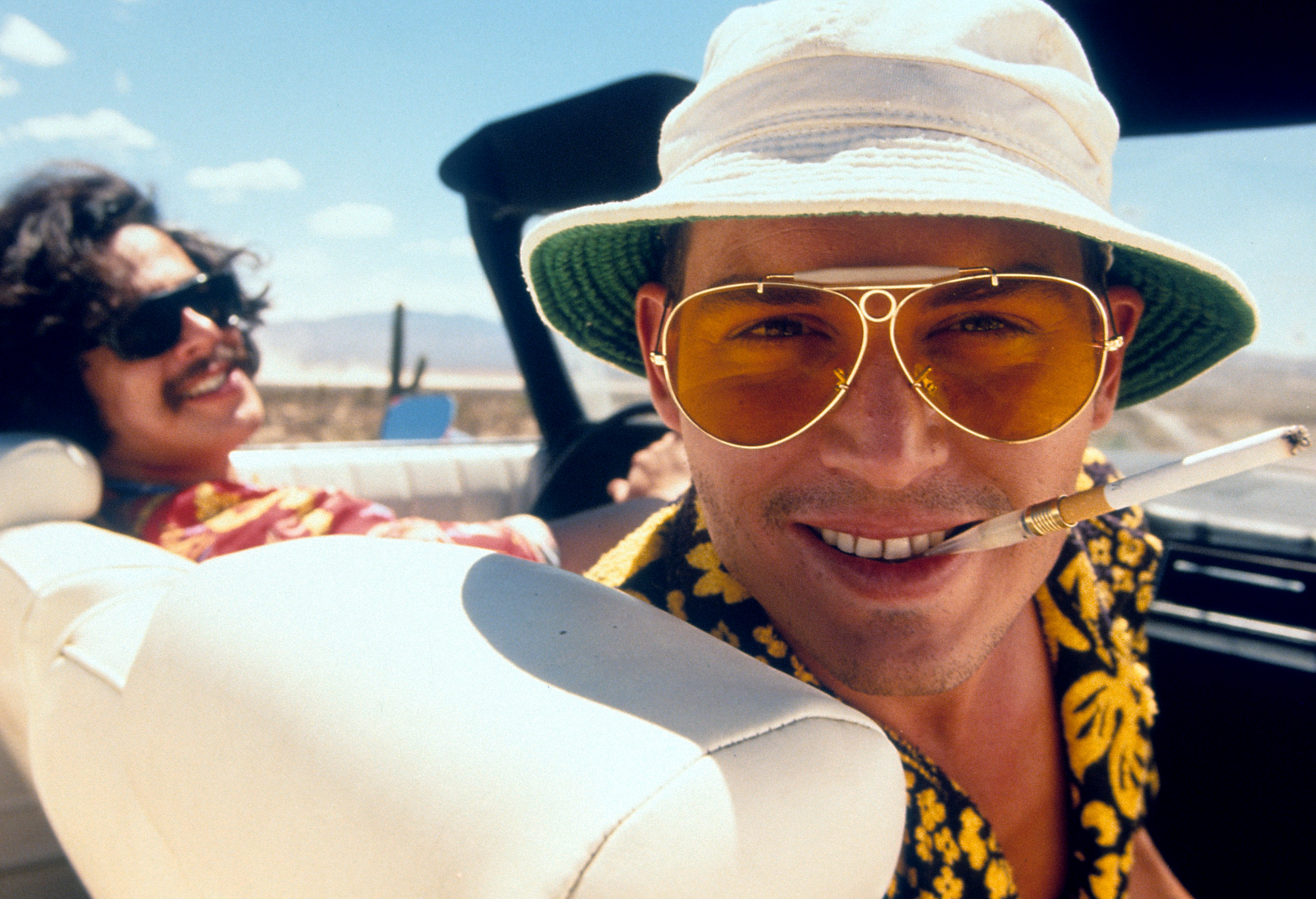
Raoul Duke is a character who exists at the intersection of genuine literary creation and full-body physical performance, and Depp prepared for the role by living with Hunter S. Thompson himself, absorbing the man’s rhythms and speech patterns until he could channel them on screen. The result is simultaneously hilarious and deeply unsettling: the scene where Duke hallucinates the hotel lobby filling with lizard people is played with such committed terror that it stops being funny and becomes something closer to a bad dream. The film bombed on release and split critics right down the middle, but it’s become one of the most quoted and revisited films of the entire decade. That reputation rests almost entirely on how fully Depp commits to Thompson’s chaotic, chemically altered worldview.
4. Ed Wood (1994)
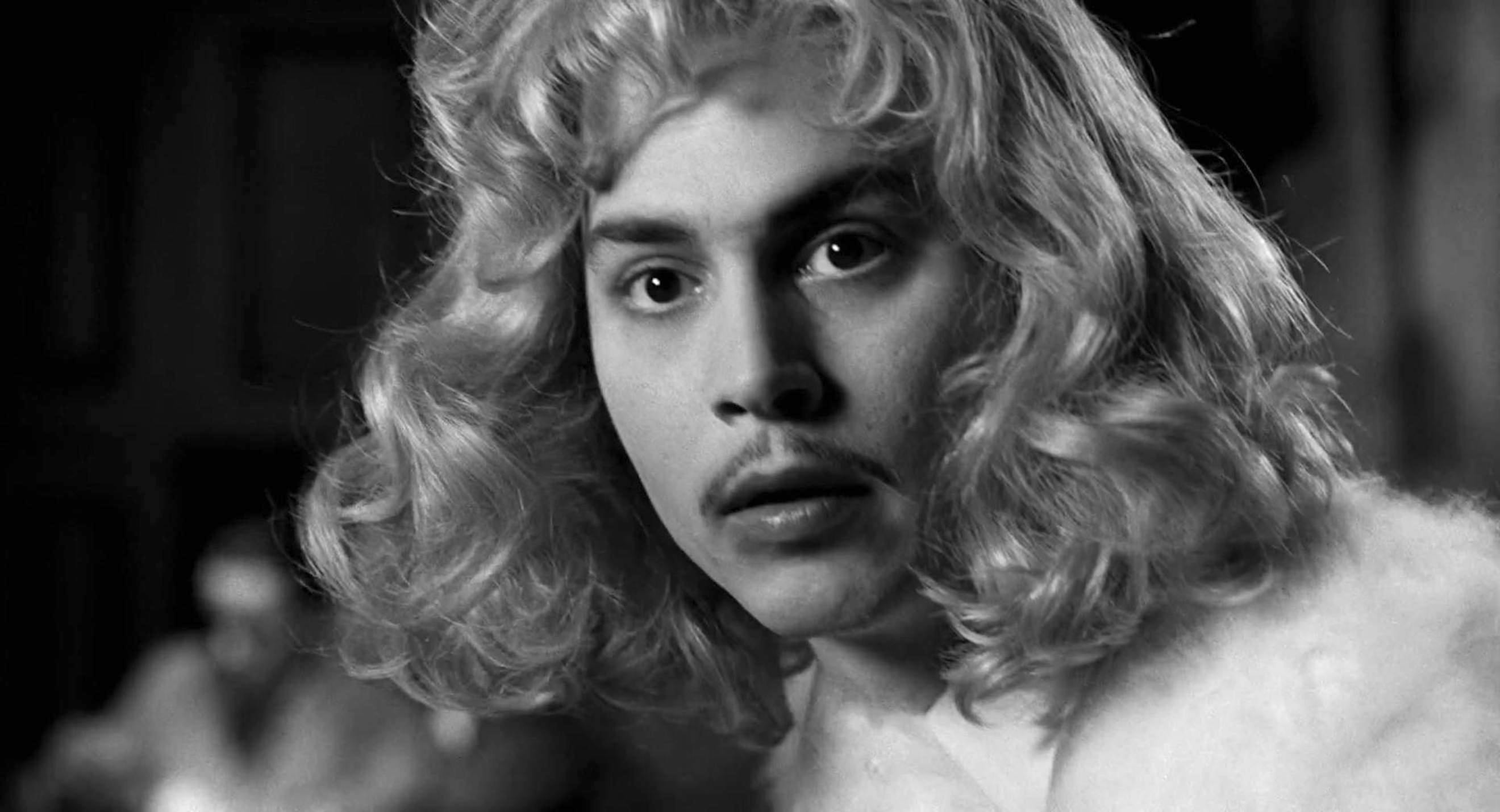
Edward D. Wood Jr. is a man who makes objectively terrible films with the absolute conviction of a genius, and Depp plays that delusional optimism with such genuine warmth that you find yourself rooting for him even as you’re laughing at the results. Shot in Tim Burton’s gorgeous black-and-white, the film gives Depp a character who could easily become a punchline, and he refuses to let that happen: the scene where Wood pitches his film to potential investors with total sincerity is both funny and oddly moving. The film didn’t find its audience in theaters, but it’s grown steadily in stature over thirty years, and Depp’s performance is the reason people keep returning to it — specifically that wide-eyed, unshakeable smile that never once looks like a joke.
3. Sweeney Todd: The Demon Barber of Fleet Street (2007)
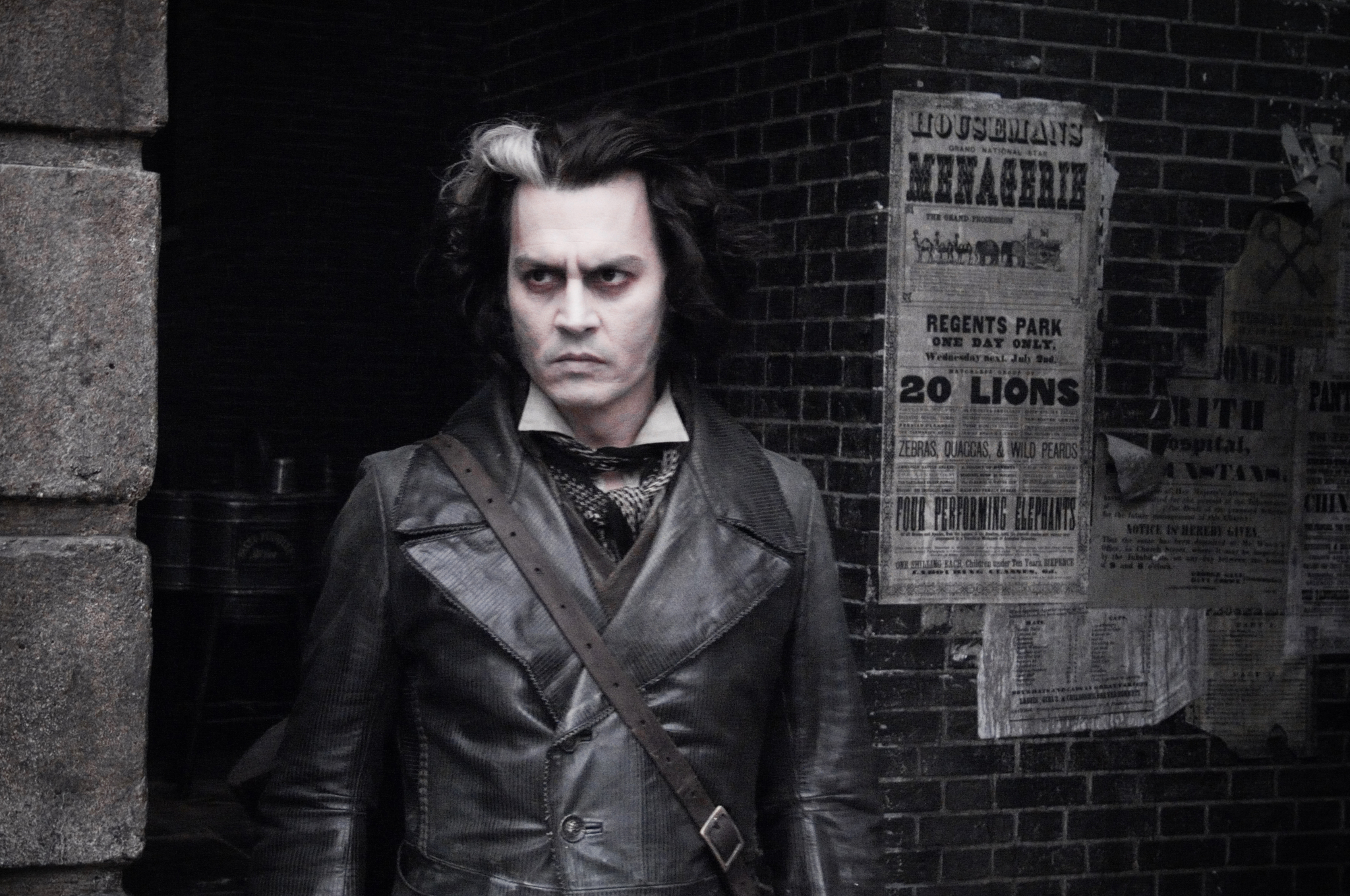
Benjamin Barker’s transformation into Sweeney Todd is a story about grief souring into something monstrous, and Depp carries that emotional logic entirely through his voice: cold, precise, and full of a fury that never quite boils over into anything as simple as rage. Singing Stephen Sondheim is a specific technical challenge, and the fact that his voice unsettles rather than merely satisfies is a real achievement. The razor scene in “Pretty Women,” where Todd and Judge Turpin sing together while Depp’s eyes go somewhere completely absent, is the performance’s best moment, a man running out the clock on his own humanity. It’s the darkest collaboration he and Burton ever produced, and that hollow, glassy stare during the final verse is what makes the whole thing stick.
2. Edward Scissorhands (1990)
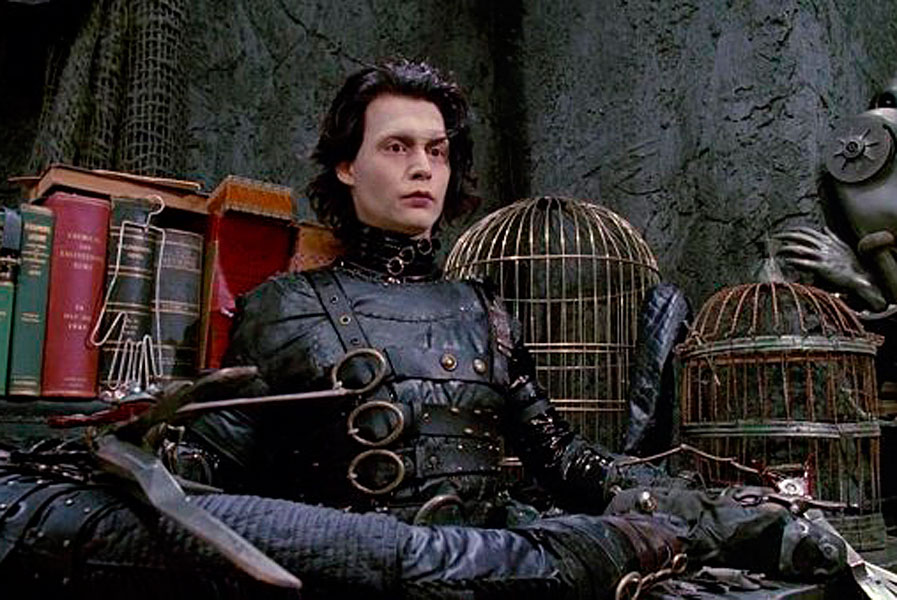
Edward barely speaks. His hands are blades. He lives in a gothic mansion at the end of a pastel suburb and has never learned how to hug anyone without hurting them, and Depp communicates all of that loneliness and longing through his eyes, his posture, and the careful way he holds himself apart from everything he wants to touch. The scene where he sculpts an ice angel for Kim while she dances in the falling snow is the film’s emotional peak, and it works because Depp has spent the entire movie building Edward’s yearning so quietly and precisely that the moment lands like a gut punch. This is the role that announced what kind of actor he intended to be: unconventional, visually expressive, and completely unafraid of vulnerability. Everything that followed traces back here.
1. Pirates of the Caribbean Franchise (2003–2017)
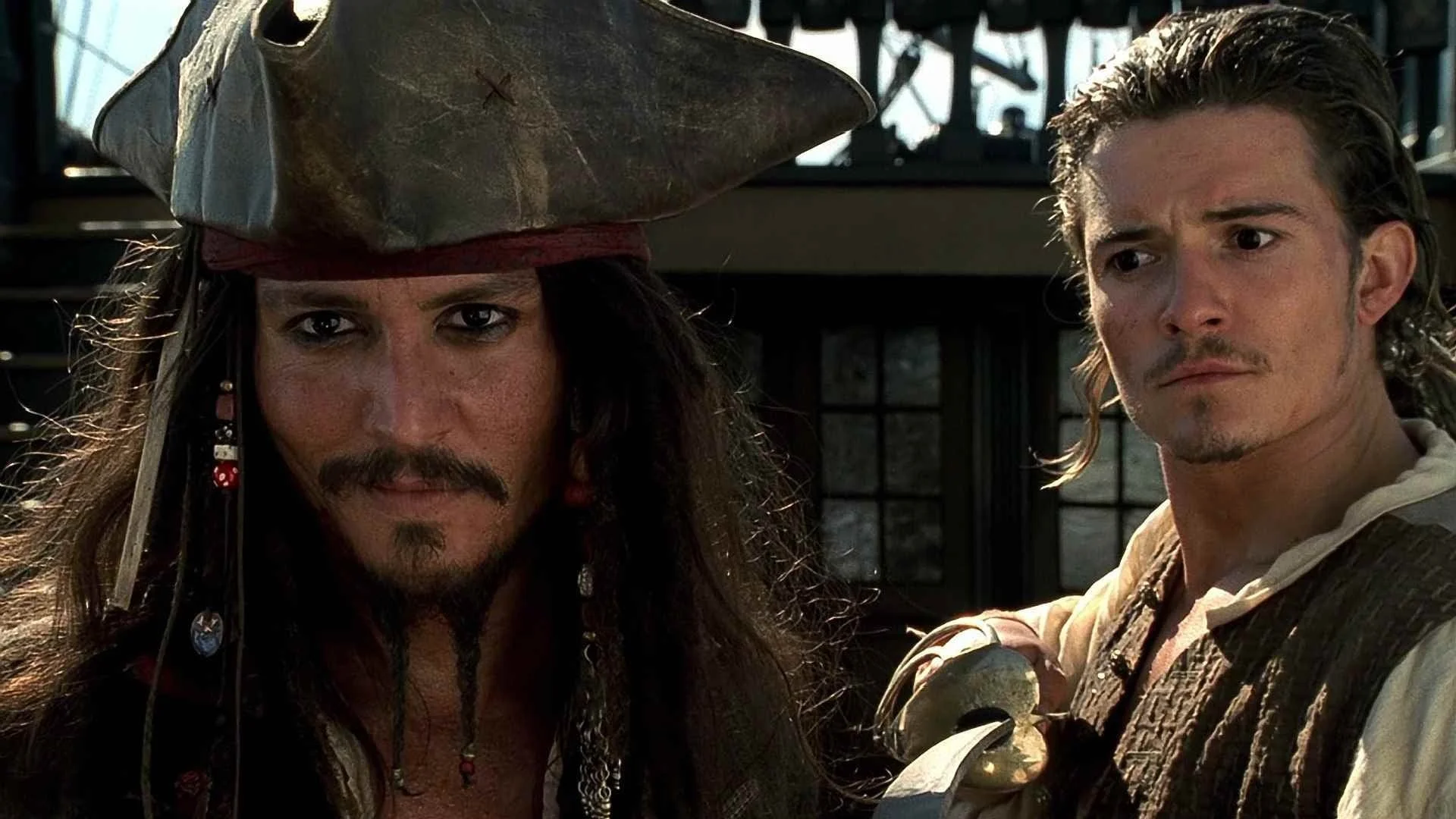
Captain Jack Sparrow arrived in The Curse of the Black Pearl as something nobody had seen before: a swaggering, rum-soaked creation who moved like a man perpetually recovering from something and talked his way out of every situation with a logic that made sense only to him. Depp based the character partly on Keith Richards and partly on a cartoon skunk, producing a performance so original that Disney executives reportedly panicked during early screenings, convinced the film was going to fail. The scene where Sparrow negotiates with Barbossa, outnumbered, outgunned, and still somehow the most interesting person in the room, captures everything that made him iconic. The franchise earned Depp an Oscar nomination and turned a theme park attraction into a multi-billion dollar phenomenon. More than any of that, Jack Sparrow represents an actor at the peak of his creative confidence, inventing a character from scratch and trusting the audience to come along for the ride.
Johnny Depp’s career is a strange one to look back on, in ways that still catch you off guard: a teen idol who deliberately dismantled his own image, a blockbuster star who kept sneaking back to art-house films, a character actor who happened to become one of the most recognizable faces on the planet. It all started with 21 Jump Street, where a young Depp played undercover cop Tom Hanson and became a household name before he’d figured out what kind of actor he wanted to be. As this list makes clear, the answer turned out to be: all of them.
Written by Miranda Davies
Film & TV Enthusiast
Hi, my name is Miranda Davies, and I’ve loved film and television all of my life. Some of my earliest memories involve me and family or friends catching the latest movies, or reclining on the couch to catch some awesome television, and I want to share that passion with fellow fans like you! The best way to celebrate film and television is to chat about it with people as equally passionate as you, so this website will be dedicated to being a hub for those that want to chat about their obsessions in a safe and welcoming environment that is fun to visit!
More about the author