
Top 15 Jake Gyllenhaal Movies, Ranked
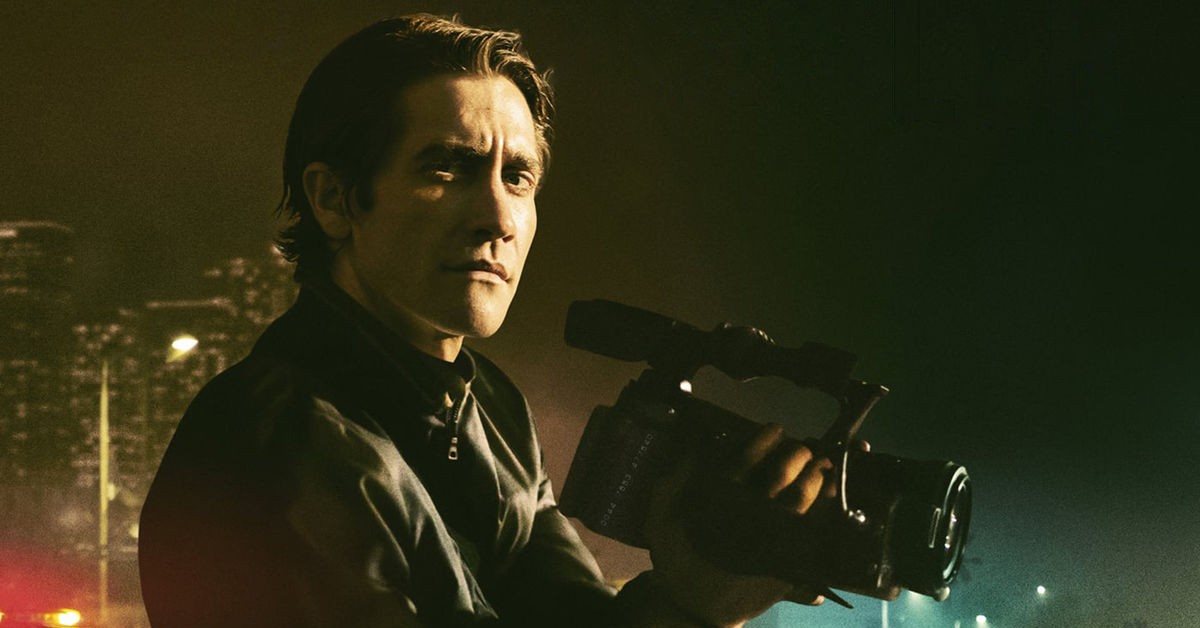
There’s a specific kind of actor who makes you feel slightly uneasy even when the character is supposed to be likable, and Jake Gyllenhaal has been that actor for over two decades. At TV Hulk, we ranked these performances by how completely he disappears into a role: the moments where you stop thinking about Jake Gyllenhaal and start believing in the person on screen, whether that’s a hollow-eyed stringer filming car crashes or a lovesick cowboy in Wyoming. The performances that stuck with us, unsettled us, or just refused to leave our heads after the credits rolled are the ones that earned their spots here.
15. The Day After Tomorrow (2004)
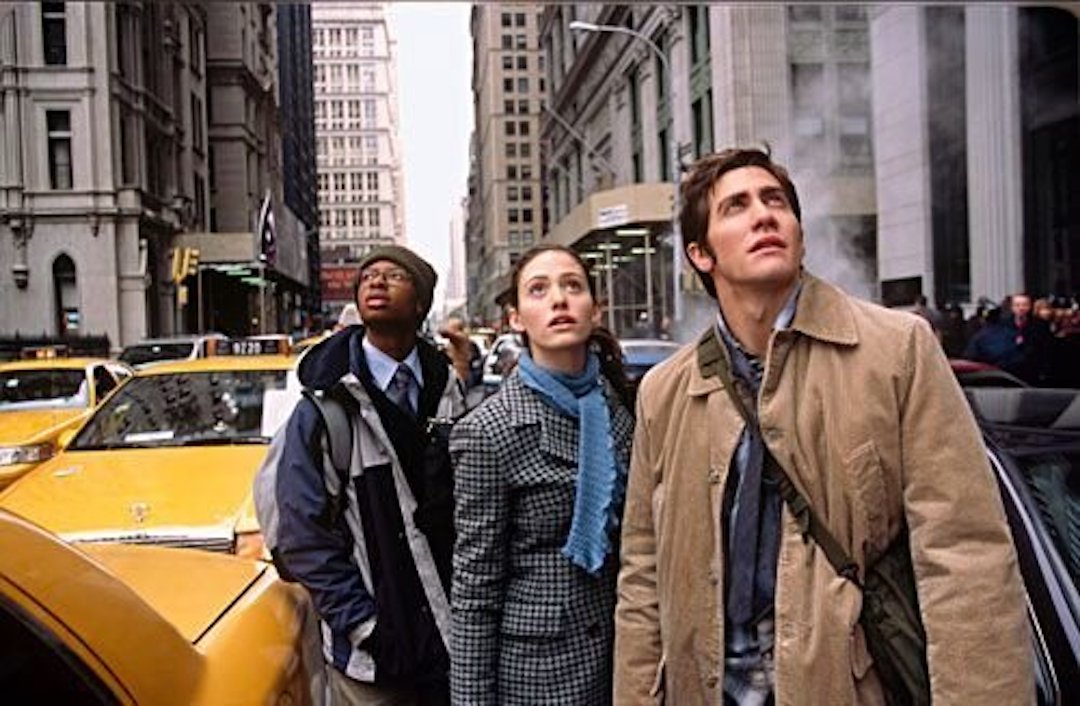
Sam Hall isn’t the most demanding role in Gyllenhaal’s catalog, but there’s something worth appreciating about how grounded he keeps the character while the world literally freezes around him. When Sam and his friends are trapped in the New York Public Library burning books to survive, Gyllenhaal plays the fear quietly, without leaning on the spectacle, and that restraint gives the film’s human stakes something real to hold onto. The movie became a $552 million global hit, but the performance that sticks is the small stuff — the way Gyllenhaal keeps his voice steady and almost apologetic when Sam finally reaches his dad by phone, like a kid trying not to fall apart in front of someone he’s not sure he’ll ever see again.
14. Guy Ritchie’s The Covenant (2023)
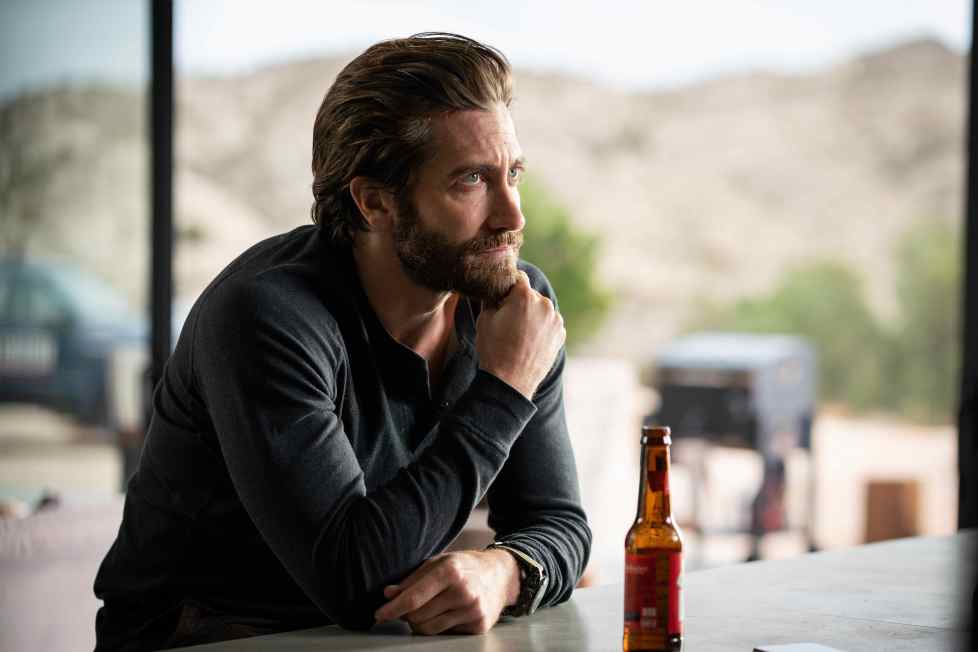
Sergeant John Kinley is a man of very few words, and Gyllenhaal leans into that completely. There’s a sequence where Kinley, badly wounded, is being carried across the Afghan landscape by his interpreter Ahmed, and Gyllenhaal plays the semi-conscious helplessness with a physical vulnerability that’s genuinely striking for an actor who often projects coiled intensity. Kinley fits the film’s restrained register perfectly, and the bond between the two men is built through performance rather than dialogue, which is harder to pull off than it sounds. The film didn’t find a wide theatrical audience, but what stays with you is a single late scene where Kinley, finally safe, can barely hold eye contact with Ahmed — Gyllenhaal communicates a whole weight of guilt without saying a word.
13. Enemy (2014)
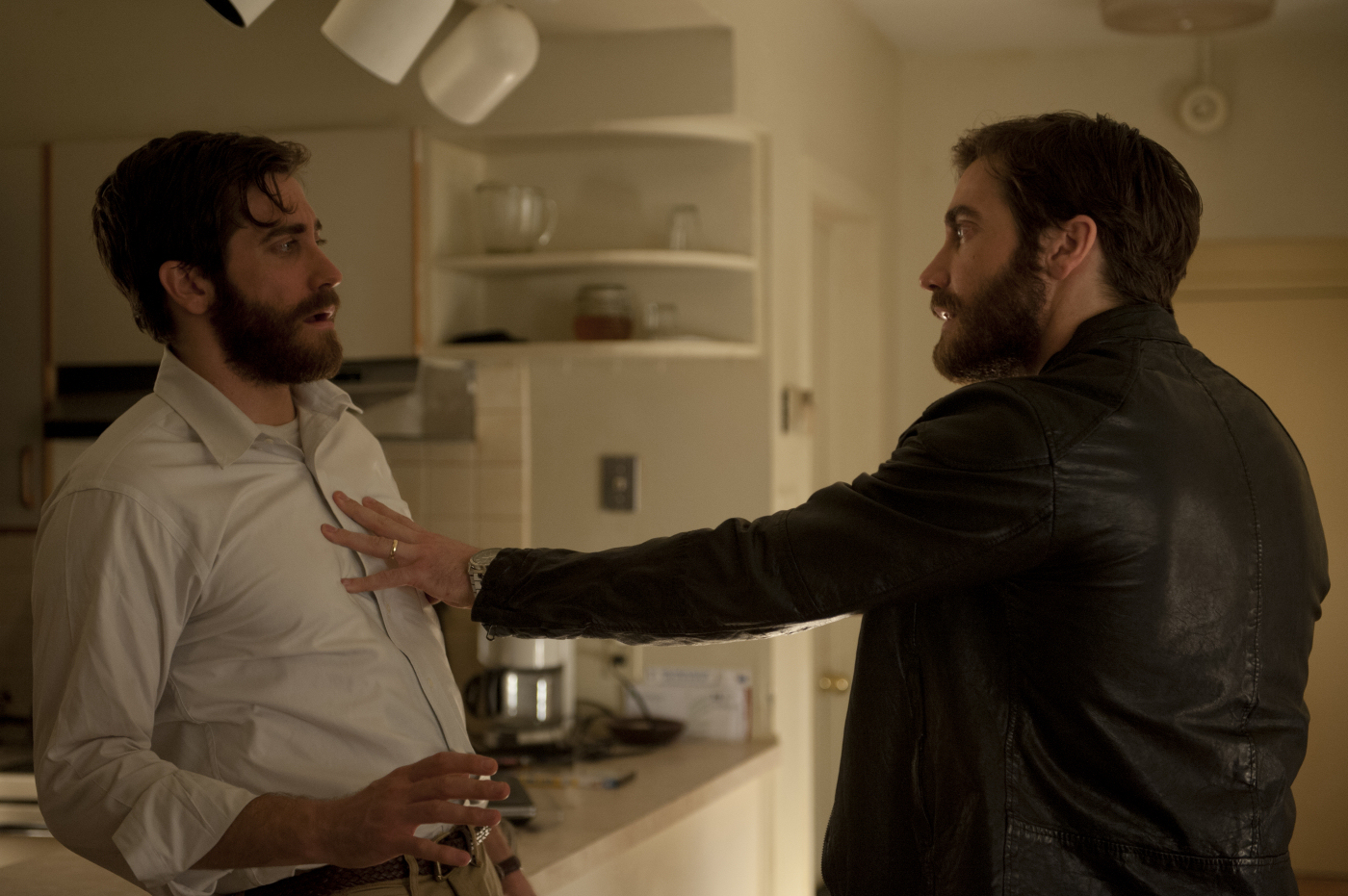
Adam Bell barely speaks above a murmur, and that’s the whole unsettling point. In Denis Villeneuve’s psychological puzzle, Gyllenhaal plays two men who may or may not be the same person — slow, paranoid, and deeply strange in a way that’s completely different from anything else on this list. The scene where Adam first sees Anthony on a rented DVD and his face cycles through five different kinds of dread in about four seconds is genuinely hard to shake. It’s the most underrated entry here, a film that gets more disturbing with every rewatch, and that closing shot lands so hard partly because Gyllenhaal has spent the whole runtime keeping his reactions just slightly too small to read.
12. October Sky (1999)
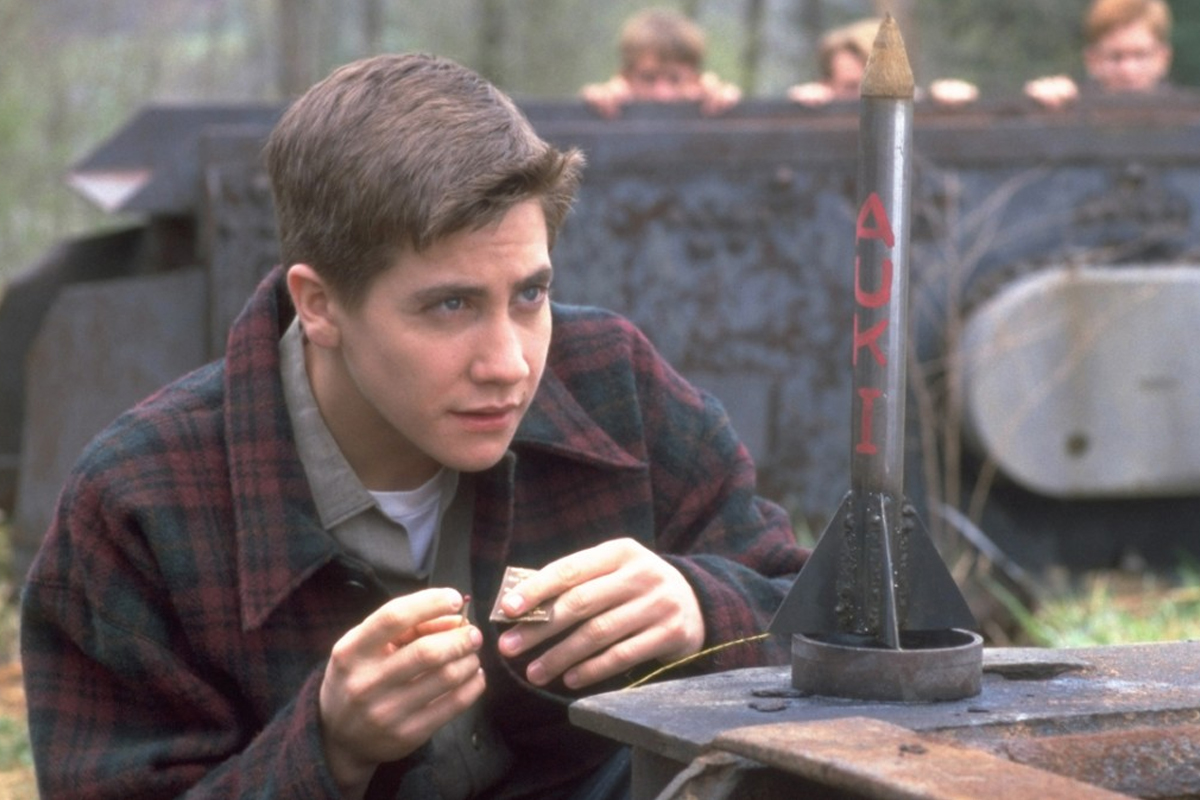
Homer Hickam is where it all began for Gyllenhaal as a screen presence worth tracking. He plays the West Virginia coal miner’s son with an earnestness that never tips into the saccharine territory that could have swallowed a lesser performance. There’s a specific moment when Homer first watches Sputnik cross the night sky and his face shifts from wonder to absolute certainty, and Gyllenhaal sells it completely. Watching it now, you can see exactly why people called it a breakout at the time. The film remains one of the most warmly regarded inspirational dramas of the late ’90s, and a lot of that warmth comes from the total conviction Jake brings to Homer’s quiet, stubborn determination.
11. Jarhead (2005)
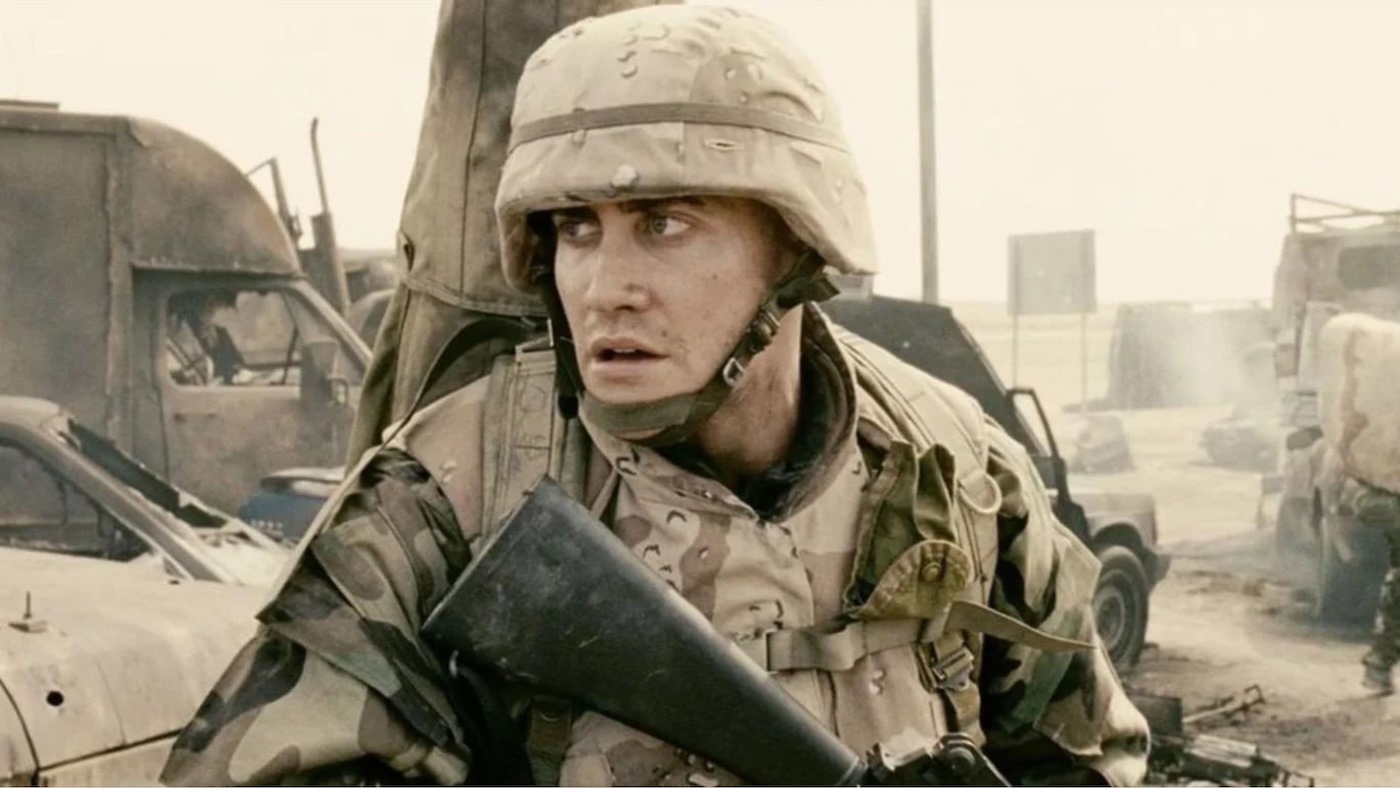
Anthony Swofford trains for war and never gets to fight one, and the specific psychological damage of that anticlimax is something Gyllenhaal absolutely nails with a raw, unsettled energy that Sam Mendes’s film couldn’t exist without. There’s a physical restlessness to his performance, a coiled, jittery quality in the way he holds his body, like someone perpetually braced for an impact that never arrives. That particular brand of frustrated, directionless rage is harder to pull off than it looks, and every bit of it hits hard without ever tipping into melodrama. The film ends with Swofford back home, adrift in civilian life, and Gyllenhaal plays that final stillness with a flat, hollow delivery on the line “I was a marine” — the kind of reading where you can hear a man trying to locate something in those words and coming up completely empty.
10. Southpaw (2015)
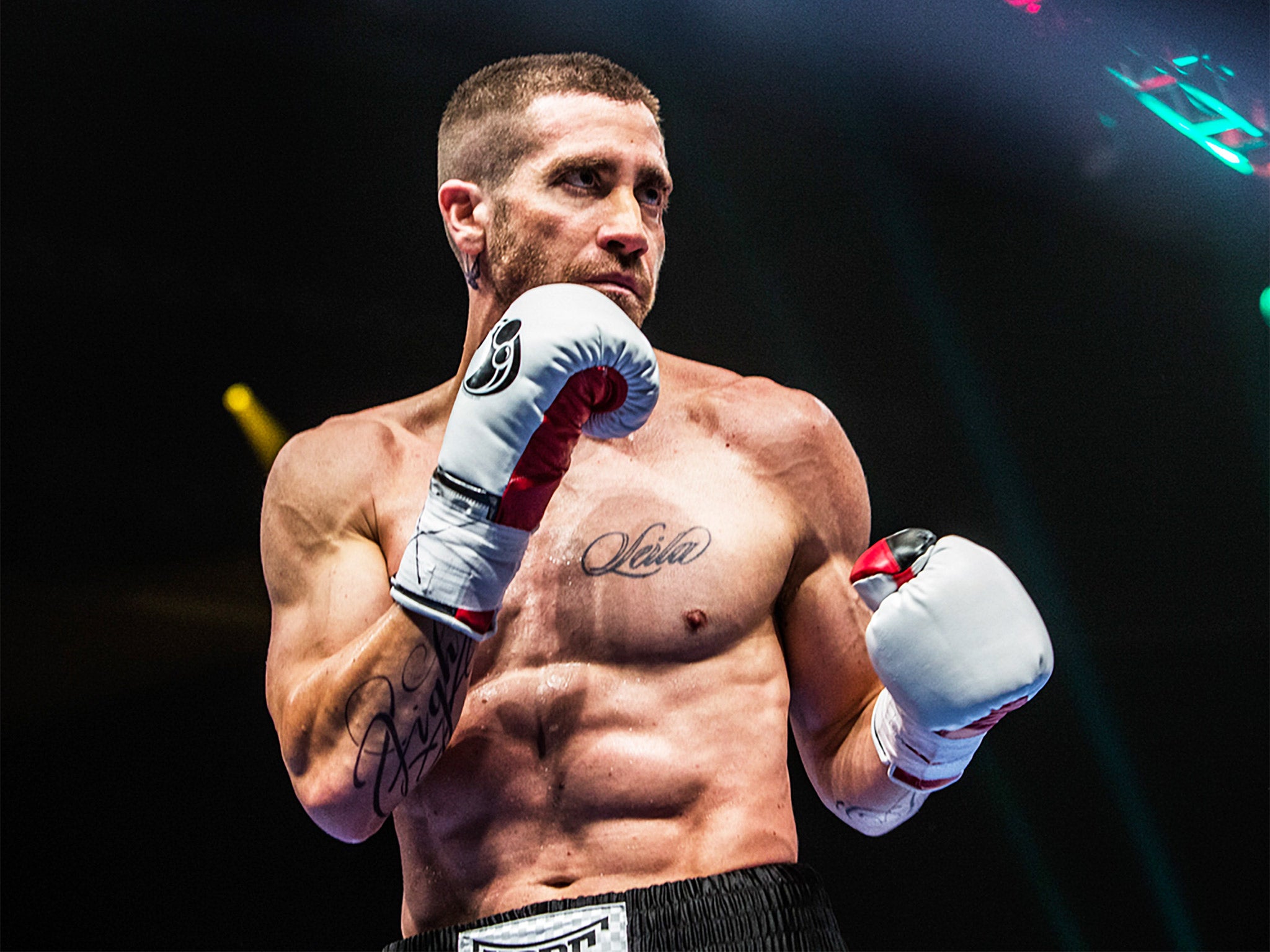
Billy Hope arrives on screen as a wrecking ball, all aggression and forward momentum, and Gyllenhaal plays the character’s collapse with the same physical commitment he brought to the ring. He gained 15 pounds of muscle and trained with actual boxers, but the transformation that matters most is what he does with Billy’s face in the scenes after his wife is killed: a man going completely hollow, losing the only thing that gave his violence any meaning. The film grossed $94 million and proved Gyllenhaal could carry a mainstream crowd-pleaser on pure intensity. In the scenes with his daughter, watch how he keeps his hands awkwardly at his sides, a fighter with no idea how to reach out gently, and that one physical detail does more than any line of dialogue could.
9. End of Watch (2012)
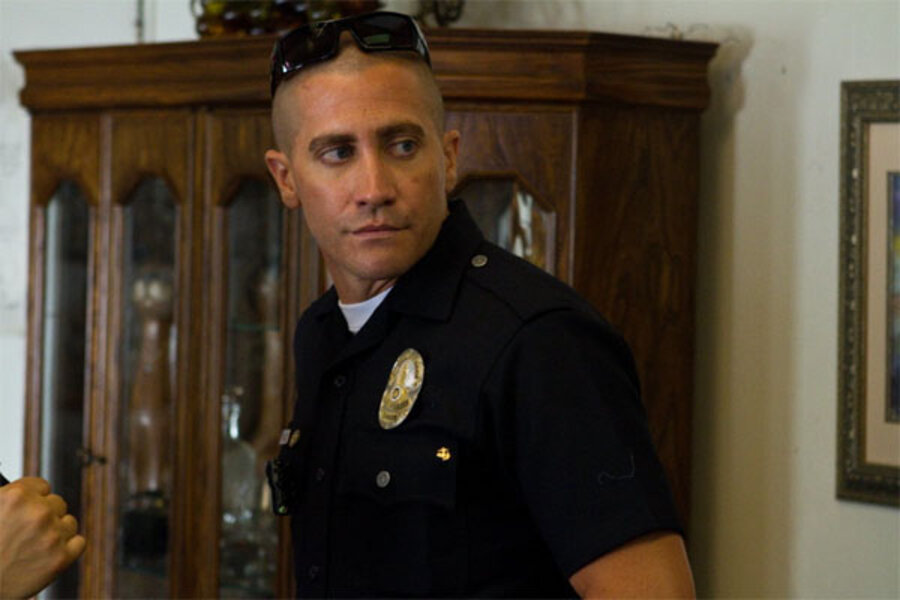
Brian Taylor is the most relaxed Gyllenhaal has ever been on screen, and that ease is the whole performance. The found-footage format lives or dies on whether you believe the people holding the cameras, and the chemistry between Gyllenhaal and Michael Peña is so natural that their patrol-car banter feels like something you’re eavesdropping on rather than watching. The scene where they’re just riffing on each other between calls, laughing about nothing in particular, does more to establish their friendship than any scripted dramatic moment could. That’s what makes the film’s brutal final act land so hard. It’s an underseen gem that Gyllenhaal fans reliably bring up when making the case for his ability to disappear into a character without any of his usual intensity on display.
8. Spider-Man: Far From Home (2019)
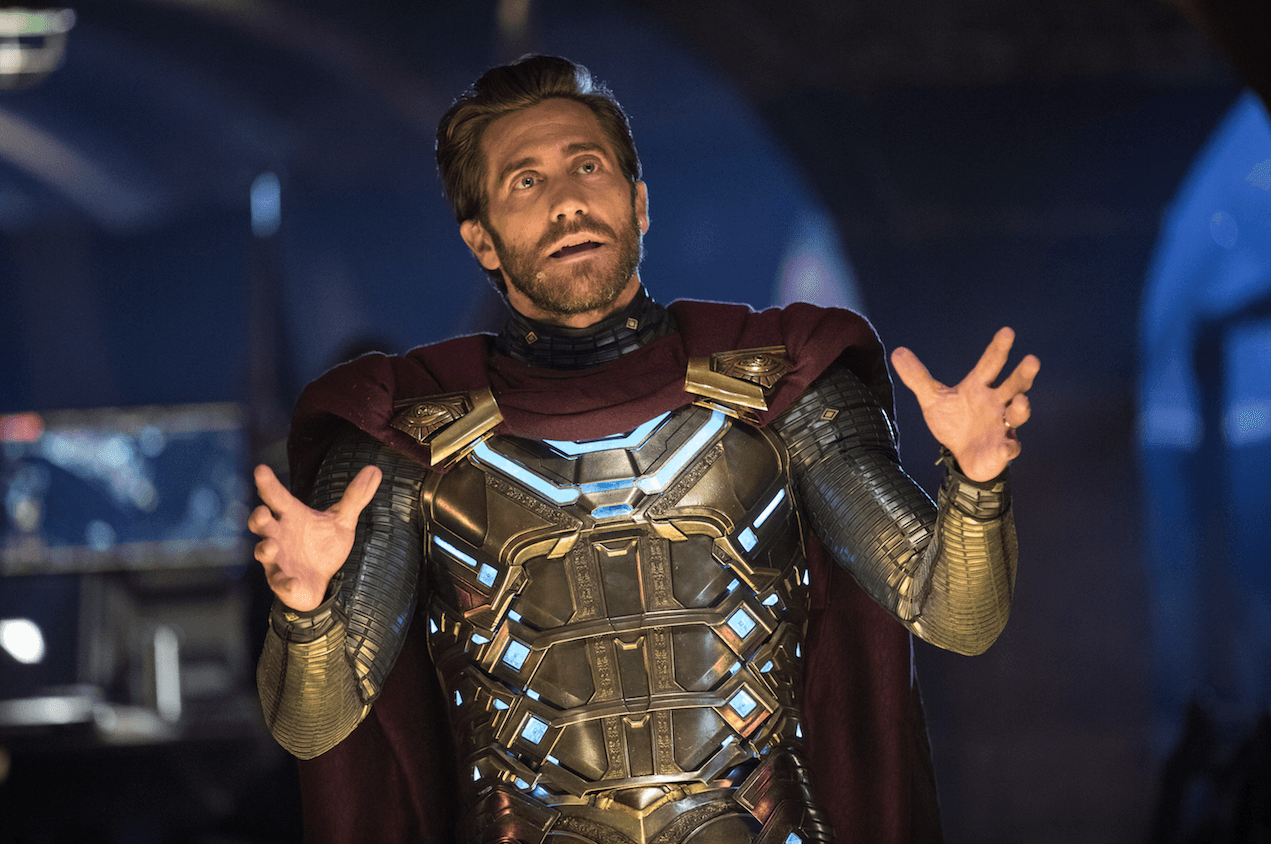
Quentin Beck is a con, but Gyllenhaal plays the first half of the film like he’s not, and that’s the whole trick. His mentor scenes with Tom Holland’s Peter Parker are warm, specific, and completely convincing, which is exactly why the villain reveal hits harder than it should in a movie this breezy. When Beck drops the act, Jake’s posture literally opens up — shoulders back, chin lifted, the careful warmth draining out of his eyes mid-sentence — and the wounded, bitter egomaniac underneath snaps into focus so fast it’s almost disorienting. That cold pivot lands hardest in the line “You’ll see, Peter” — delivered not with menace but with the quiet, satisfied certainty of someone who stopped pretending five minutes ago.
7. Source Code (2011)
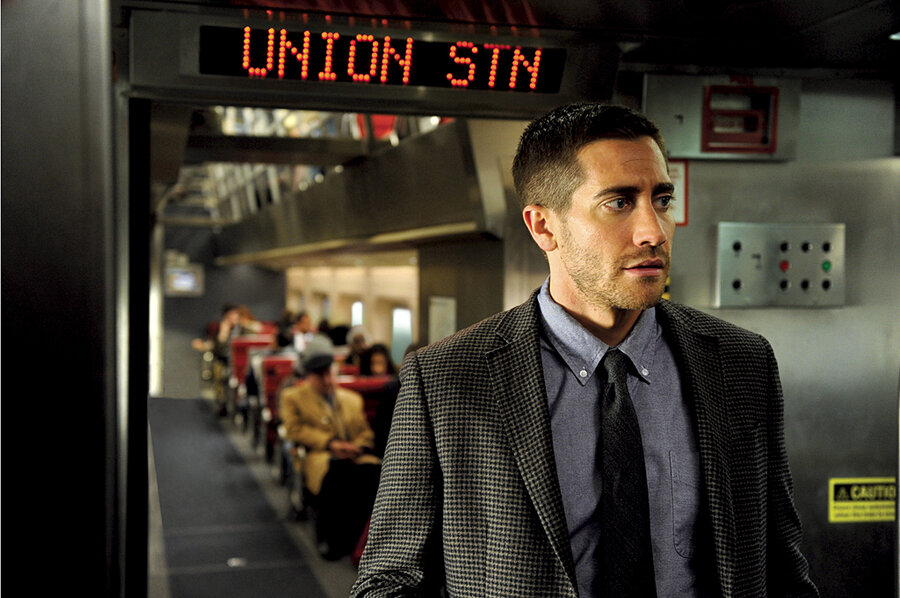
Colter Stevens wakes up in someone else’s body on a train that’s about to explode, and he has to keep waking up in that same body, on that same train, over and over again. The premise could easily feel like a video game, and the reason it doesn’t is entirely down to Gyllenhaal’s ability to give each loop its own emotional texture. By the fourth or fifth iteration, you can see the specific weight of accumulated dread in how Stevens moves through the train car: faster, more desperate, more certain of what he’s about to lose. Duncan Jones’s film grossed $147 million, and the emotional gut-punch of the ending only works because Gyllenhaal has spent the entire film making you care about a man who technically doesn’t exist anymore.
6. Nocturnal Animals (2016)
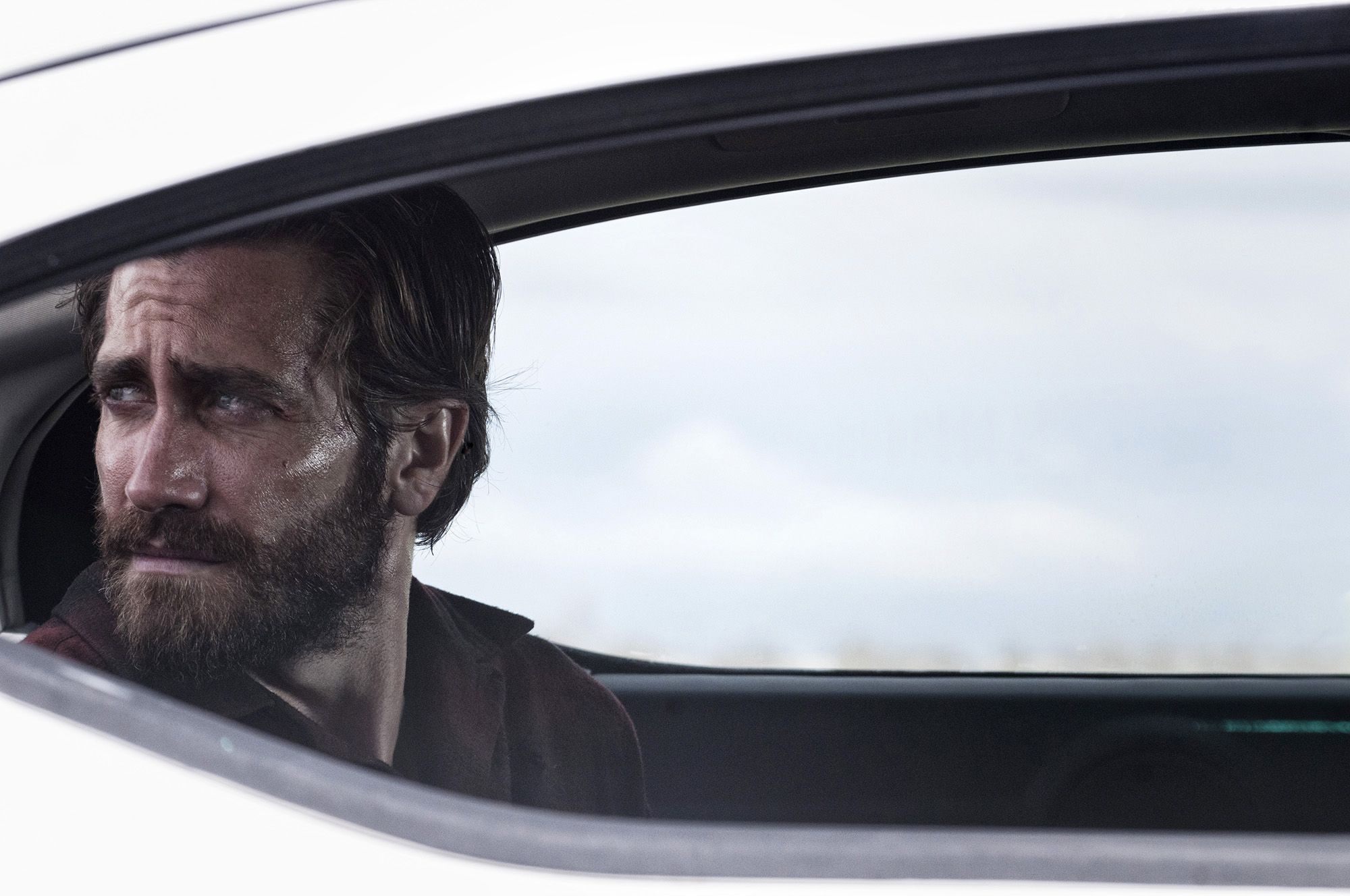
Tony Hastings is a man who freezes when it matters most, and Gyllenhaal leans into that paralysis so completely that the roadside confrontation becomes genuinely hard to watch — his hands slightly raised, his voice cracking between negotiation and collapse, doing nothing while everything is taken from him. Gyllenhaal earned a BAFTA nomination for the role, and you can feel exactly why in that scene. The same quality — that inability to act — then echoes through Edward Sheffield, the real-world author whose novel contains Tony’s story, with Gyllenhaal playing both characters in the film’s nested narrative. Watch how he holds his breath in the car window reflection just before the family is separated; that tiny physical choice reframes everything you see afterward.
5. Zodiac (2007)
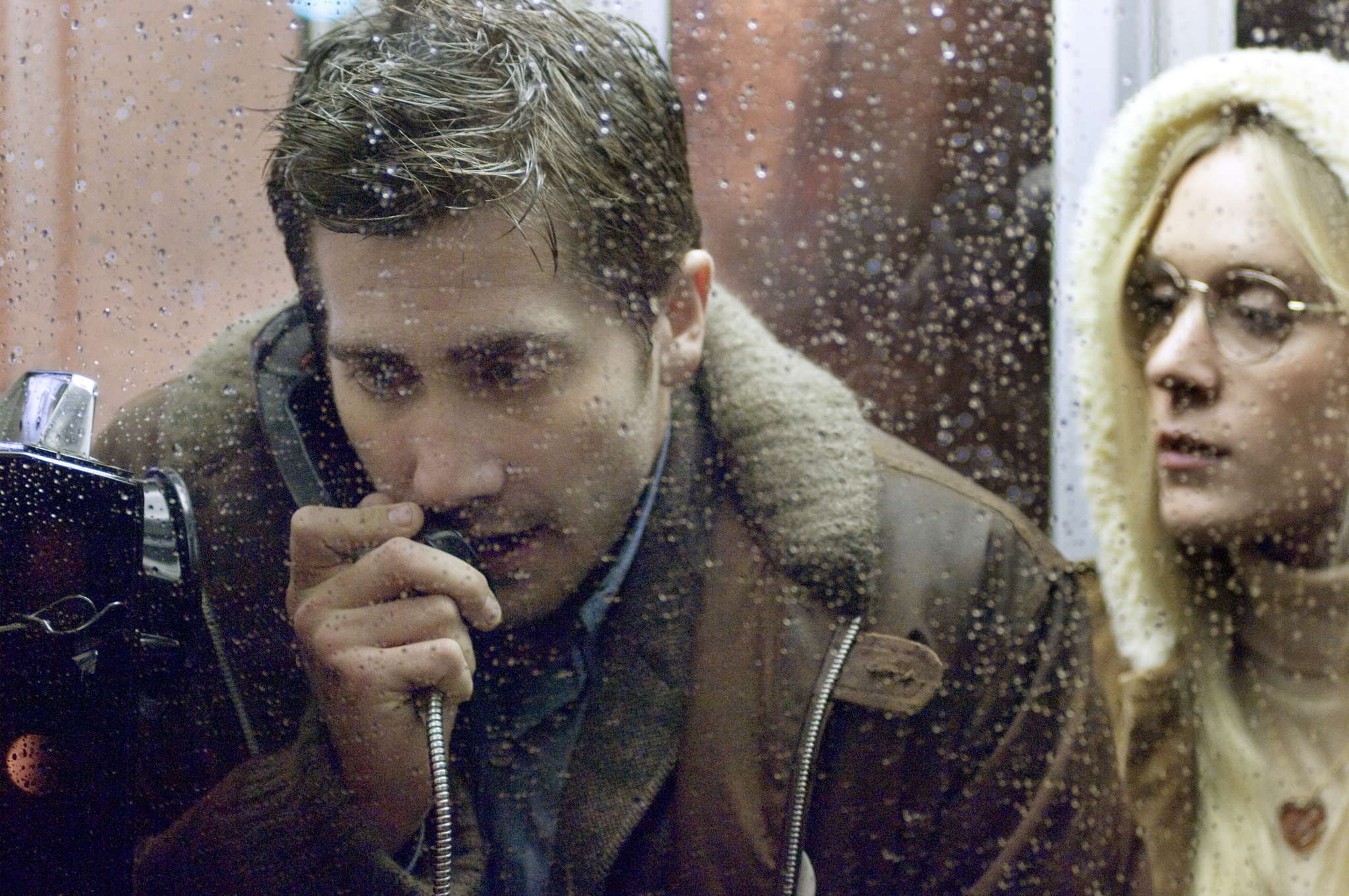
Robert Graysmith is the still center of a David Fincher film full of people coming apart, and Gyllenhaal plays that stillness as something quietly terrifying rather than reassuring. He starts as a cartoonist who can’t let go of a puzzle and ends as a man who has sacrificed his marriage, his career, and his peace of mind to a case that may never be solved. There are moments scattered throughout where Gyllenhaal conveys pure terror through Graysmith’s quiet realization that something is deeply wrong, his face doing all the work while the rest of him stays frozen. Those moments rank among the great horror-adjacent acting moments in a film that isn’t technically a horror movie. Now widely regarded as a modern procedural masterpiece, Zodiac needed Gyllenhaal to carry its emotional toll, and he does it without ever raising his voice.
4. Donnie Darko (2001)
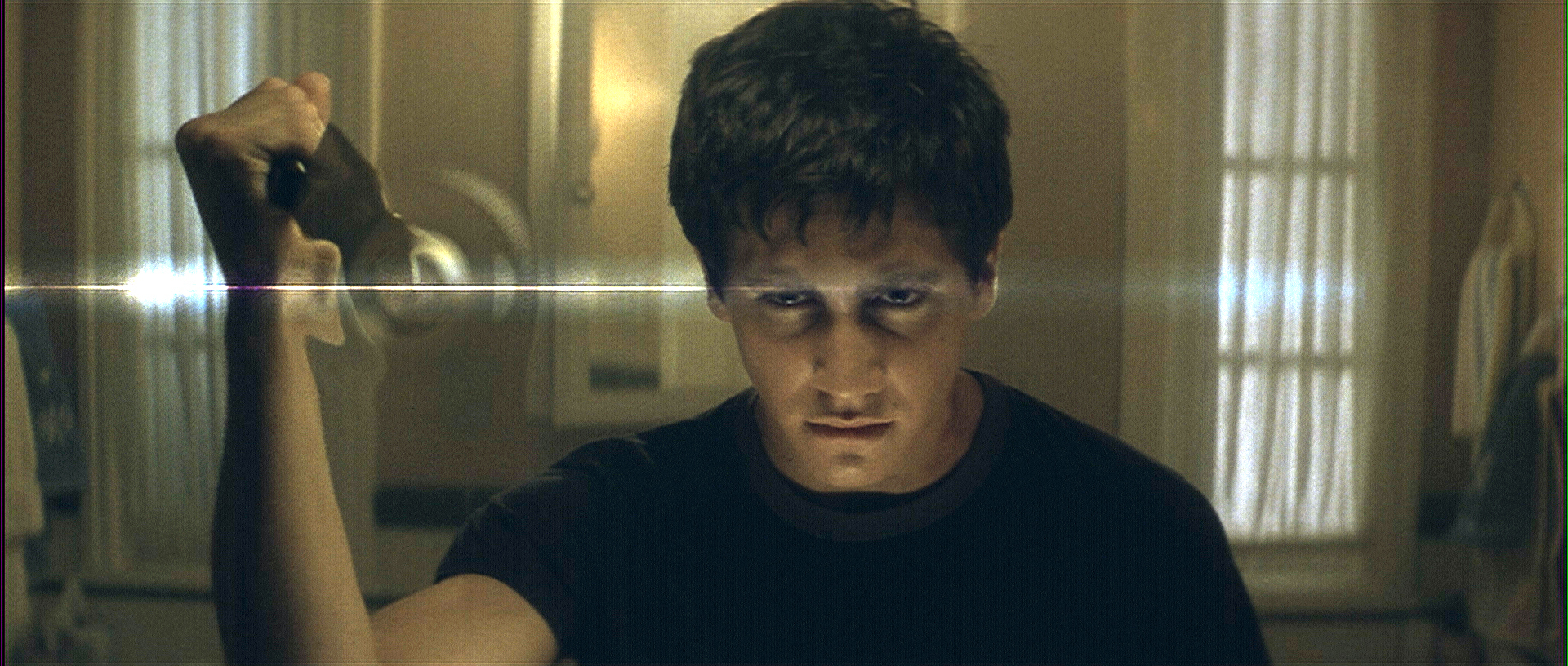
This is the role that made the world stop and pay attention. Donnie is a troubled suburban teenager navigating time loops and a six-foot bunny rabbit, and Gyllenhaal plays him with a deadpan dread that felt completely original in 2001: sardonic and searching in equal measure, funny and deeply unsettling in the same scene. The moment where Donnie asks his therapist, completely straight-faced, about his disturbing visions of a man in a rabbit suit, then pivots immediately to something genuinely dark, captures exactly how Gyllenhaal calibrated the character: always one beat ahead of where you expect him to go. The film’s cult status has only grown in the decades since, and Donnie’s specific quality is so fused with Jake’s own screen presence that the role feels like it couldn’t have existed without him.
3. Prisoners (2013)
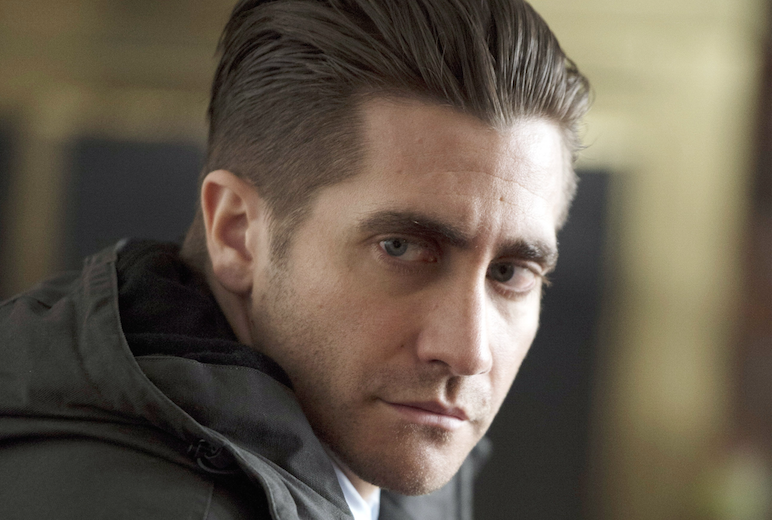
Detective Loki barely blinks. That’s not an exaggeration: Gyllenhaal made a specific choice to give the character an almost unnerving stillness in his eyes, and it communicates Loki’s barely-contained competence more effectively than any amount of dialogue could. While Hugh Jackman burns everything around him in Denis Villeneuve’s thriller, Loki holds the film’s procedural spine together through sheer physical precision: the way he reads a room, the way his hands move when he’s processing information, the tattoos that hint at a backstory the film never fully explains. Loki’s tic-ridden intensity is among the best slow-burn supporting work of that decade, and it’s a performance that gets richer every time you watch it.
2. Brokeback Mountain (2005)
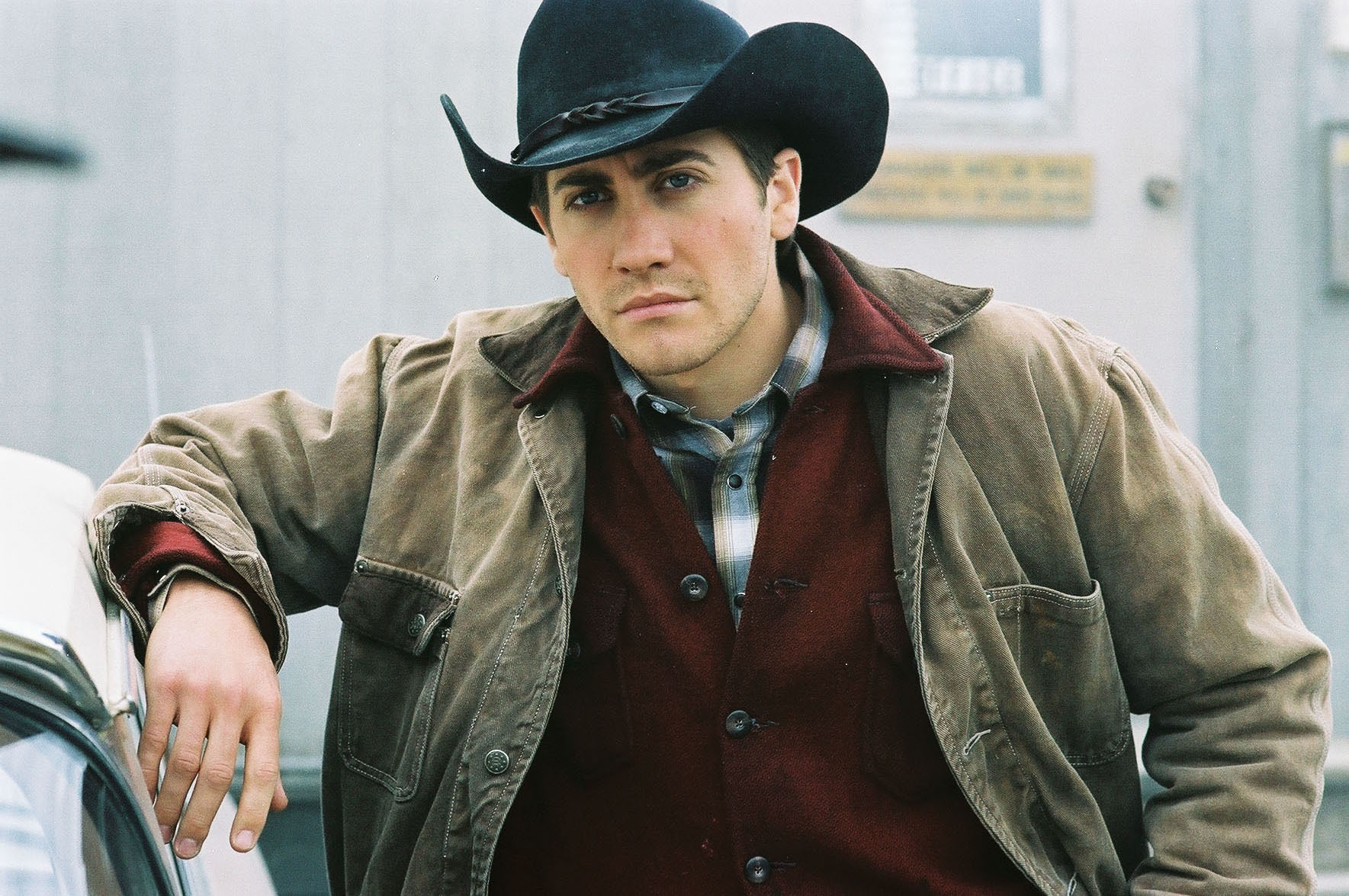
Jack Twist is restless from the first frame, a rodeo cowboy with too much feeling and nowhere to put it, and Gyllenhaal plays that restlessness as both Jack’s greatest charm and the thing that ultimately destroys him. Where Heath Ledger’s Ennis is all suppression and silence, Jack reaches toward what he wants with an openness that makes him heartbreaking to watch. There’s a moment near the end where Jack sits alone in his truck after Ennis turns him down for the last time, and Gyllenhaal lets the smile drain off his face so slowly you can almost hear something break — no dialogue, just a jaw that stops working and eyes that go somewhere far away. The chemistry between him and Ledger gave Jack a specificity that goes far beyond the film’s landmark cultural status.
1. Nightcrawler (2014)
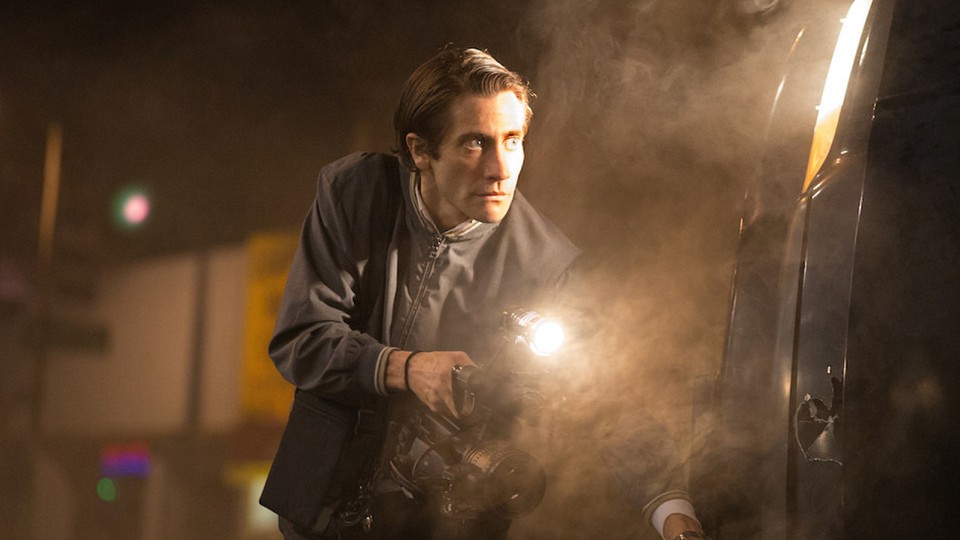
Jake Gyllenhaal adopted a gaunt, predatory physicality for Louis Bloom, but the real achievement is in the voice: Louis speaks entirely in the cadence of self-help manuals and motivational seminars, applying corporate-speak to genuine human suffering, and Gyllenhaal plays it completely straight, no winking, no invitation to laugh at the absurdity. The scene where Louis renegotiates his contract after essentially blackmailing his news director is one of the most chilling pieces of comedy-horror acting in recent memory, and it works because he never breaks character for a single frame. The film grossed over $47 million worldwide and earned BAFTA, Golden Globe, and SAG nominations. Audiences watching it felt they were seeing an actor operating at a level very few people reach, and the performance has only grown in stature since.
What’s striking about Gyllenhaal’s career is how rarely he’s made the safe choice. He followed a global blockbuster with a quiet Fincher procedural, made a paranoid art-house puzzle the same year as his most commercially successful thriller, and played a Marvel villain with the same seriousness he brought to a Villeneuve detective. That refusal to settle into a lane keeps his filmography full of real surprises, and it’s why ranking these performances is such a satisfying argument.

Written by Miranda Davies
Film & TV Enthusiast
Hi, my name is Miranda Davies, and I’ve loved film and television all of my life. Some of my earliest memories involve me and family or friends catching the latest movies, or reclining on the couch to catch some awesome television, and I want to share that passion with fellow fans like you! The best way to celebrate film and television is to chat about it with people as equally passionate as you, so this website will be dedicated to being a hub for those that want to chat about their obsessions in a safe and welcoming environment that is fun to visit!
More about the author