
Top 15 Harrison Ford Movies, Ranked
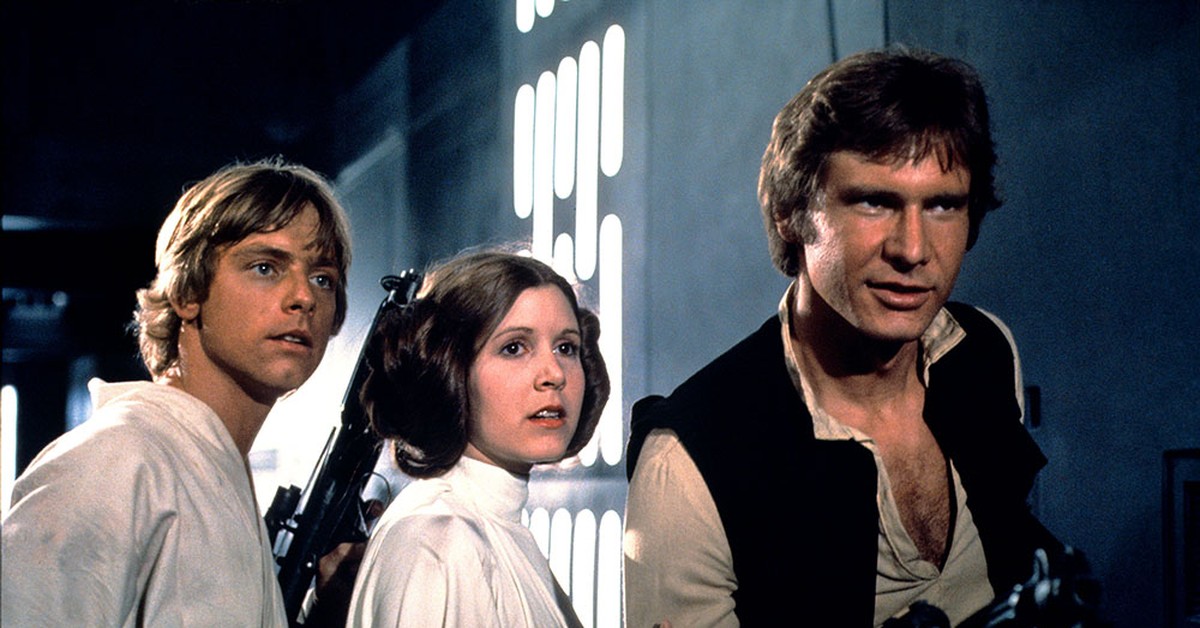
Picture the moment in Raiders of the Lost Ark when Indiana Jones, faced with a sword-wielding assassin doing an elaborate display, just pulls out his gun and shoots him. That single beat tells you everything about what made Harrison Ford special: he found the human truth in every scene, even the ones designed to be pure spectacle. At TV Hulk, we ranked these performances by how convincing and emotionally alive Ford is in each role — the moments where you forget you’re watching a movie star and just believe the person on screen. From scrappy smugglers to haunted detectives, this list covers the full range of what he brought to 40-plus years of unforgettable work.
15. Sabrina (1995)
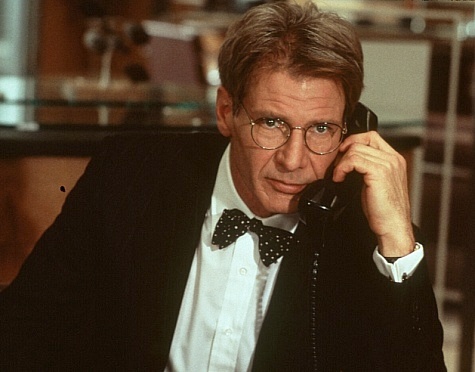
Linus Larrabee is not the flashiest role in Ford’s catalog, but there’s something quietly rewarding about watching him play a man who has built his entire personality around avoiding feeling anything. His Golden Globe nomination for Best Actor in a Comedy or Musical is worth sitting with — Hollywood rarely celebrated Ford for lighter material, and yet here he is, completely convincing as a buttoned-up businessman slowly, reluctantly falling for Julia Ormond’s Sabrina. The best moments come when Linus’s careful composure starts to crack and Ford lets just enough warmth leak through to make the romance feel earned. Sydney Pollack’s remake isn’t perfect, but Ford’s performance is quietly better than its reputation.
14. Working Girl (1988)
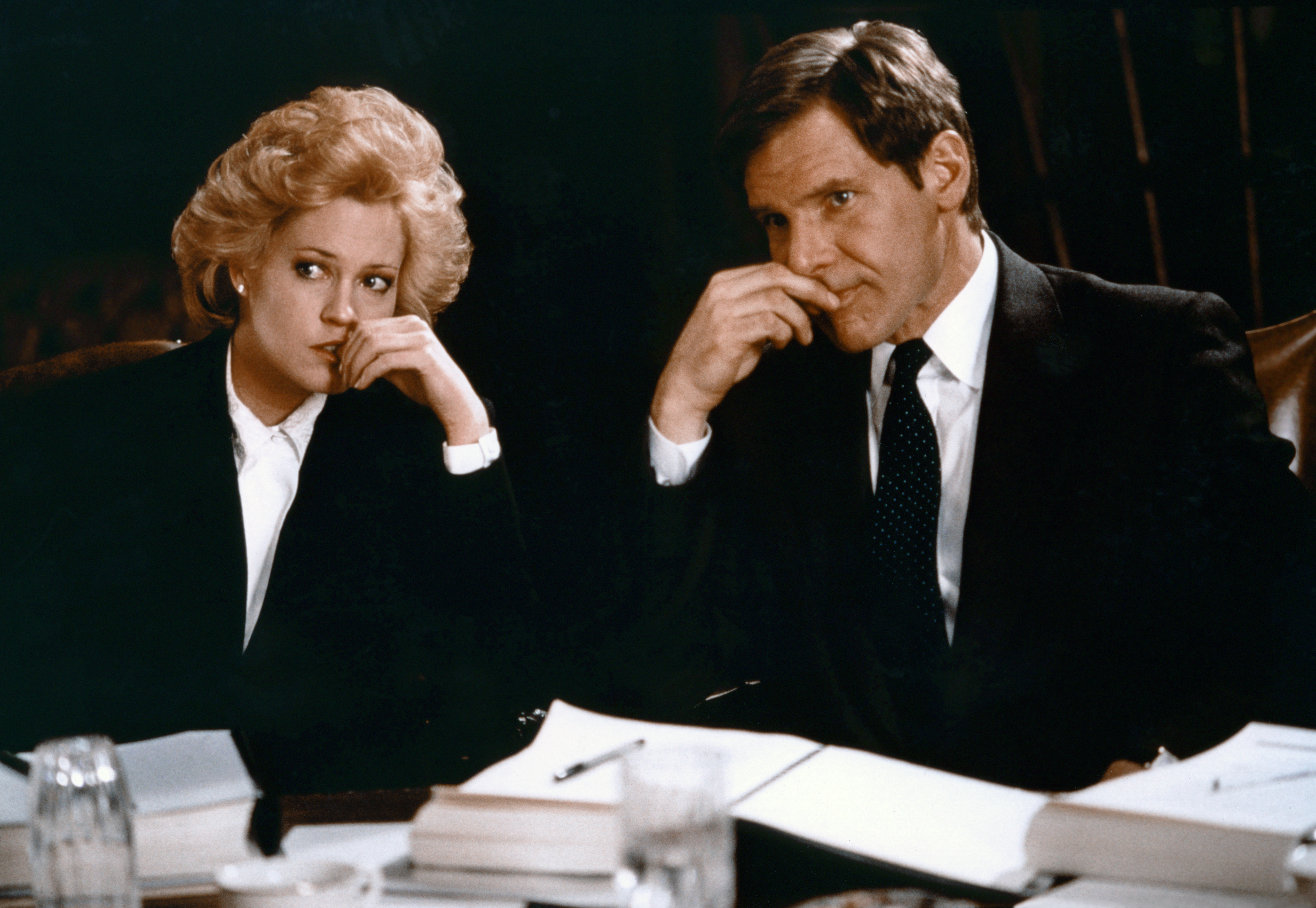
Jack Trainer could have been a thankless role, the love interest in someone else’s story, but Ford brings an easy, unforced charm to Mike Nichols’ workplace comedy that makes him a genuine pleasure to watch. He never tries to upstage Melanie Griffith or Sigourney Weaver, and that generosity is actually what makes his scenes land. There’s a relaxed, self-deprecating quality to Trainer that you don’t always get from Ford, particularly in the scenes where Jack is clearly out of his depth socially and just rolls with it. That quality comes through perfectly in the moment where he sheepishly admits he crashed Tess’s pitch meeting uninvited, fumbling through his explanation with a goofy, disarming grin that makes you completely forgive him on the spot.
13. Frantic (1988)
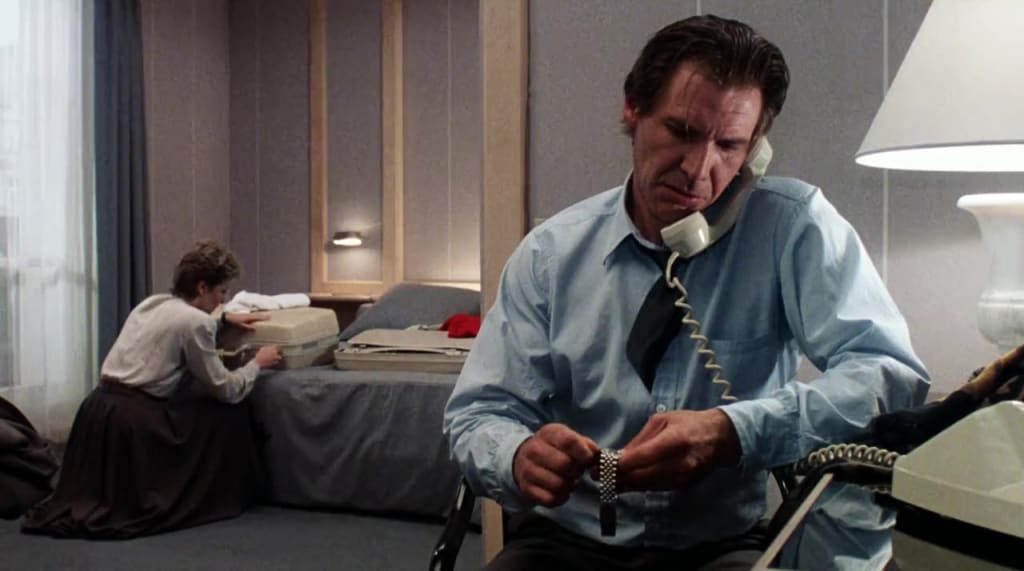
Dr. Richard Walker starts the film as a man on a routine Paris trip with his wife, and Ford plays that ordinariness with total commitment, which makes the moment she vanishes from their hotel bathroom hit like a cold splash of water. Roman Polanski’s thriller gives Ford a very specific emotional register to work in: not action-hero competence, but the helpless, escalating panic of someone who doesn’t speak the language, doesn’t know who to trust, and can feel the situation slipping further out of control with every passing hour. The Hitchcockian atmosphere and Ford’s grounded, unglamorous work drew strong notices, even if the film didn’t find a wide audience at the time. It’s a genuinely underseen corner of his filmography, and the performance is worth revisiting specifically for the scene where he tries to report his wife missing to a hotel clerk who keeps deflecting — Ford’s frustration curdling into something closer to dread in real time.
12. What Lies Beneath (2000)

For most of What Lies Beneath, Ford plays Dr. Norman Spencer as a supportive, slightly distracted husband, and he’s so convincing in that mode that the mid-film reveal of what Norman has actually been hiding hits like a freight train. Playing the threat rather than the hero was a real departure, and Ford commits to it fully, particularly in the chilling bathroom sequence where the mask comes completely off and you see something cold and calculating behind those familiar eyes. The film crossed $291 million worldwide, which means a huge audience watched Harrison Ford deliver real menace on screen, and most of them probably weren’t expecting it. That willingness to let audiences distrust him is what makes this one stick.
11. Jack Ryan Franchise (1992–1994)
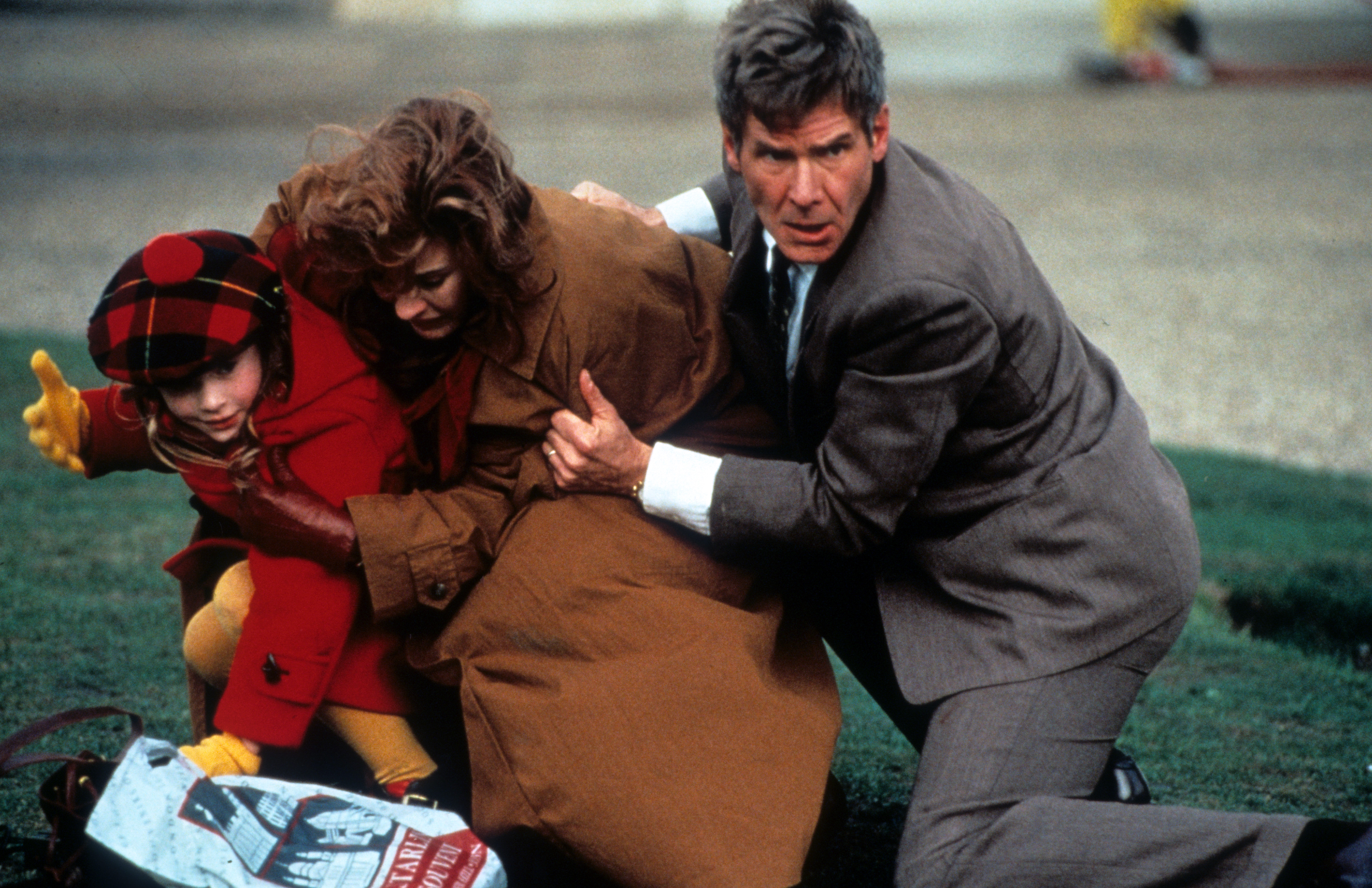
Ford’s two turns as Tom Clancy’s CIA analyst, in Patriot Games and Clear and Present Danger, gave him a hero defined by intelligence and principle rather than physical invincibility, and that distinction matters. Jack Ryan wins because he’s right, not because he’s unbeatable, and Ford plays that moral stubbornness with a quiet conviction that suits the character perfectly. Clear and Present Danger is the stronger film, a tightly plotted political thriller with a scene where Ryan faces down the President in the Oval Office and refuses to back down, one of Ford’s best “ordinary man holding the line” moments. That Oval Office confrontation works so well because Ford keeps Ryan’s anger completely controlled, making the refusal feel more dangerous than any outburst could.
10. 42 (2013)
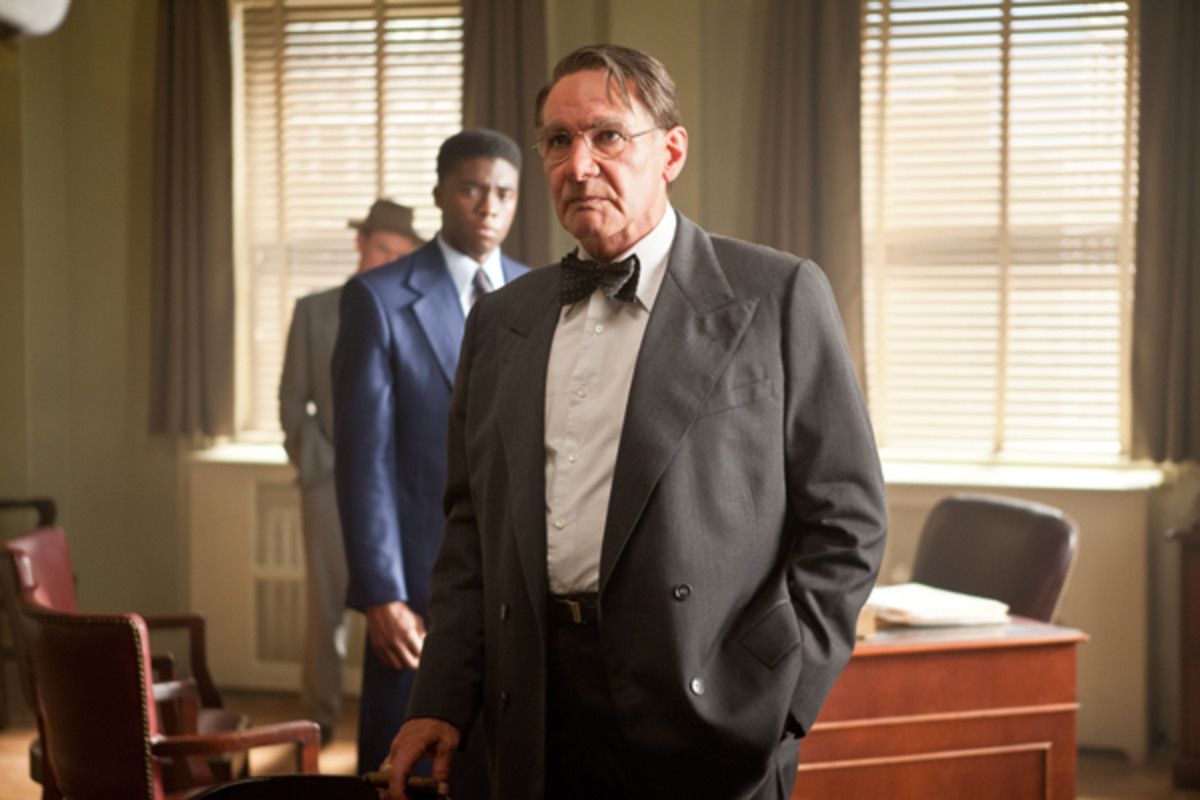
Branch Rickey arrives in 42 like a force of nature, and Ford clearly relished every second of it. This is a big, theatrical, fully committed performance: Rickey chewing a cigar, delivering speeches about justice and baseball with total conviction, filling every room he enters. The scene where Rickey explains to Jackie Robinson exactly what abuse he’ll face and why he must absorb it without fighting back is the film’s most powerful exchange, and Ford plays it with fierce, complicated love for what Robinson is being asked to endure. His chemistry with Chadwick Boseman gives 42 its emotional backbone, and it’s the rare late-career Ford role where critics and audiences agreed completely: he was the best thing in the movie.
9. The Mosquito Coast (1986)
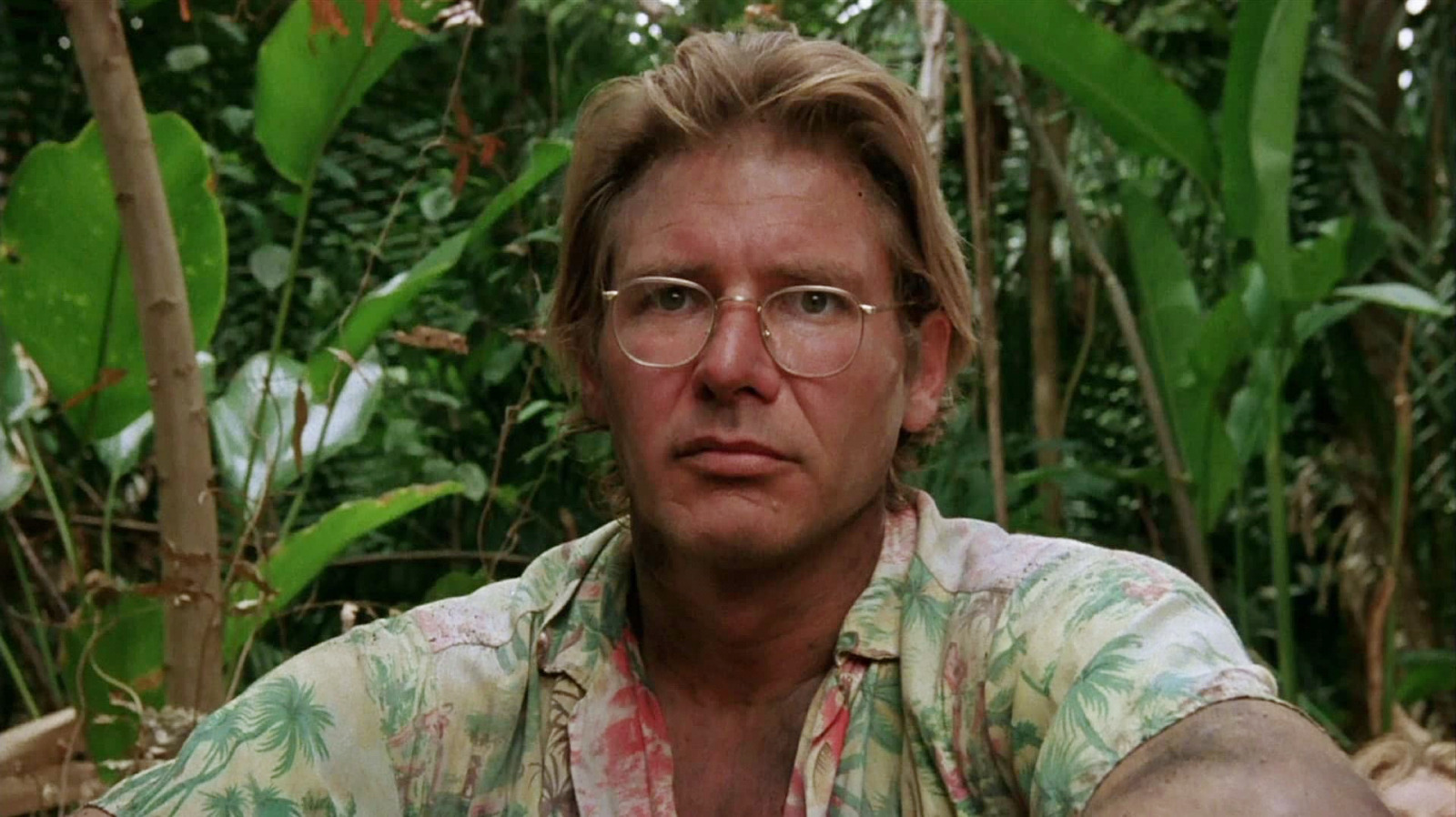
Allie Fox is the most uncomfortable Ford has ever made an audience feel, and that’s precisely the point. His Golden Globe-nominated performance as a brilliant, charismatic idealist who uproots his family and drags them into the Central American jungle is riveting from the start. What makes it so deeply unsettling is watching the slow erosion of Allie’s grip on reality. Ford plays the transition from visionary to tyrant in increments so gradual you almost miss it happening. The scene where Fox destroys the ice machine he spent everything building, convinced he’s still winning, captures a man completely severed from consequence. The film struggled at the box office partly because audiences weren’t ready to follow their action hero into this kind of darkness, but that discomfort has only made it more interesting with time.
8. Blade Runner 2049 (2017)
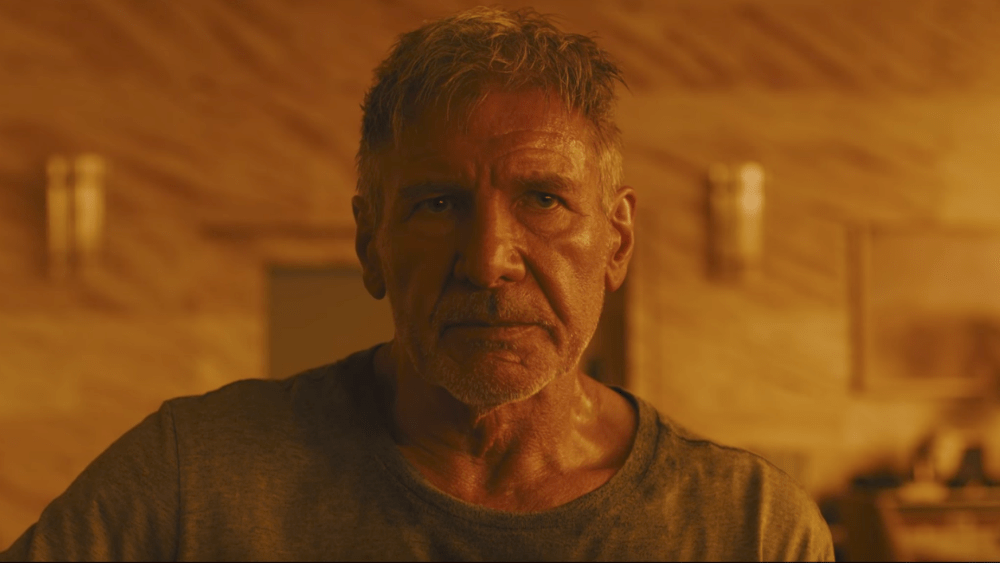
Coming back to Rick Deckard 35 years after Blade Runner could have been a nostalgia exercise, but Ford plays the reunion with a haunted, stripped-down quality that feels honest to where the character would actually be. This is a man who has spent decades hiding alone in an abandoned casino, and when Ryan Gosling’s K finally finds him, Ford doesn’t play it as a triumphant return. He plays Deckard as someone who has made peace with disappearing. The fight sequence between them, half-lit by flickering holographic ghosts of Elvis and Marilyn Monroe, is one of the stranger and more memorable action scenes of that decade. Ford brings enough genuine weight to the whole thing that the film never feels like it’s coasting on the original’s reputation.
7. Presumed Innocent (1990)
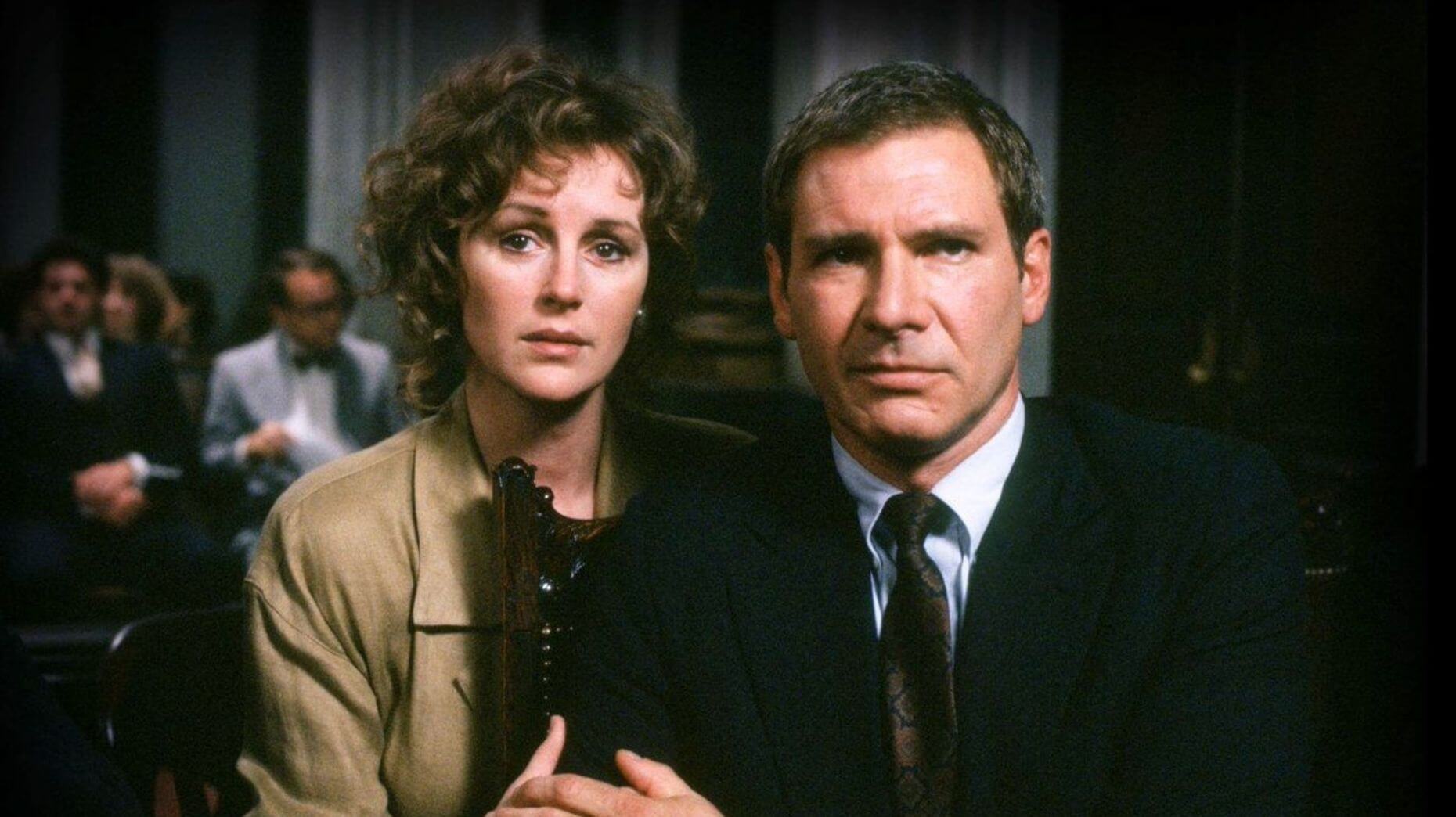
Rusty Sabich is a prosecutor who may or may not have murdered his mistress, and Ford plays the entire film in a state of coiled, barely suppressed guilt that leaves you unsure about what he’s capable of. There are no action sequences to fall back on here, just Ford in rooms, being questioned, watching his life come apart, and trying to hold his face together. The courtroom scenes are tense in a very specific, procedural way, and Ford’s stillness under pressure is exactly the right instrument for them. The film found a wide audience on the strength of that performance, and the final revelation works as well as it does because Ford spent two hours making you believe Rusty was both innocent and guilty at the same time.
6. Air Force One (1997)
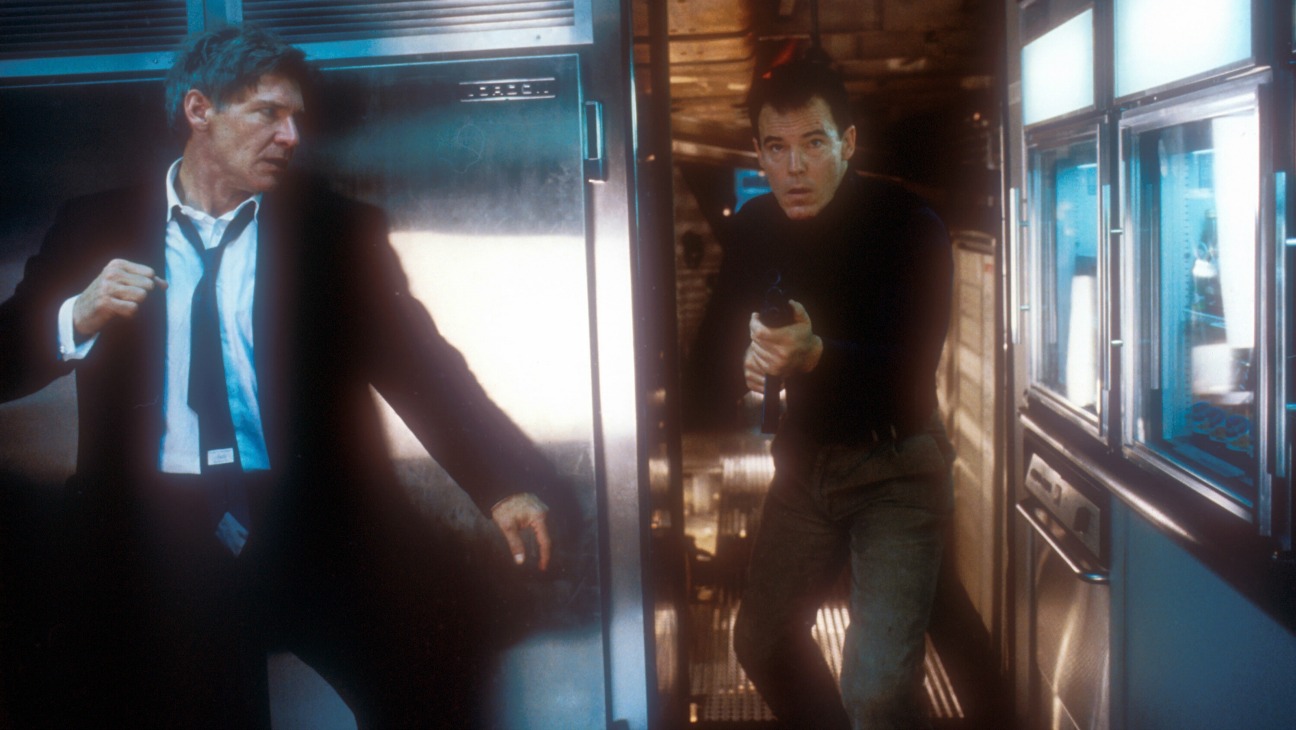
“Get off my plane” is one of the most quoted action movie lines of the ’90s, and it works because Ford earns it. President James Marshall isn’t just a politician who happens to be tough. Ford plays him as someone with a genuine moral core, a man whose opening speech about never negotiating with terrorists comes back to haunt him when terrorists take over his plane. He has to decide whether he meant it — and Ford plays that moment not as heroic resolve but as a guy visibly calculating the cost. Audiences bought completely into Ford’s version of presidential authority, and he brings enough real gravitas that the movie never tips into pure fantasy. The scene where Marshall takes out a Secret Service agent in the cargo hold, alone, improvising, scared, keeps the whole thing grounded in something that feels like actual stakes.
5. The Fugitive (1993)
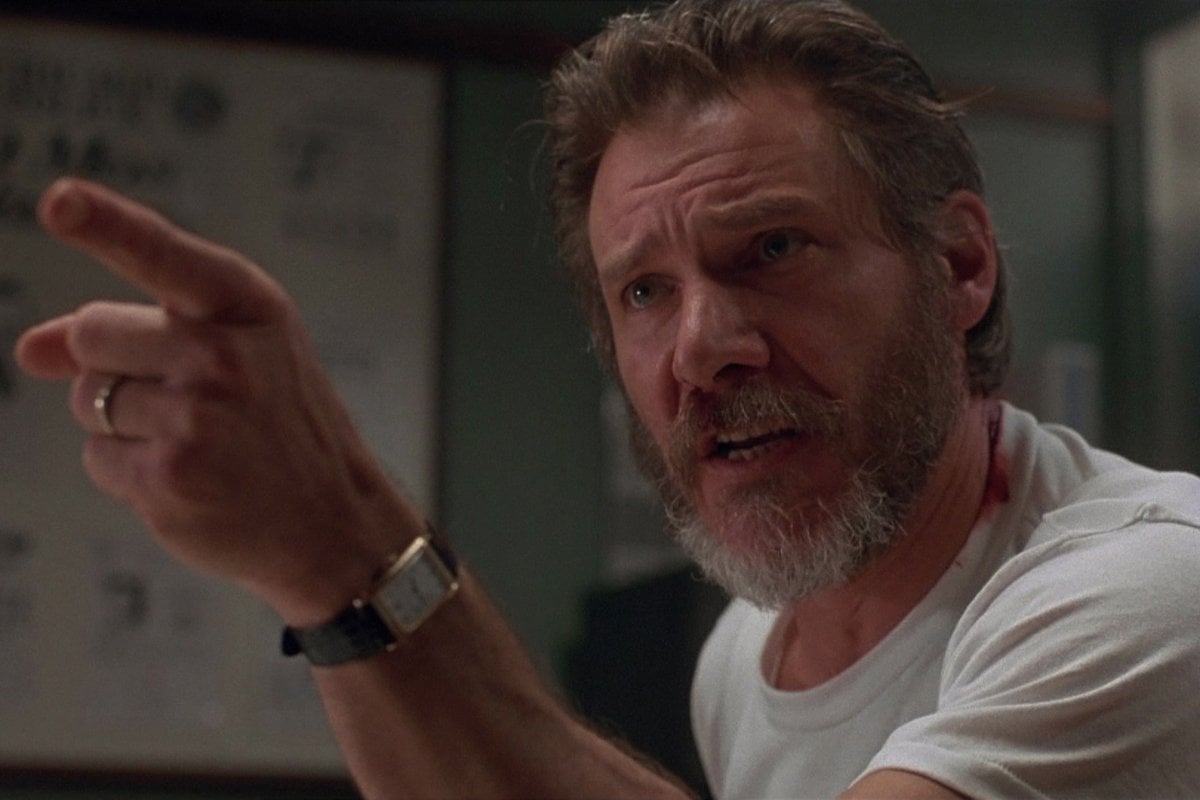
Dr. Richard Kimble is innocent, and Ford plays that innocence as something physically exhausting to carry. His Golden Globe-nominated performance works because he never lets Kimble become superhuman. The man is terrified throughout, running on adrenaline and grief, and every close call feels like it could go wrong rather than choreographed. The “I didn’t kill my wife” scene opposite Tommy Lee Jones, delivered in a drainage tunnel with a gun in his face, is one of the decade’s great acting exchanges: Ford plays it with raw, desperate sincerity that drives the injustice straight through you. The Fugitive earned multiple Oscar nominations including Best Picture, and it remains the best pure thriller of Ford’s peak years, a film where his reactive, emotionally honest work is the engine that makes everything else run.
4. Witness (1985)
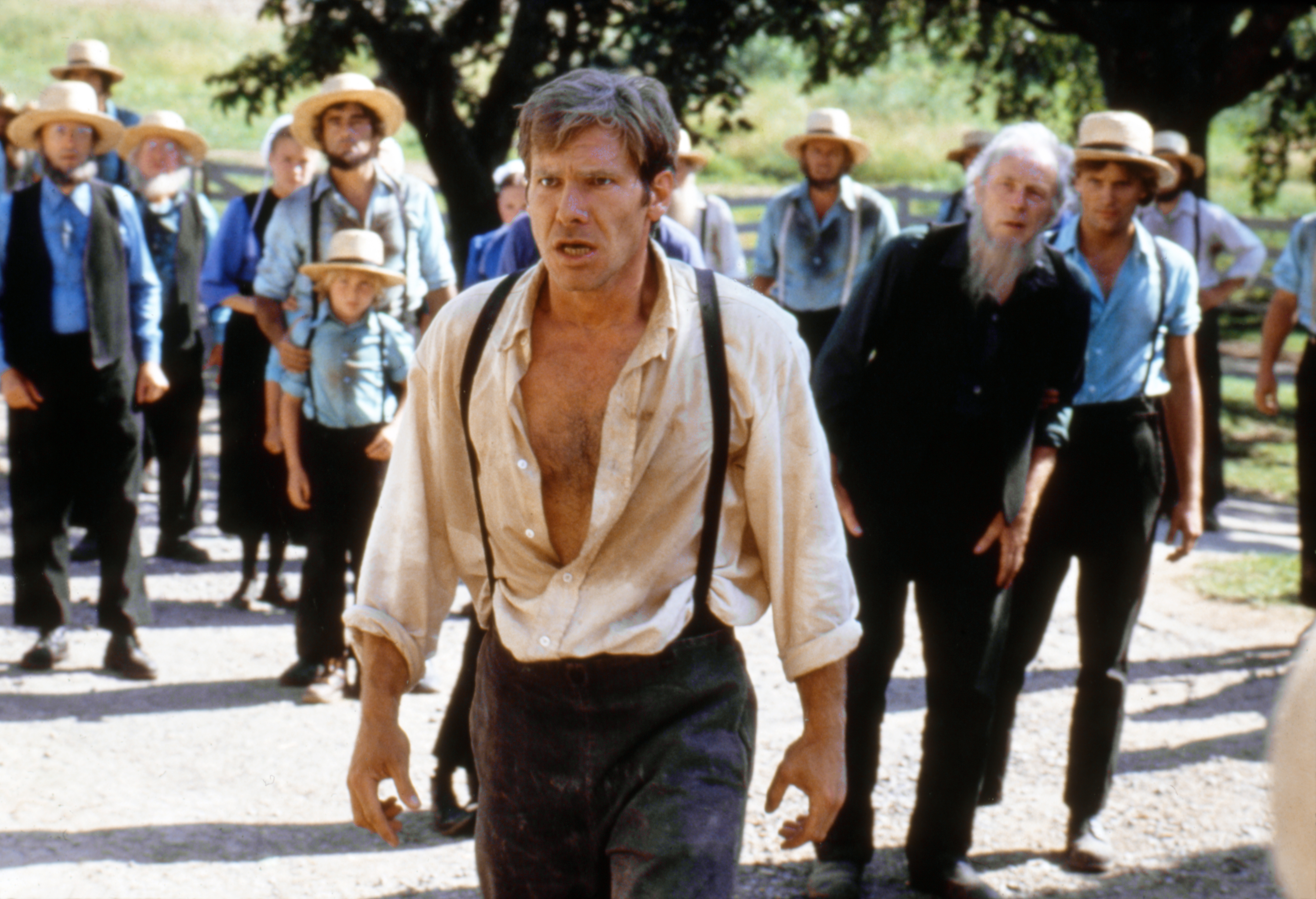
John Book is the role that proved Ford could do something entirely different, and he seized the opportunity. His Academy Award nomination, the only one of his career, came for a performance that is patient, tender, and full of unexpected depth: a Philadelphia detective hiding in an Amish community, learning to slow down, falling into a quiet romance with Kelly McGillis, and finding that the world he came from looks uglier the further he gets from it. The barn-raising sequence is the film’s emotional centerpiece, and Ford plays Book watching the community work together with a longing that doesn’t need dialogue to land. Both the Oscar and BAFTA nominations were recognizing a full performance built on exactly that kind of restraint — the way Ford lets Book’s jaw tighten slightly, his hands go still, and his eyes do the work that another actor would have handed to a speech.
3. Blade Runner (1982)
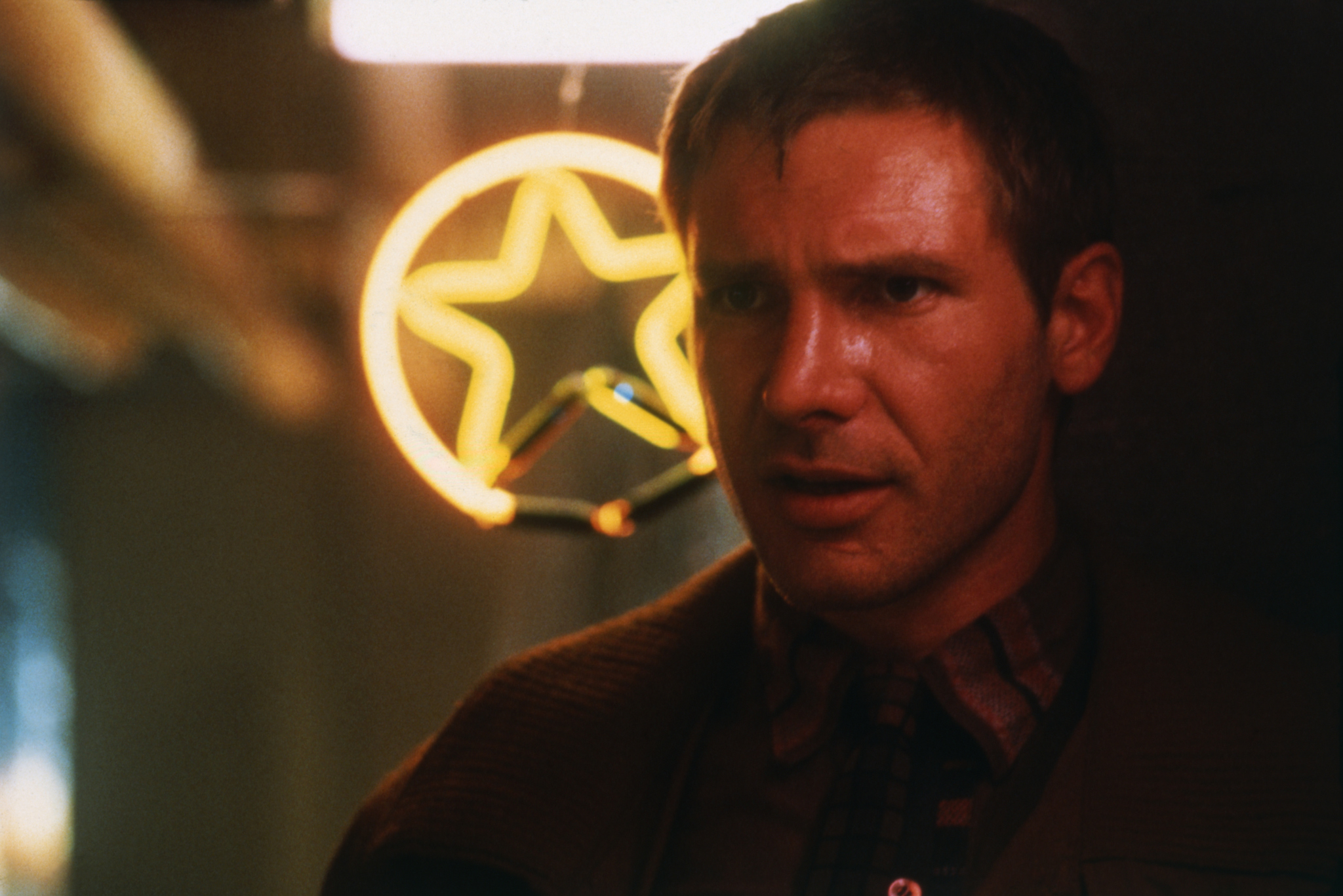
Rick Deckard is a man doing a job he despises, hunting down beings he’s not entirely sure are less human than he is, and Ford plays that moral exhaustion with a minimalism that gets richer every time you watch the film. Blade Runner flopped on release and divided critics, but Deckard became one of the most discussed characters in science fiction history. The question of whether he’s actually a replicant has fueled genuine debate for over 40 years, and that ambiguity lives entirely in Ford’s performance. The scene where Deckard sits at his piano, staring at photographs that may or may not be memories, carries enormous weight in just a few quiet seconds. Ford reportedly disagreed with Ridley Scott’s interpretation of the character, which makes it all the more remarkable that his performance contains enough to support both readings simultaneously.
2. Indiana Jones Franchise (1981–2023)
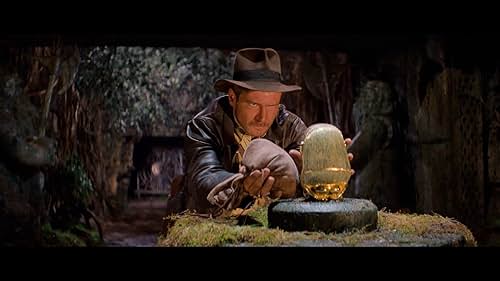
Raiders of the Lost Ark introduced Indiana Jones to the world, and Ford’s performance set a template for adventure heroes the genre is still working from. The fedora and whip are iconic, but what makes Indy work is Ford’s commitment to playing him as someone who gets hurt, gets scared, and wins through stubbornness and luck as much as skill. The moment where he just shoots the swordsman rather than fight him is funny because it’s so deeply human. The Last Crusade is the franchise’s emotional peak, with Ford and Sean Connery building a father-son dynamic that gives the action genuine stakes. Watch how Ford physically deflates whenever Connery calls him “Junior” — his shoulders drop and his jaw tightens in a way that tells you everything about that relationship without a word of explanation. His return in Dial of Destiny carried that same weight, Ford letting exhaustion and grief sit visibly on Indy’s face in a way the earlier films never needed.
1. Star Wars Franchise (1977–2019)
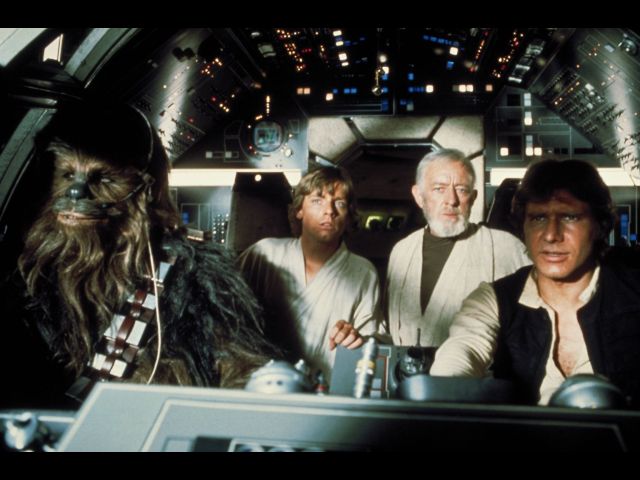
Han Solo is the role Harrison Ford will always be remembered for first, and it’s not hard to understand why. The character could have been a simple mercenary sidekick, but Ford played him with a swagger and warmth that made Solo the emotional center of the original trilogy. The one who didn’t believe in the Force, didn’t sign up for the cause, and kept showing up anyway. From the Mos Eisley cantina to the carbon-freezing chamber to the Millennium Falcon cockpit in The Force Awakens, Ford inhabited Solo so completely that the character became inseparable from the actor. Solo’s death, Ben driving a lightsaber through his father on that bridge while Han reaches up to touch his son’s face one last time, hit audiences like a gut punch decades in the making. That scene only works because Ford spent nearly 40 years making us love this man, and he played that final moment with a heartbreaking, wordless grace the whole franchise had been building toward without anyone quite knowing it.
Now bringing that same grounded presence to Jacob Dutton in 1923 and the wonderfully prickly Dr. Paul Rhoades in Shrinking, Ford still pulls off what he first cracked open in that Mos Eisley cantina: making a cocky half-smile feel like the most honest thing in the room.

Written by Miranda Davies
Film & TV Enthusiast
Hi, my name is Miranda Davies, and I’ve loved film and television all of my life. Some of my earliest memories involve me and family or friends catching the latest movies, or reclining on the couch to catch some awesome television, and I want to share that passion with fellow fans like you! The best way to celebrate film and television is to chat about it with people as equally passionate as you, so this website will be dedicated to being a hub for those that want to chat about their obsessions in a safe and welcoming environment that is fun to visit!
More about the author