
Top 15 Donald Sutherland Movies, Ranked
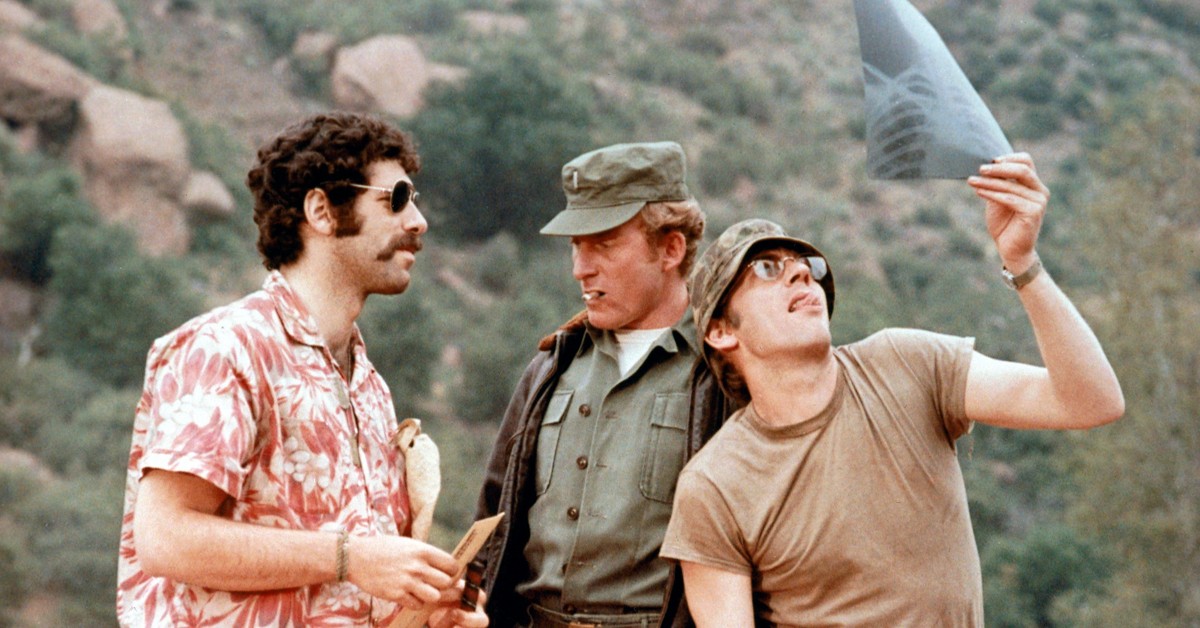
There’s a moment in M*A*S*H where Hawkeye Pierce delivers a punchline with such casual, bone-dry timing that you realize you’re watching someone who doesn’t need to try hard to be magnetic. Donald Sutherland just is it. Over six decades, he played war heroes, grieving fathers, Nazi spies, dystopian villains, and everything in between, and he almost never repeated himself. At TV Hulk, we ranked these performances by how completely Sutherland disappeared into each role and how much the performance stayed with us long after the credits rolled. Iconic characters, unforgettable scenes, and the quiet moments that hit hardest — that’s the standard here.
15. The Italian Job (2003)
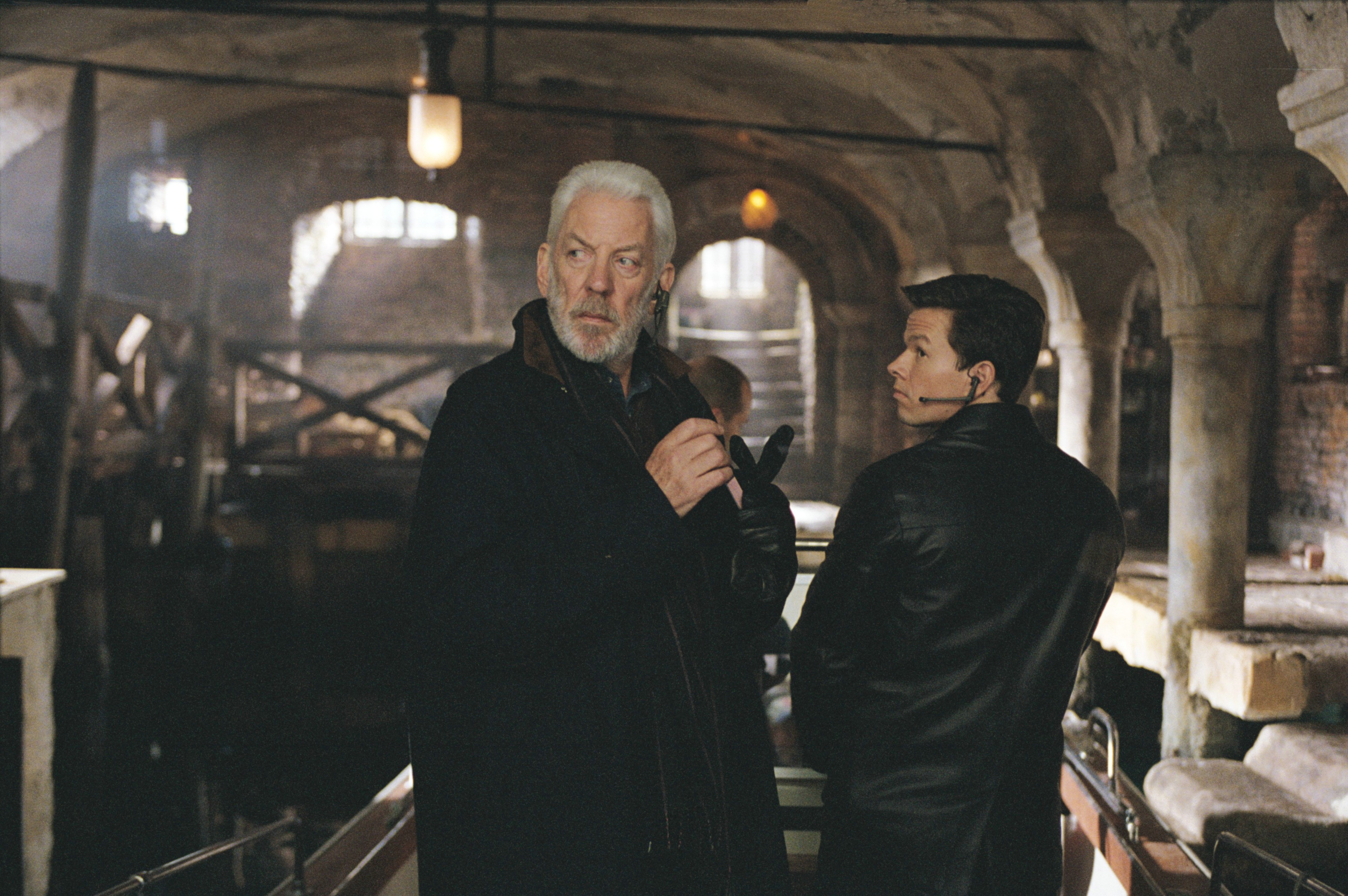
Character: John Bridger
John Bridger is the kind of role that could easily coast on charm alone, but Sutherland makes him feel like a real person with a real history in the few minutes he’s on screen. His easy rapport with Mark Wahlberg’s Charlie gives the film its emotional foundation, and there’s a warmth in the way Bridger talks about his daughter (played by Charlize Theron) that makes his early exit from the story actually sting. The silver-fox charisma is effortless, but it’s the small, specific details — the way he handles a safe like he’s greeting an old friend — that land hardest, particularly that quiet half-smile he gives just before the Venice job goes sideways.
14. A Dry White Season (1989)
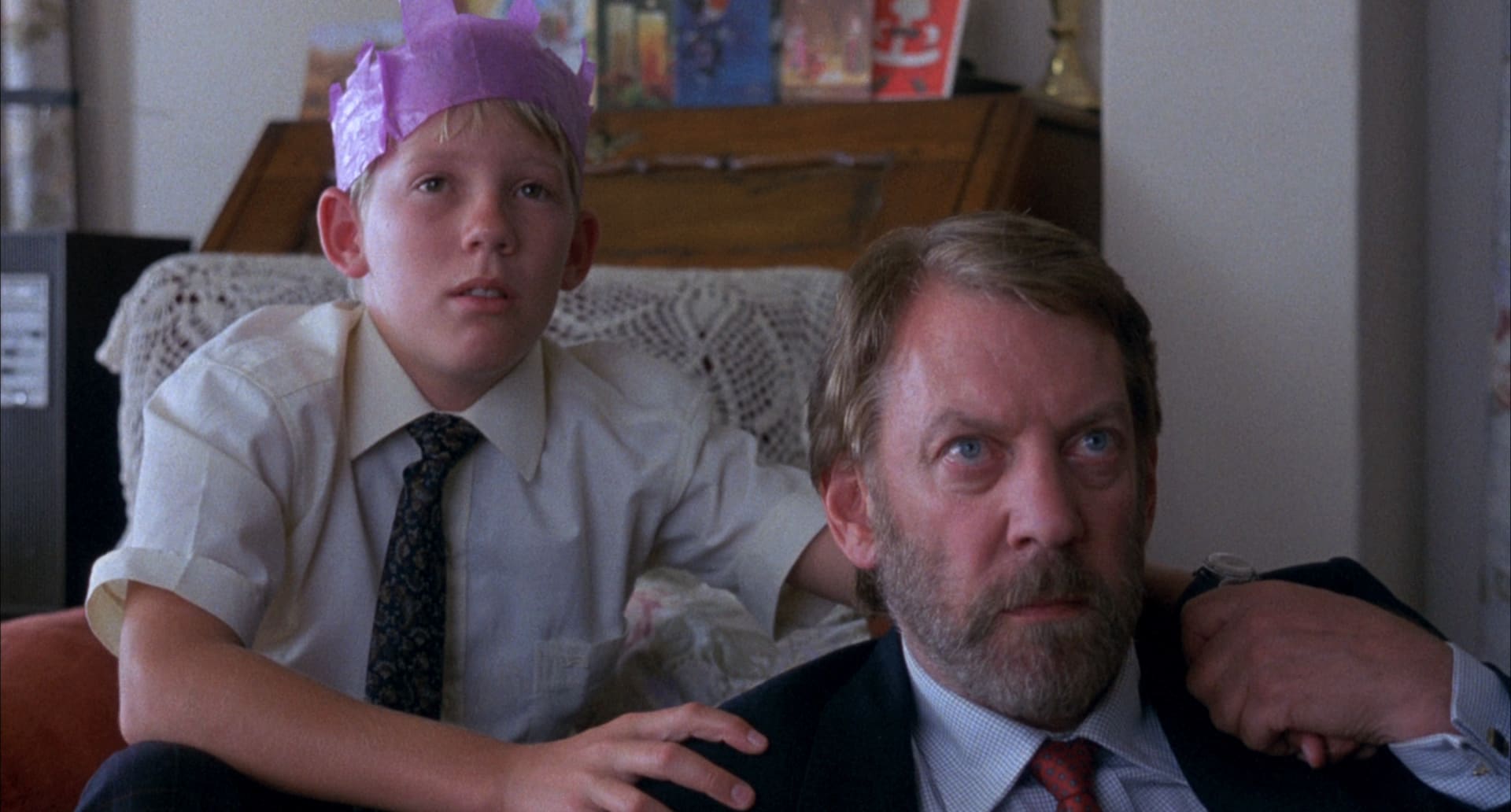
Character: Ben du Toit
Ben du Toit starts the film as a man who genuinely believes the system he lives inside is fair, and watching Sutherland dismantle that belief piece by piece is what makes this underseen apartheid drama so affecting. He plays the awakening not as a dramatic conversion but as a slow, reluctant erosion, the kind where every new piece of information costs Ben something he can’t get back. There’s a scene where he sits alone after learning the full truth of what happened to his gardener’s family, and Sutherland does almost nothing , no big speech, no tears , and it lands harder than any monologue could. The film deserved a much wider audience.
13. The Dirty Dozen (1967)
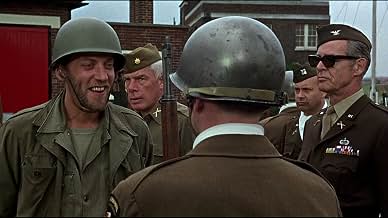
Character: Vernon Pinkley
This is where it all started. Vernon Pinkley is a small role in a film packed with big personalities, but Sutherland found his moment and made it count. The inspection scene, where Pinkley impersonates a general with complete, straight-faced confidence while the real brass stand right there watching, lands as flat-out hilarious and shows a performer who understood exactly how to steal a scene without mugging for the camera. It’s a light touch in a film that mostly trades in macho swagger. The Dirty Dozen didn’t make Sutherland a star overnight, but it put him in the conversation, and the rest of the decade proved that was all the opening he needed.
12. Without Limits (1998)
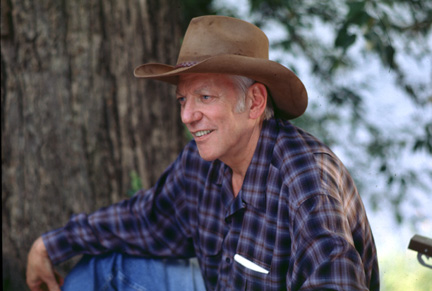
Character: Bill Bowerman
Bill Bowerman is the kind of supporting role that can disappear into the background of a sports biopic, propping up the lead and not much else. Sutherland refuses to let that happen. His Bowerman is gruff and principled and occasionally infuriating, a coach who believes, with total conviction, that he’s preparing Steve Prefontaine for something larger than running, and you believe every word of it. There’s a scene where Bowerman dresses down Prefontaine after a race where Sutherland goes almost completely still, arms crossed, voice dropping to just above a murmur, and somehow that physical shutdown lands harder than any shouting match could — it’s the kind of choice that makes you rewind.
11. Backdraft (1991)
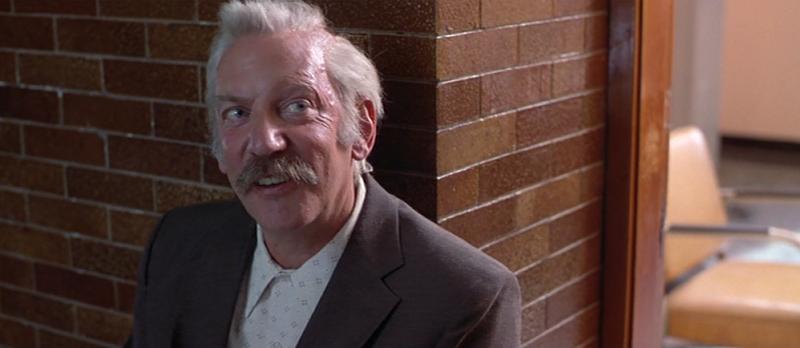
Character: Ronald Bartel
Ronald Bartel is locked in a prison cell for most of his screen time, and he’s still the most unsettling presence in a film that includes Robert De Niro and Kurt Russell. Sutherland plays a convicted arsonist who talks about fire the way other people talk about love, with a hushed, almost reverent intensity that makes your skin crawl. His scenes with Billy Baldwin’s investigator have a strange, hypnotic quality: Bartel is clearly enjoying himself, clearly holding something back, and you can never quite tell how much of what he says is truth and how much is performance. In a big, loud, effects-driven blockbuster, Sutherland found the quietest corner and made it the most memorable address in the building.
10. Animal House (1978)
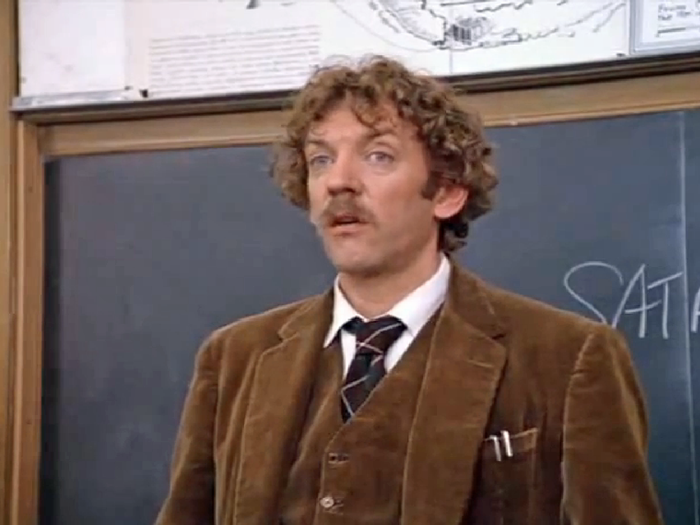
Character: Professor Dave Jennings
Professor Jennings has maybe fifteen minutes of screen time total, and Sutherland fills every second of it with a specific, beautifully calibrated deadpan. His delivery of “Don’t write this down, but I find Milton probably as boring as you find Milton” has been quoted in classrooms and dorm rooms for going on fifty years, and it works because he plays it completely straight, no wink, no nudge, just a man who has long since given up on the curriculum and found a strange kind of peace in that. Watch how he barely moves during the pot scene on the lawn — he lets the stillness do the work, and somehow that physical flatness makes every line land twice as hard.
9. Eye of the Needle (1981)
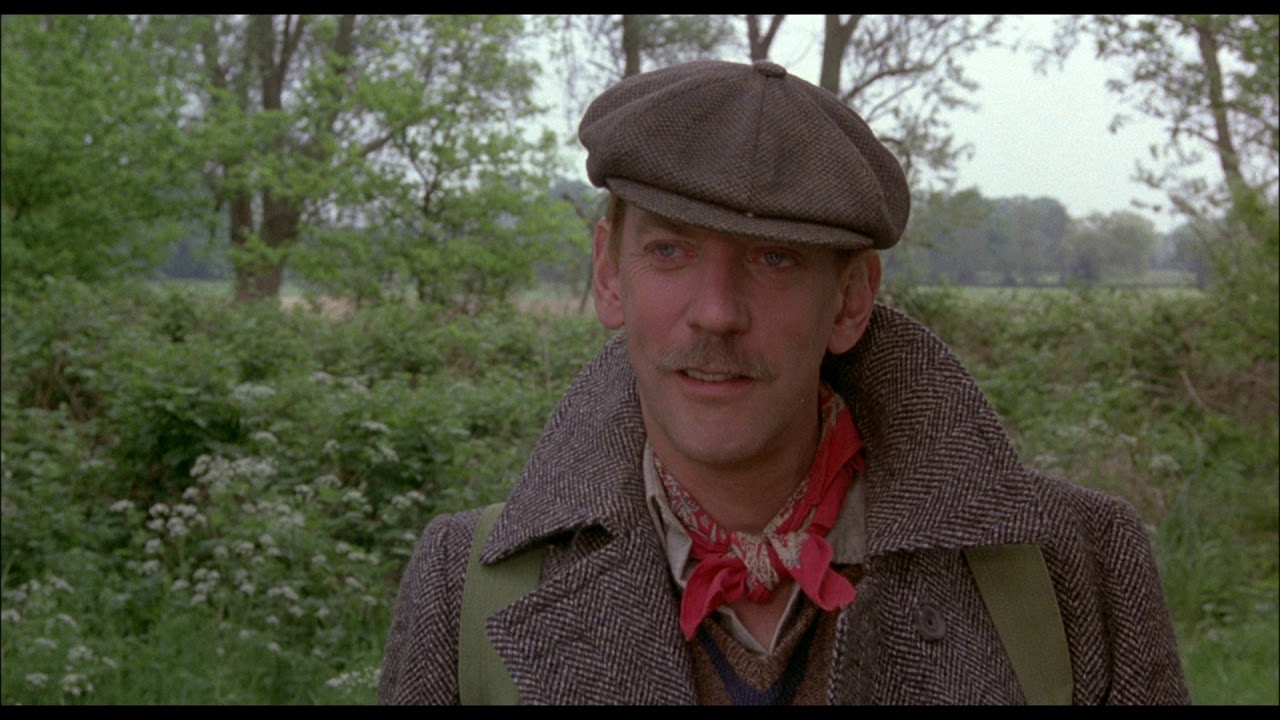
Character: Henry Faber
Henry Faber kills people with a stiletto blade and barely changes expression, and that stillness is exactly what makes Sutherland’s performance here so effective. He plays this World War II Nazi spy with a controlled, almost clinical economy, charming enough to make you understand why people trust him, cold enough to leave every scene weighted with dread that something terrible is about to happen. The film’s central tension hinges entirely on whether the audience can believe that a woman would fall for this man while also fearing him, and Sutherland makes both things feel completely true at the same time. The moment Faber looks up from Lucy’s sleeping face and his expression just empties out — warmth gone, mission back — is the single beat that tells you everything about who this man actually is.
8. Pride & Prejudice (2005)
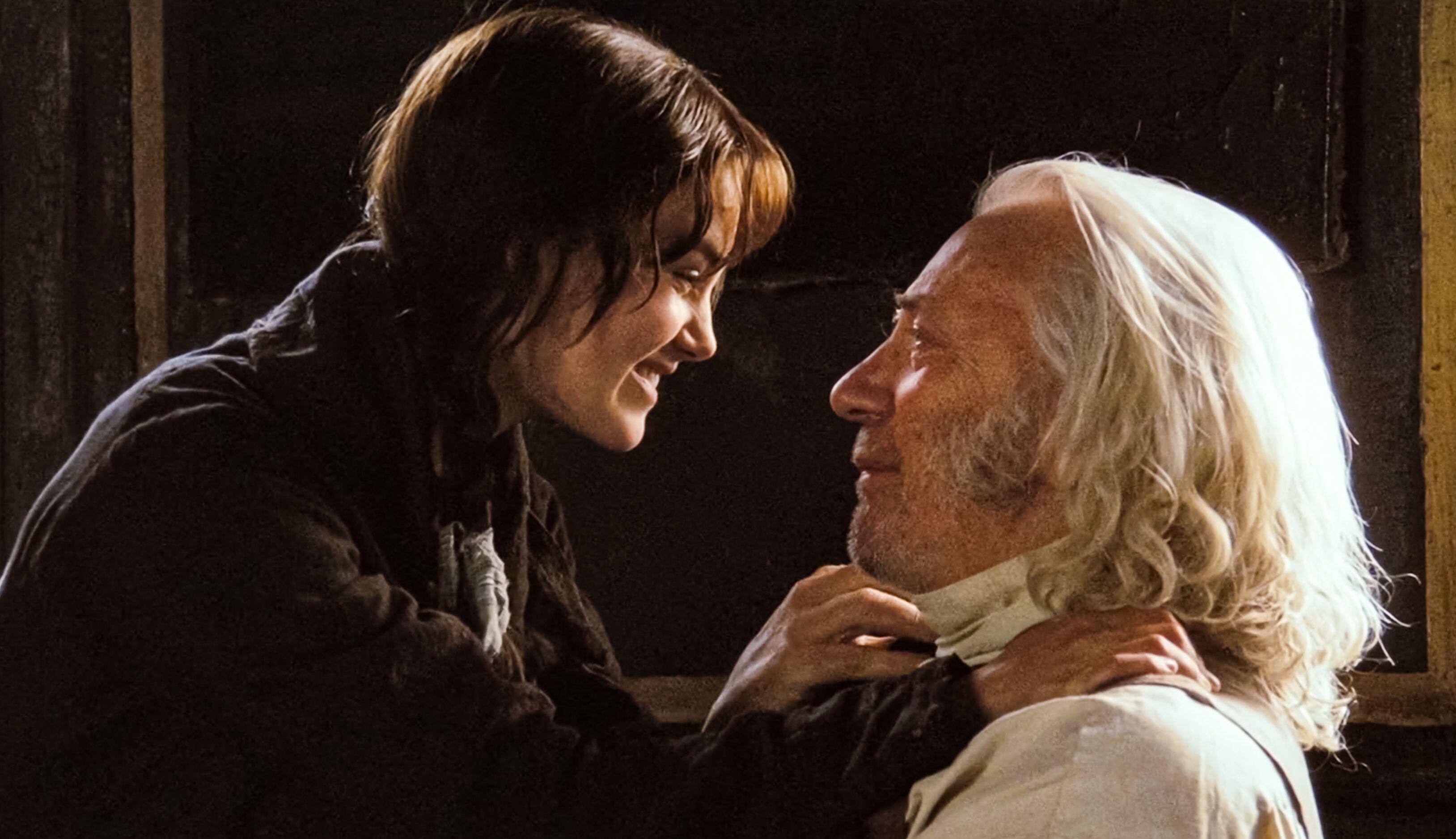
Character: Mr. Bennet
Mr. Bennet could easily become a one-note comic relief figure, the dry wit in the corner rolling his eyes at everyone else’s drama. Sutherland plays him that way for most of the film, and he’s very funny doing it, but the final scene with Keira Knightley’s Elizabeth is something else entirely. When Bennet tells his daughter how happy she’s made him, Sutherland’s voice actually cracks slightly on the word “happy,” and he drops his eyes before he can finish the sentence — two hours of deflecting jokes and averted gazes suddenly explained in a single unguarded breath. The moment hits harder precisely because Sutherland kept the warmth locked away so carefully, and that quiet crack in his voice is the whole performance in miniature.
7. JFK (1991)
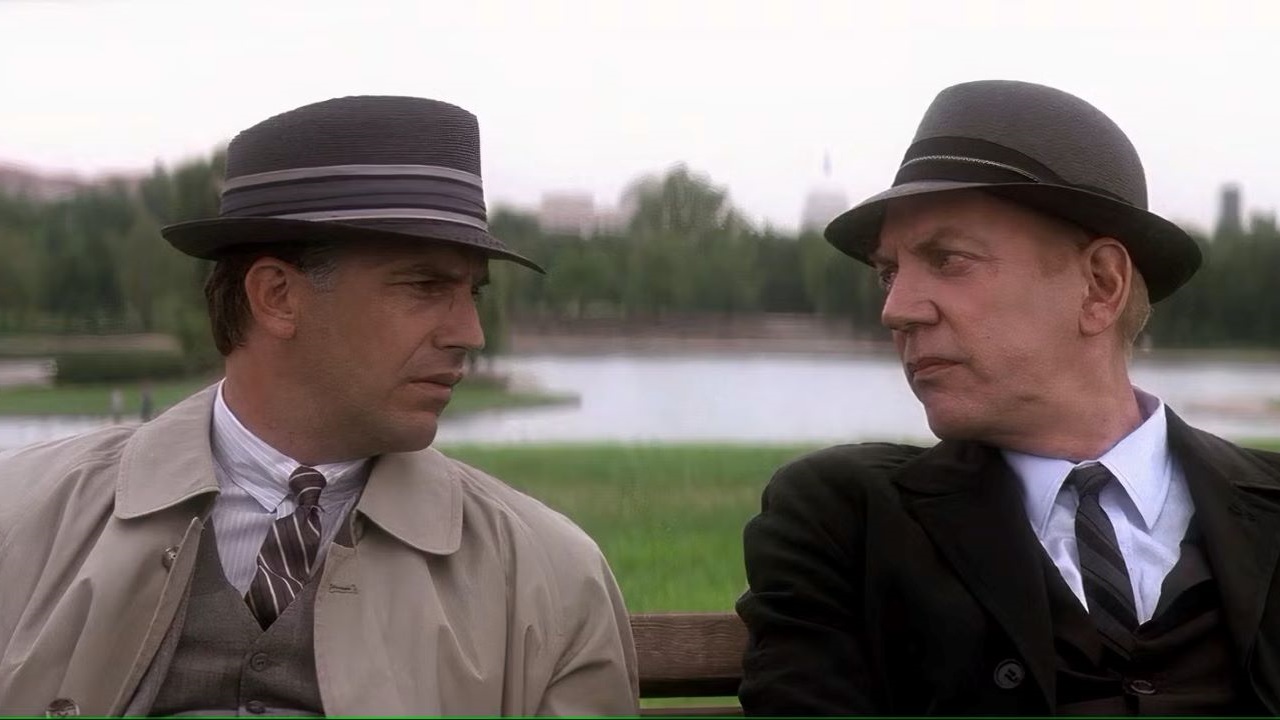
Character: Mr. X
Donald Sutherland appears in exactly one scene in Oliver Stone’s sprawling conspiracy epic, and it might be the scene people remember most. His mysterious government insider, known only as X, meets Jim Garrison on the National Mall and proceeds to lay out the entire architecture of the Kennedy assassination in a monologue that runs for several minutes and never once loses its grip. Sutherland delivers it with a controlled urgency that charges every word with the weight of enormous personal risk — he’s not performing paranoia, he’s performing certainty, which is far more frightening. Watch how still he goes when he says “the shooters don’t even know who’s hiring them” — that physical stillness lands harder than any raised voice could.
6. The Hunger Games Franchise (2012–2015)
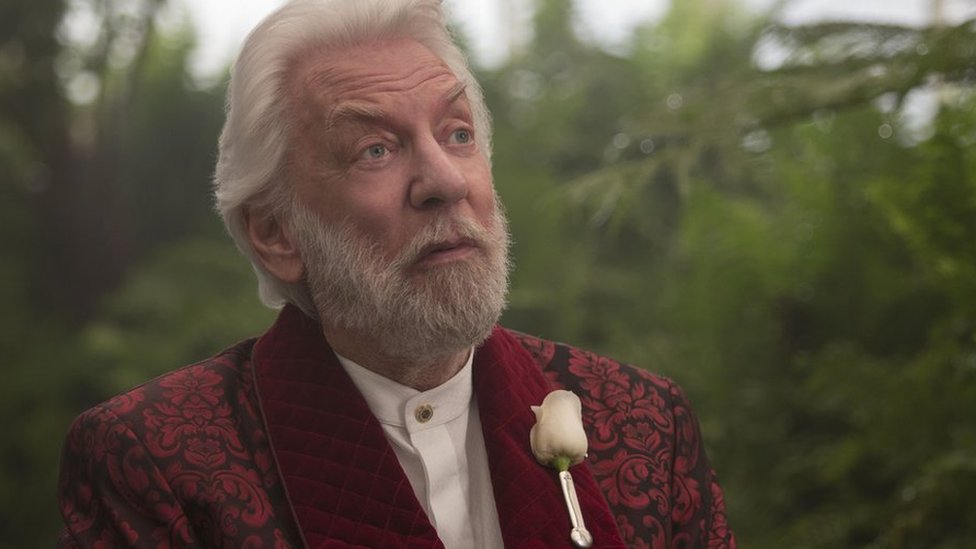
President Snow never raises his voice. He doesn’t have to. Sutherland built one of the great villain performances of 2010s blockbuster cinema on the premise that true power is quiet, and the result is a character who carries real menace in a franchise aimed partly at teenagers. The roses, the soft smile, the way Snow listens to people like he’s already decided what to do with them , all of it adds up to something Shakespearean in scale. Catching Fire is where the scheming reaches its most theatrically satisfying peak, particularly in Snow’s early scene with Katniss where he explains, with complete politeness, exactly how much danger she’s in. The franchise grossed nearly three billion dollars worldwide, and Sutherland’s performance is a big part of why audiences kept coming back.
5. Invasion of the Body Snatchers (1978)
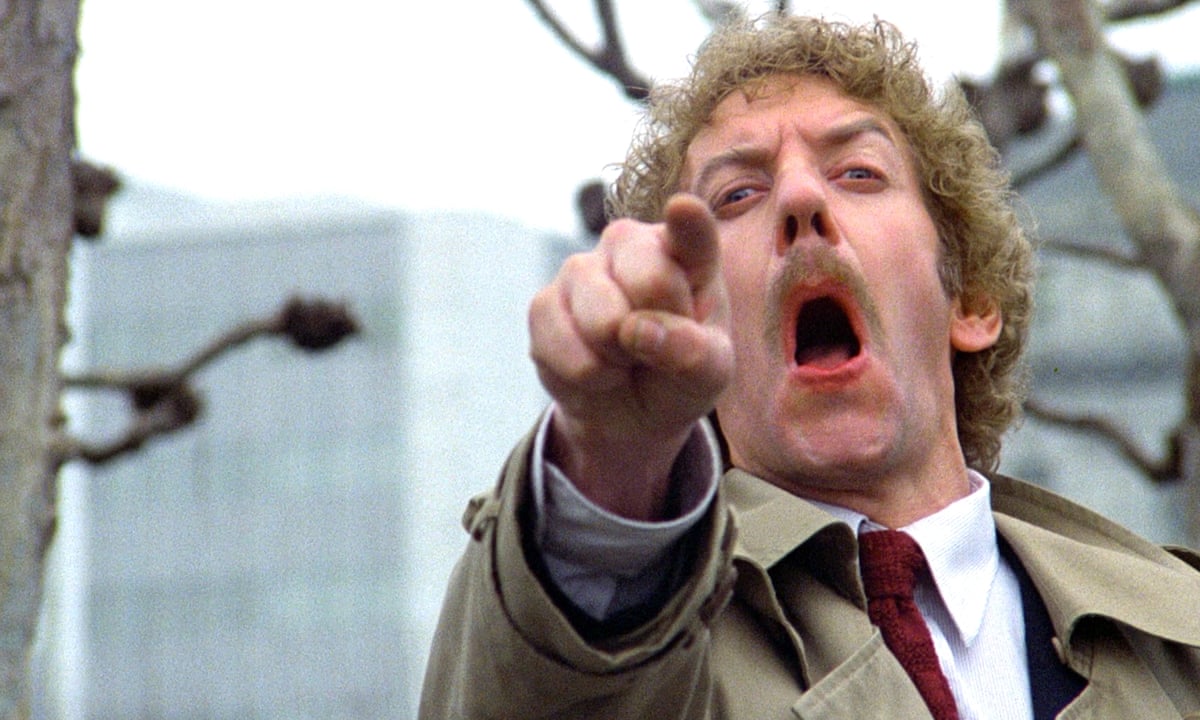
Character: Matthew Bennell
Matthew Bennell is the instrument through which this remake’s escalating dread works, and Sutherland plays him as a man whose body starts betraying his composure before his mind catches up. He starts out as a mildly neurotic San Francisco health inspector, the kind of person who notices things, and the paranoia builds physically: a tightening in the jaw, a wariness in the eyes, a posture that keeps shifting like he can’t find solid ground. The final scene lands as hard as it does because of one specific choice — Sutherland holds just long enough on that familiar face before the shriek comes, giving you a half-second of hope that makes the gut-punch so much worse.
4. Klute (1971)
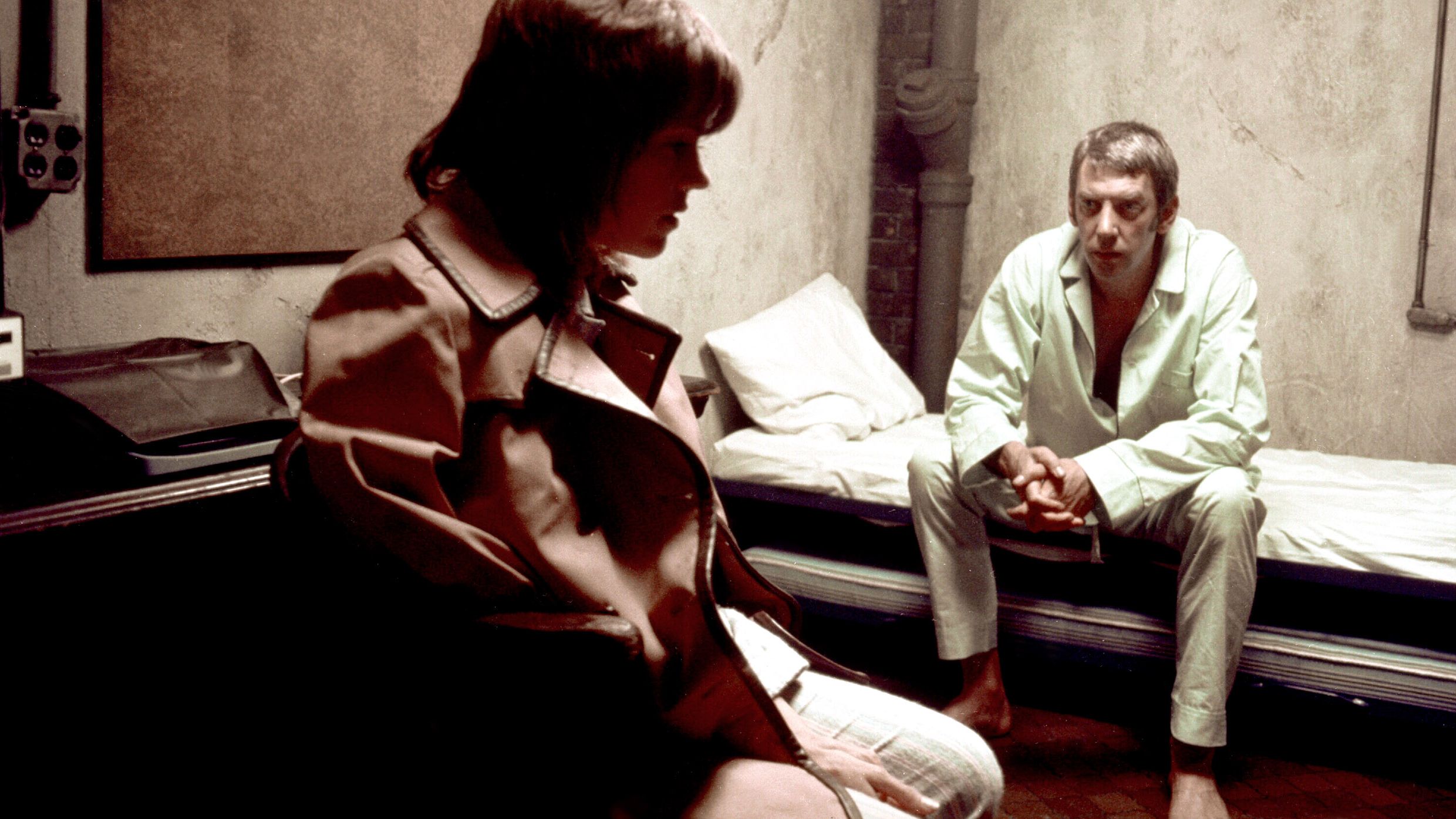
Character: John Klute
The film is named after him, but Sutherland understood that his job in Klute was to be the still water that Jane Fonda’s Bree Daniels crashes against. John Klute is watchful, patient, and almost preternaturally calm, a small-town detective so far out of his element in New York that he barely speaks unless he has something worth saying. Sutherland plays that restraint as a kind of strength, and his quiet intensity gives the film its brooding, unsettling atmosphere. Fonda won the Oscar for her performance, and rightly so, but Sutherland’s work is what makes hers possible. Together they create a dynamic that feels genuinely strange and genuinely tender at the same time, which is a hard combination to pull off.
3. Don’t Look Now (1973)
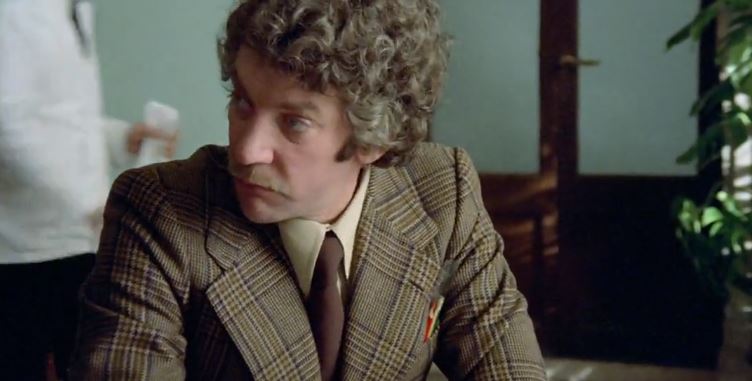
John Baxter is a man trying to hold himself together after his daughter’s death, and Sutherland carries that grief in his body from the first frame. He’s trying to work, hold his marriage together, convince himself that the strange things he keeps seeing in the canals of Venice aren’t what they appear to be. Sutherland earned a BAFTA nomination for the performance, and it’s easy to see why. There’s something raw and unguarded about the way he plays Baxter’s unraveling, never letting the character tip into hysteria, keeping everything just barely contained until it can’t be anymore. The final scene’s devastation comes from that tiny moment of recognition on Sutherland’s face — the flash of understanding in his eyes just before it’s too late — which only hits so hard because he’s spent the whole film making you believe this man desperately wants to live.
2. Ordinary People (1980)
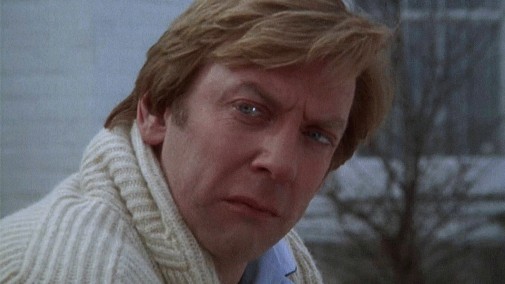
Character: Calvin Jarrett
Calvin Jarrett is a man drowning in a family that won’t talk about the thing that’s killing it, and Sutherland plays him with heartbreaking restraint. As the father caught between a grieving son and a wife who has sealed herself off from her own emotions, he carries enormous feeling without ever quite releasing it. There’s a scene late in the film where Calvin finally admits he doesn’t know if he loves his wife anymore, and the way Sutherland delivers it , not as an accusation, not as a revelation, but as a confession he’s been terrified of for years , is the emotional center of the entire picture. It’s a performance built entirely on what the character can’t bring himself to say.
1. M*A*S*H (1970)
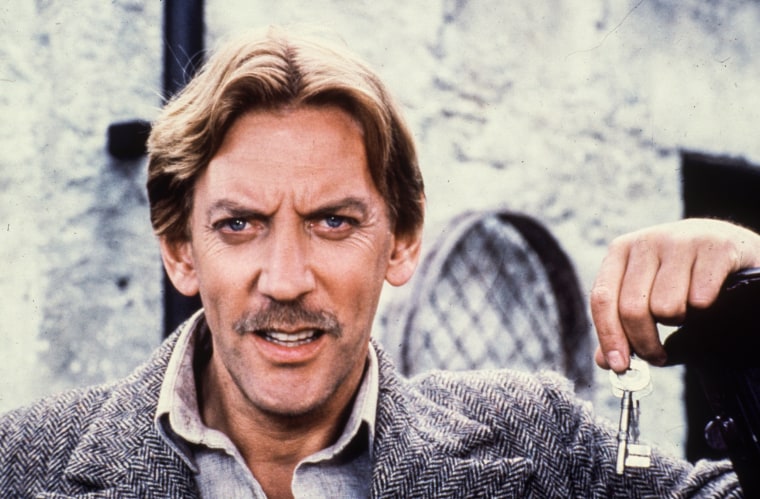
Character: Hawkeye Pierce
Hawkeye Pierce is the role that made Donald Sutherland a star, and fifty years later it’s still his most electric work. Altman’s Korean War film arrived in 1970 as a barely disguised broadside against Vietnam, and Sutherland’s anarchic Hawkeye was its beating heart, a man who uses humor as both weapon and survival mechanism. The looseness of the performance feels completely inhabited rather than constructed, and nowhere is that clearer than in the “Last Supper” scene, where Sutherland plays the whole absurd mock-ceremony with such deadpan sincerity that the joke and the grief become genuinely inseparable, landing somewhere between a prank and a eulogy without ever tipping into either.

Written by Miranda Davies
Film & TV Enthusiast
Hi, my name is Miranda Davies, and I’ve loved film and television all of my life. Some of my earliest memories involve me and family or friends catching the latest movies, or reclining on the couch to catch some awesome television, and I want to share that passion with fellow fans like you! The best way to celebrate film and television is to chat about it with people as equally passionate as you, so this website will be dedicated to being a hub for those that want to chat about their obsessions in a safe and welcoming environment that is fun to visit!
More about the author