
Top 13 Henry Cavill Movies, Ranked
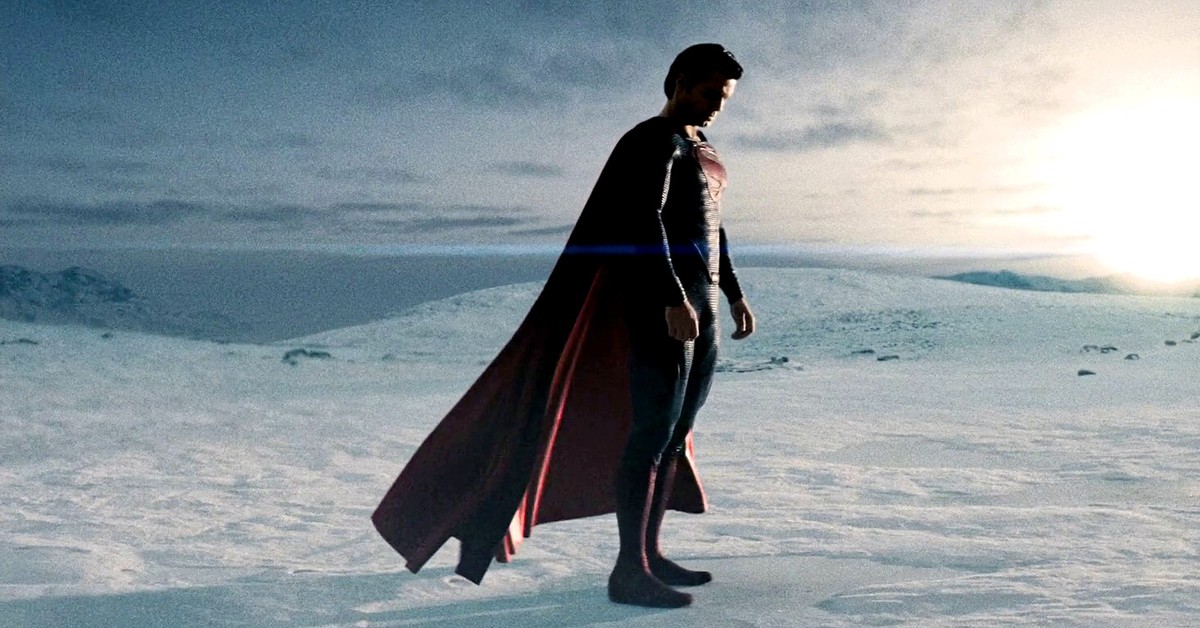
There’s a moment in Man of Steel where Clark Kent steps out of a burning oil rig, flames curling around him, and just stands there, calm, certain, ready. That single image captures something Henry Cavill does better than almost anyone working in blockbuster cinema right now: he makes you believe. Here at TV Hulk, we ranked these performances by how much they stayed with us, how convincingly Cavill disappeared into each role, and the moments where he genuinely caught us off guard. From sword-and-sandal epics to Cold War spy comedies to full-blown superhero mythology, this list covers the performances worth talking about.
13. Tristan & Isolde (2006)
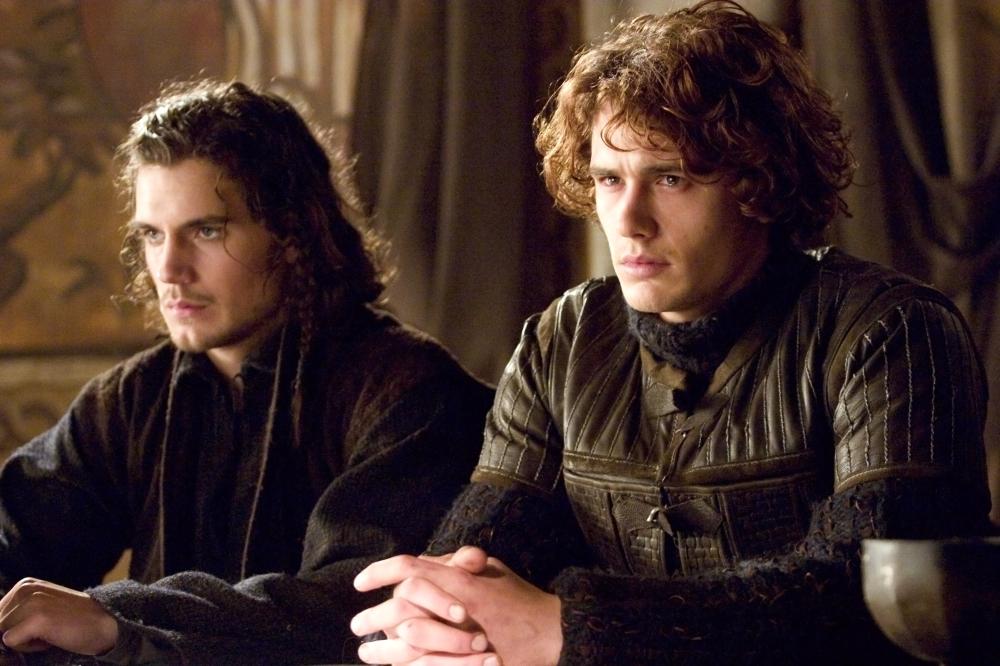
Melot is not a big role, and Cavill doesn’t pretend otherwise. He shows up in this medieval romance as a brooding, conflicted knight, gets a handful of scenes to register his loyalties and resentments, and does exactly what a supporting player needs to do: he’s present, he’s watchable, and he doesn’t disappear into the background. The film itself struggled to find an audience, weighed down by sluggish pacing and a romance that never quite caught fire, but for anyone tracing how Cavill got from here to Superman, Melot is a worthwhile early data point. He was already carrying himself with a physical confidence that most actors his age hadn’t figured out yet.
12. Blood Creek (2009)
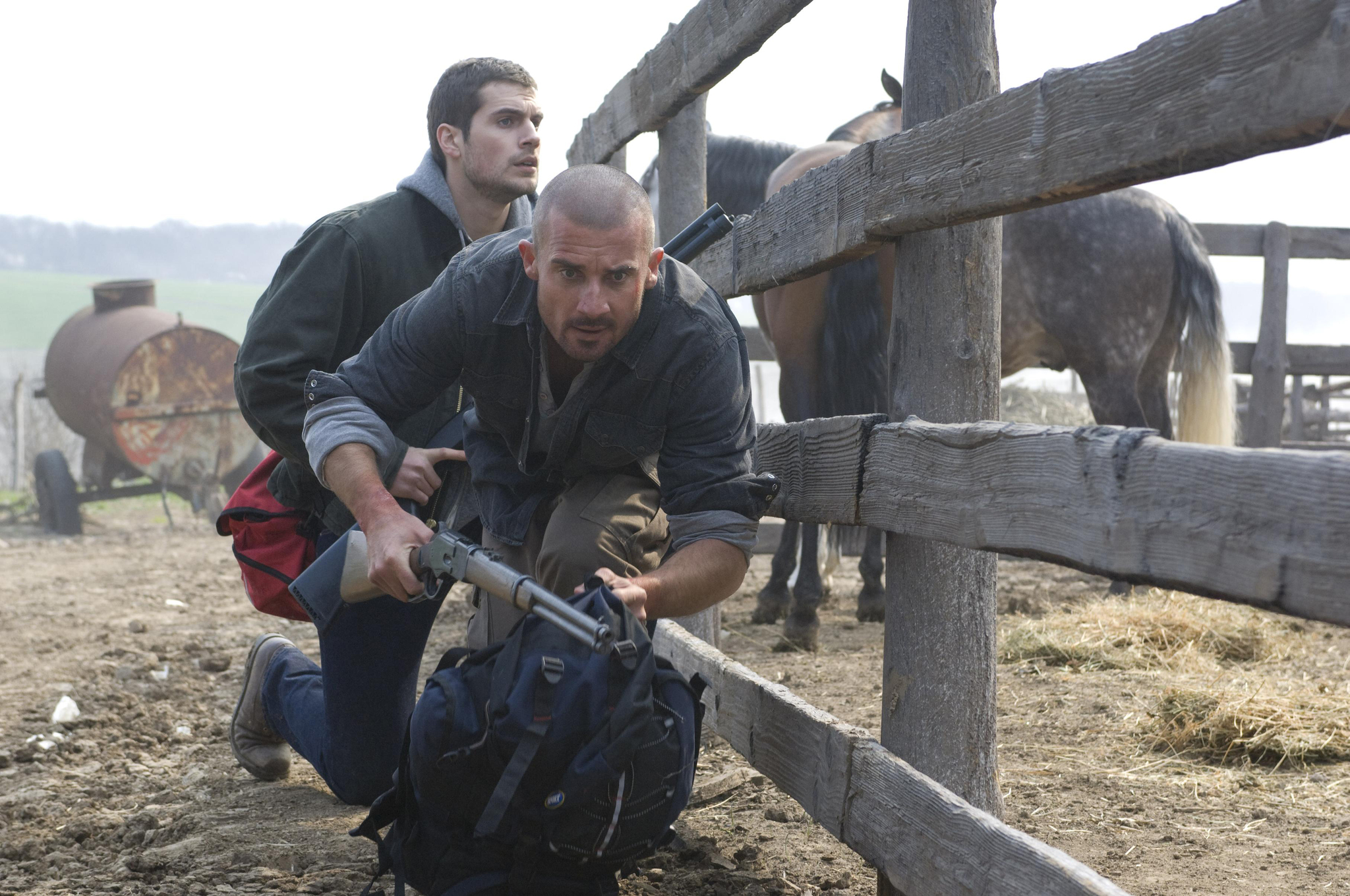
Evan Marshall spends most of this movie terrified, exhausted, and covered in something unpleasant, and Cavill leans into every bit of it. Joel Schumacher’s Nazi occult horror occupies a peculiar corner of his filmography, a low-budget creature feature that barely registered in theaters, but Cavill commits to the physical punishment of the lead role with a seriousness the material probably didn’t demand. There’s a sequence where Evan has to scramble with his brother through a farmhouse while something ancient and very angry closes in, and Henry plays the raw panic of it without winking at the camera. Horror fans have quietly rediscovered this one, and it’s easy to see why: watch his hands shake as he reloads a weapon mid-chase, and you realize he’s treating every beat like it genuinely matters.
11. Whatever Works (2009)
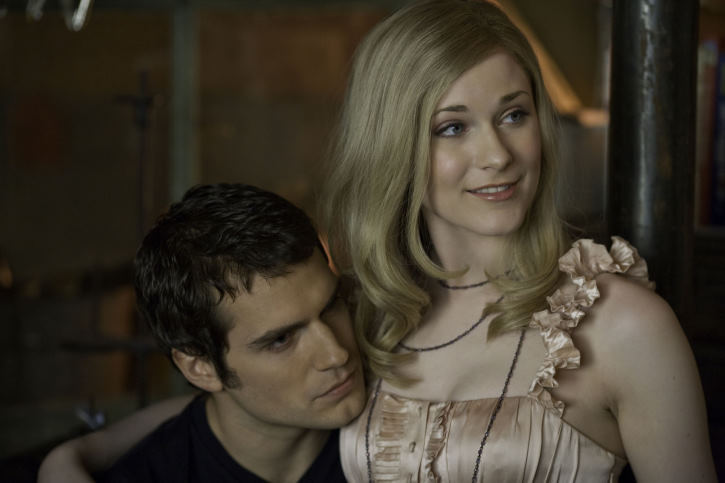
Randy Lee James doesn’t get much to do in Woody Allen’s late-period New York comedy, but Cavill makes the most of a small window. He plays the Southern charmer who drifts into the story and immediately brightens every scene he’s in, all easy smile and relaxed confidence. There’s a moment where he flashes that grin at Melodie and the whole scene just loosens up around him — you can feel the other characters responding to it in real time, which is exactly what the role needs. What’s interesting is how Cavill holds himself physically: shoulders back, unhurried, like a guy who has never once worried about walking into a room, which sells the Southern confidence without a single line of explanation. Randy is a footnote, sure, but it’s a fun one — that easy presence is already fully operational here, just aimed at a much smaller target.
10. I Capture the Castle (2003)
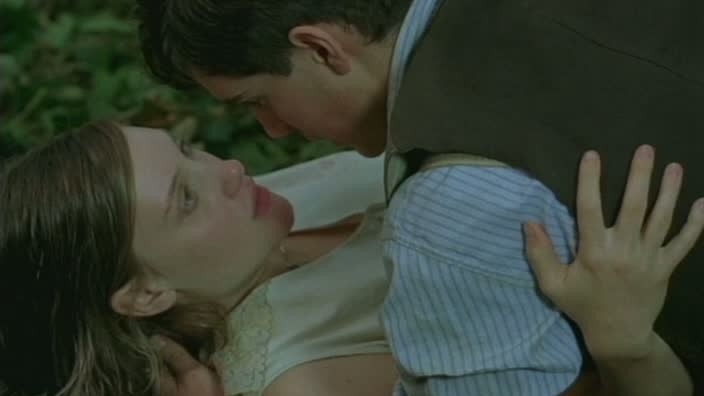
Stephen Colley is the quiet heart of this British literary adaptation, and Cavill plays him with a tenderness that’s easy to underestimate. Stephen is a farm boy hopelessly in love with someone who will never love him back, and rather than playing the role for sympathy or self-pity, Henry keeps him dignified and a little heartbreaking. There’s a moment where Cavill lets Stephen’s devotion surface in a small, private way, no big speech, no dramatic gesture, and he underplays it so carefully that it lands harder than any big dramatic moment could. This is the film that hardcore fans point to when they want to argue there’s more going on beneath the action-hero surface, and they’re not wrong.
9. Stardust (2007)
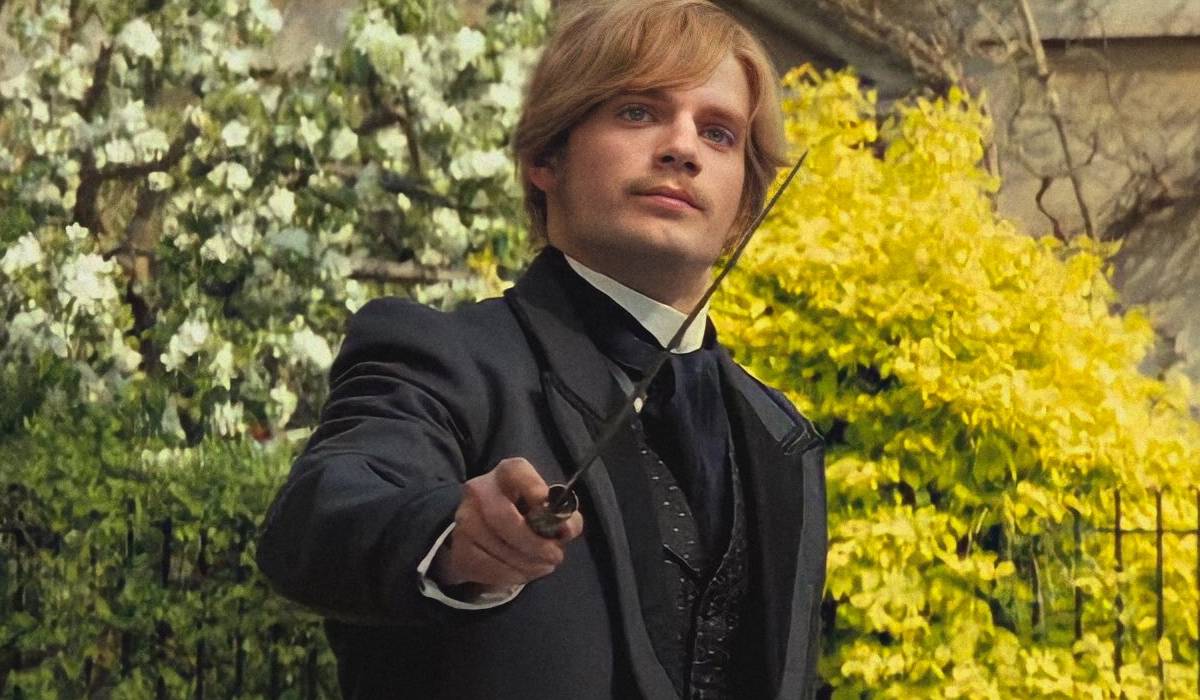
Humphrey is vain, pompous, and completely convinced of his own magnificence, and Cavill plays him with such cheerful self-satisfaction that you can’t help but enjoy every scene he’s in. This is a comedic supporting role in a warmly loved fantasy film, and the fun of watching Henry here is how completely he leans into the absurdity. There’s a running gag where Humphrey keeps getting publicly humiliated by his own horse, and each stumble lands because Cavill plays the obliviousness completely straight — chin up, chest out, utterly unbothered. He’s clearly having a great time. Stardust has built a devoted following over the years, and what sticks with you is that perfectly maintained puffed-up posture even as everything around Humphrey falls apart.
8. The Count of Monte Cristo (2002)
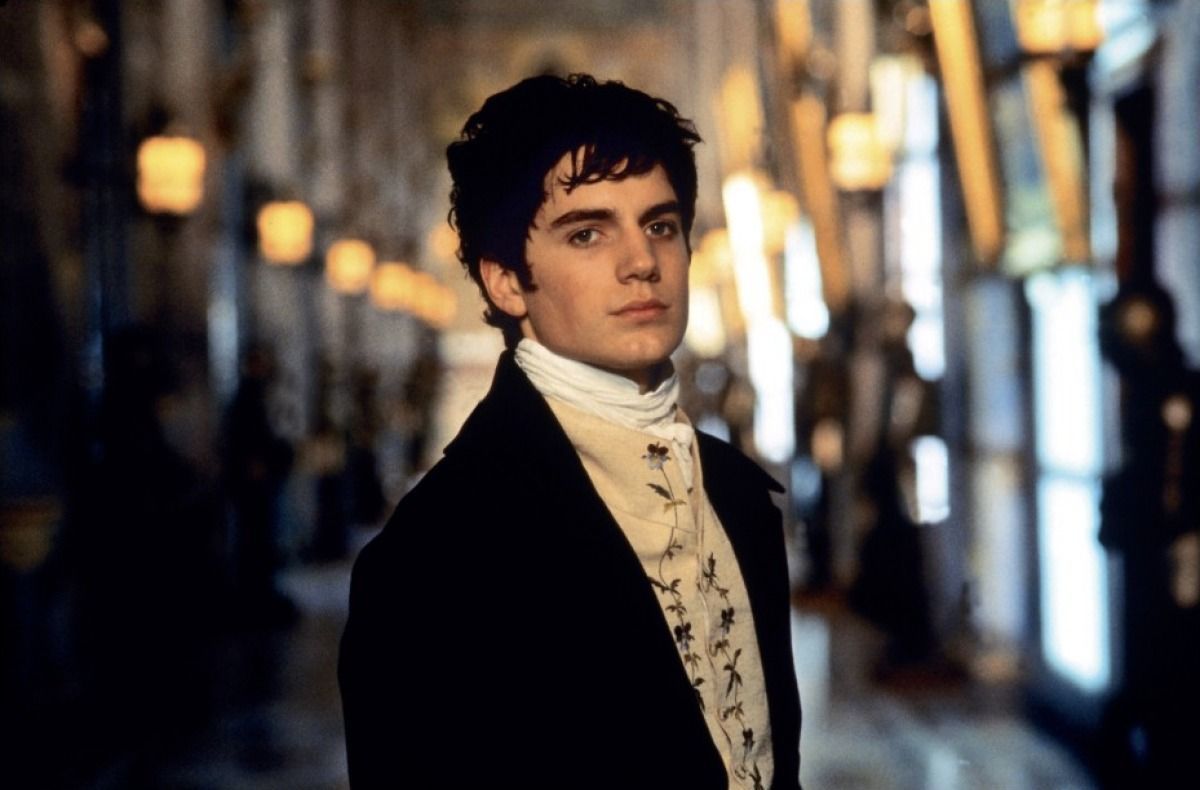
Albert Mondego arrives in this swashbuckling adventure as a young man caught between loyalty and the truth, and a teenage Cavill holds his own opposite Jim Caviezel and Guy Pearce with a confidence that stands out sharply in hindsight. Albert is charming and sympathetic without being soft, and Henry finds the right balance: a kid who wants to do the right thing but doesn’t fully understand the stakes until it’s almost too late. The scene where Albert finally grasps the full weight of his father’s betrayal is the moment where you can see the actor figuring out how to use stillness. Watching it now, the reasons this role put Cavill on Hollywood’s radar are obvious.
7. Enola Holmes 2 (2022)
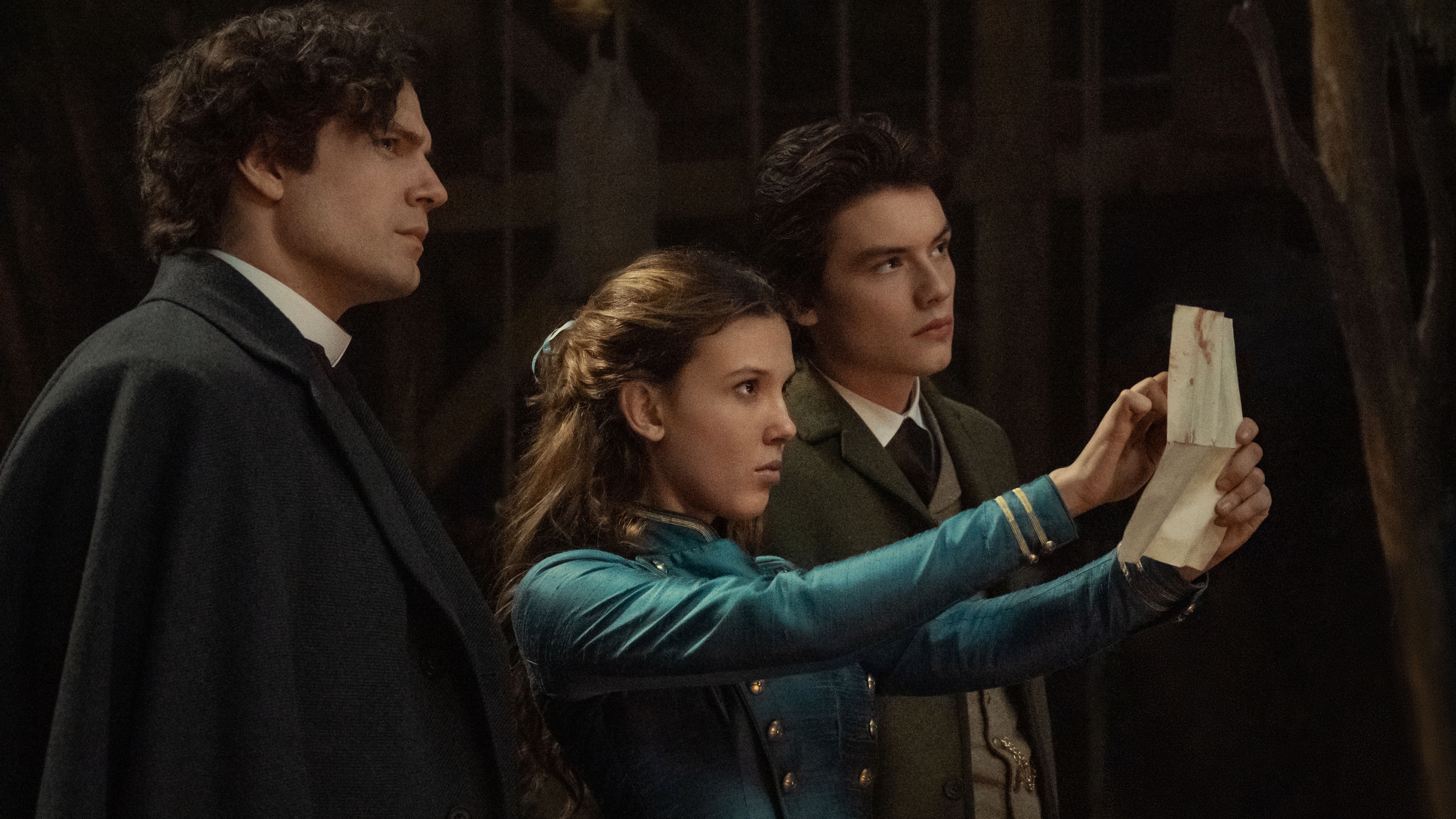
The sequel gave Sherlock considerably more room to breathe, and Cavill uses every extra minute. Where the first film kept Holmes at a careful distance, warm but slightly unknowable, this one lets him be a real presence in his sister’s life, and the sibling dynamic between Cavill and Millie Bobby Brown deepens into something that feels real. There’s a scene late in the film where Sherlock quietly acknowledges his respect for Enola’s methods, and Henry delivers it with a stillness that makes it land harder than any big speech could. What’s different here is that Cavill lets Sherlock be visibly moved without ever letting him lose his composure, which is a much trickier balance to pull off than it looks.
6. The Ministry of Ungentlemanly Warfare (2024)
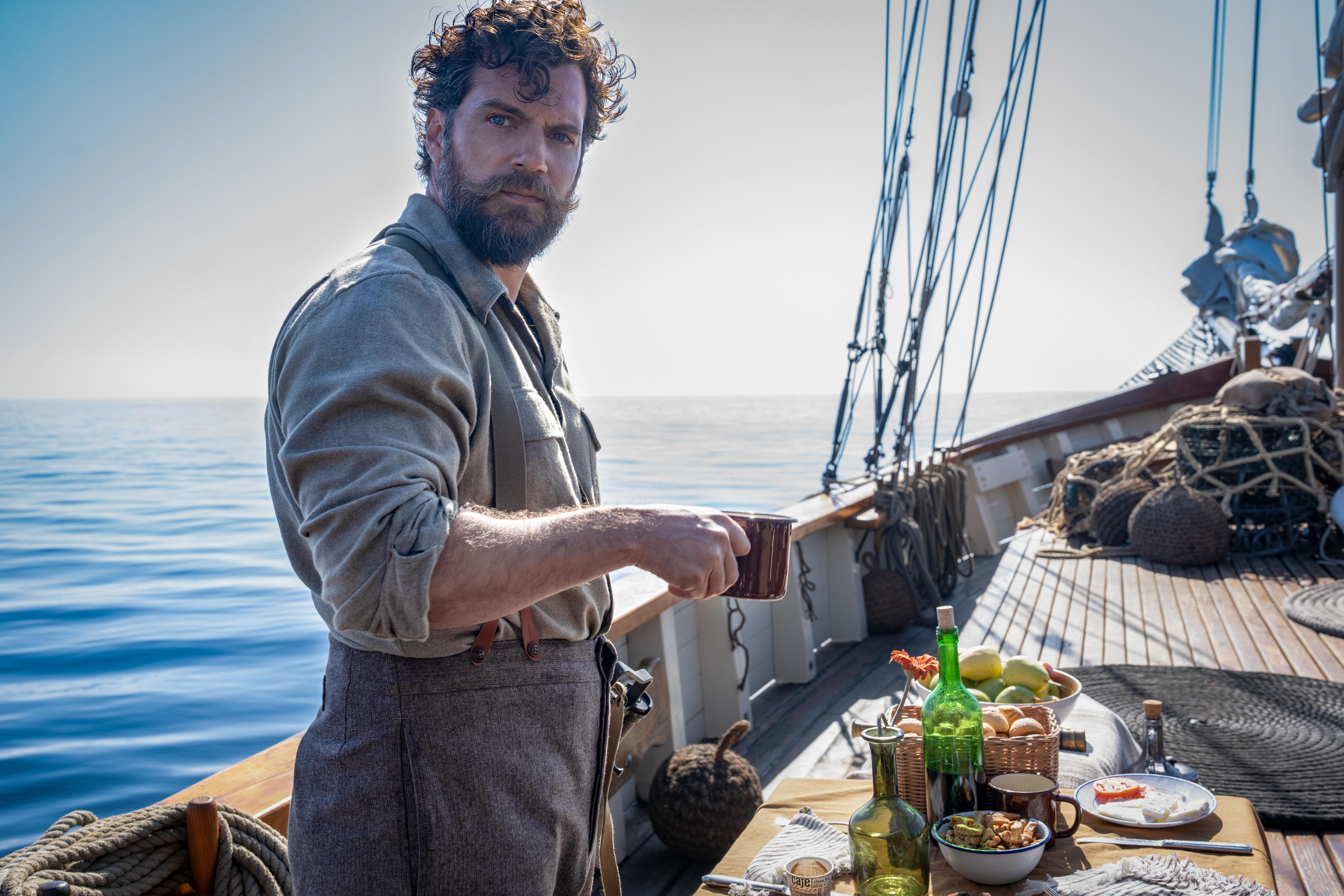
Gus March-Phillipps is the most purely fun Cavill has looked on screen in years. He plays this real-life WWII commando with a roguish, period-perfect swagger, the kind of man who lights a cigarette while everything explodes around him and somehow makes it look reasonable. There’s a scene aboard a Nazi vessel where Gus dispatches several armed men with a combination of improvised violence and cheerful efficiency, and Cavill plays it with such relish that the whole theater leans forward. The film underperformed at the box office, which is a shame, because he wears the 1940s setting like he was born to it. The performance has a loose, confident energy that his bigger franchise roles rarely allowed.
5. Immortals (2011)
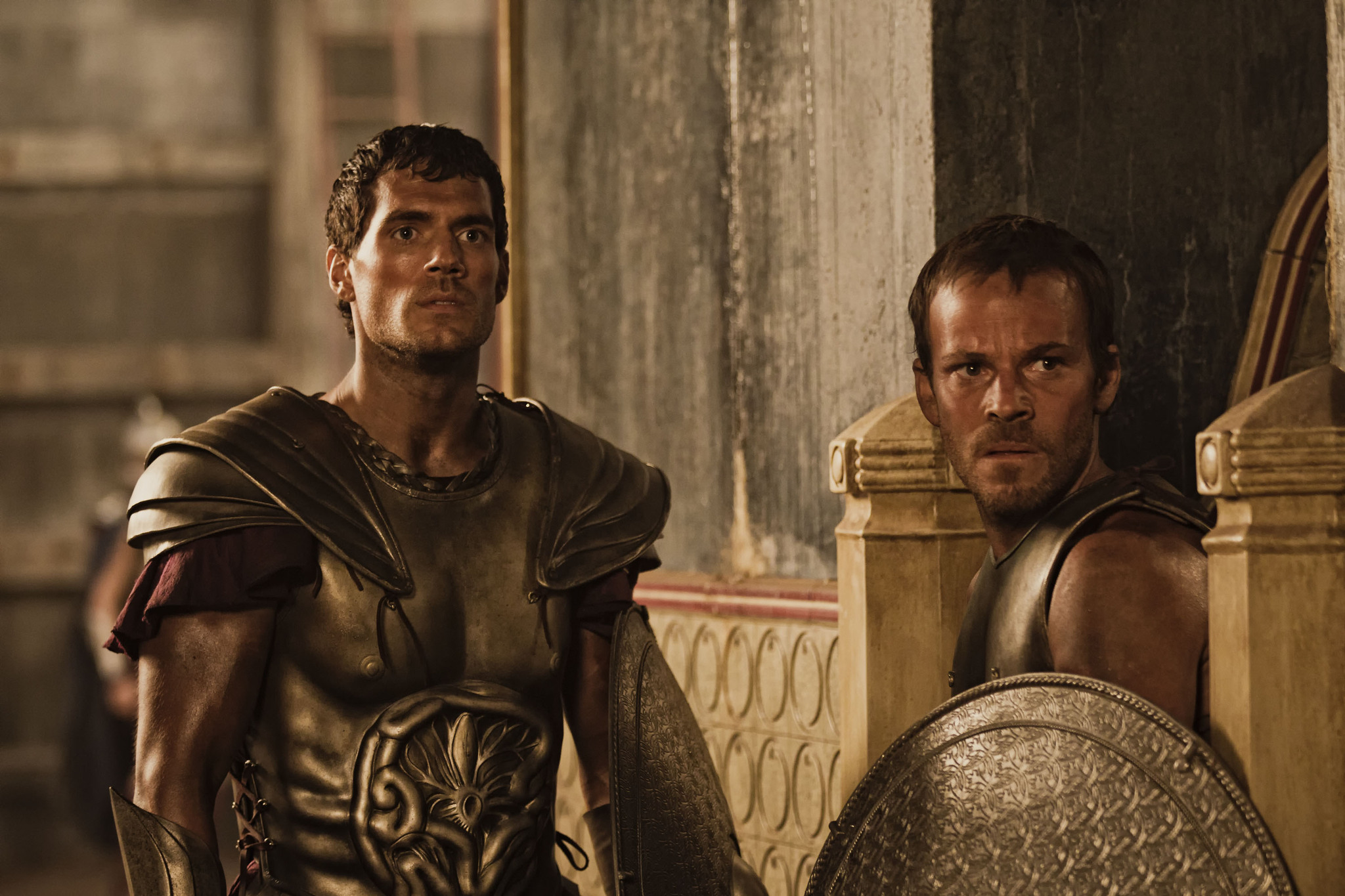
That stillness Cavill carries — the way physical power feels earned rather than given — is on full display here, and it’s what keeps him from getting swallowed by Tarsem Singh’s hyper-stylized visuals. He plays Theseus with a grounded intensity that roots the whole film, and the early training sequence is where you see exactly who this character is: not a hero by birth or destiny, but by raw refusal to quit. Watch how Cavill holds his jaw tight and says almost nothing during those scenes — the restraint does more work than any speech could. The film earned $226 million worldwide, which makes sense, because every time he locks eyes with Mickey Rourke’s Hyperion, you believe every second of it.
4. Enola Holmes (2020)
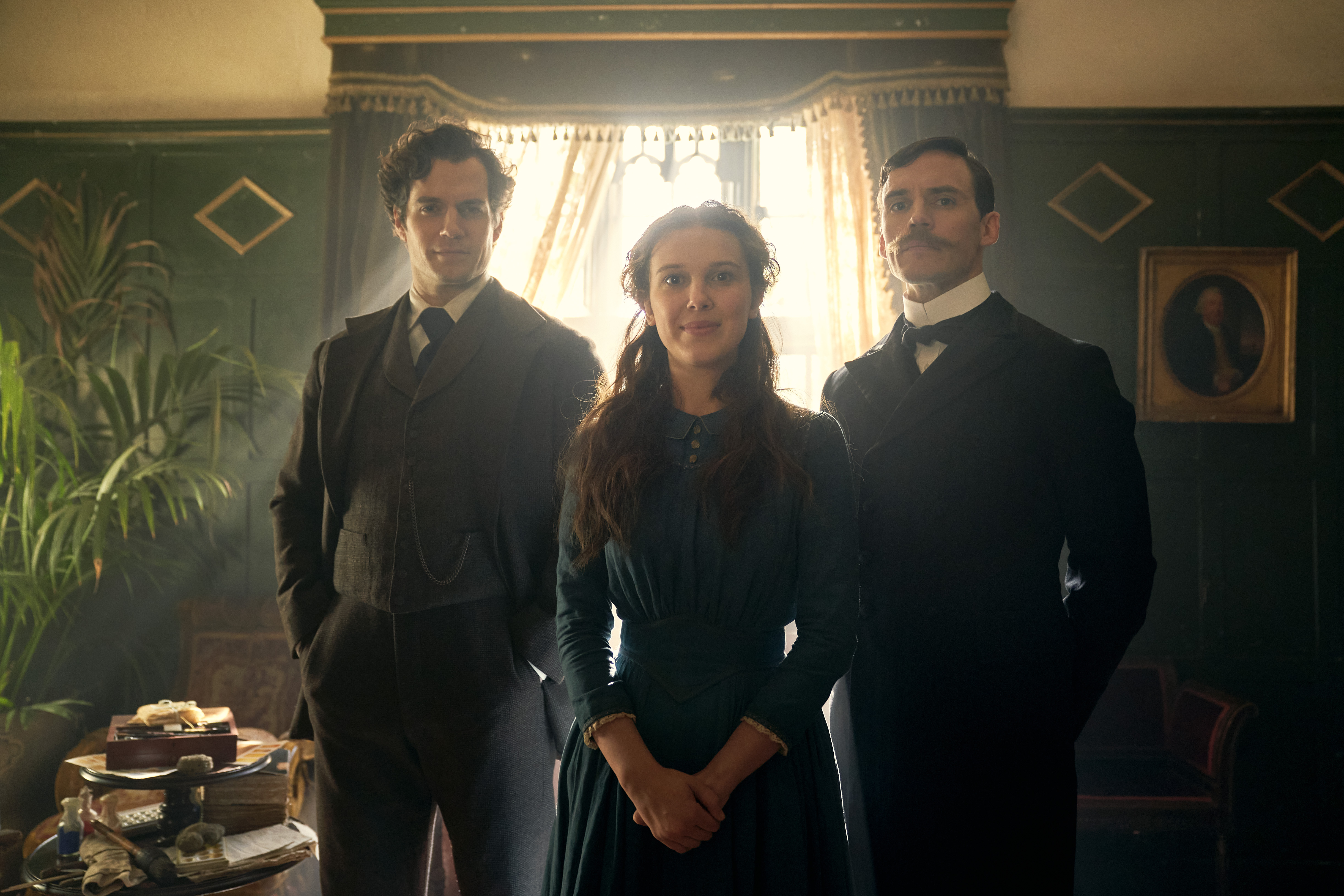
This version of Sherlock Holmes is a deliberate reinvention, and Cavill commits to it completely. Where most actors playing the role reach for cold brilliance, Henry plays Holmes as someone who has actually learned to care, a brother who shows up, pays attention, and treats his younger sister as an equal rather than a curiosity. The scene where Sherlock watches Enola escape and chooses not to stop her is a small, wordless moment that does a lot of heavy lifting: you see him decide, in real time, to trust her. The film debuted to 76 million households on Netflix in its first month, which reflects how hungry audiences were for exactly this warmer, more emotionally accessible version of the character. Cavill made it feel earned.
3. The Man from U.N.C.L.E. (2015)
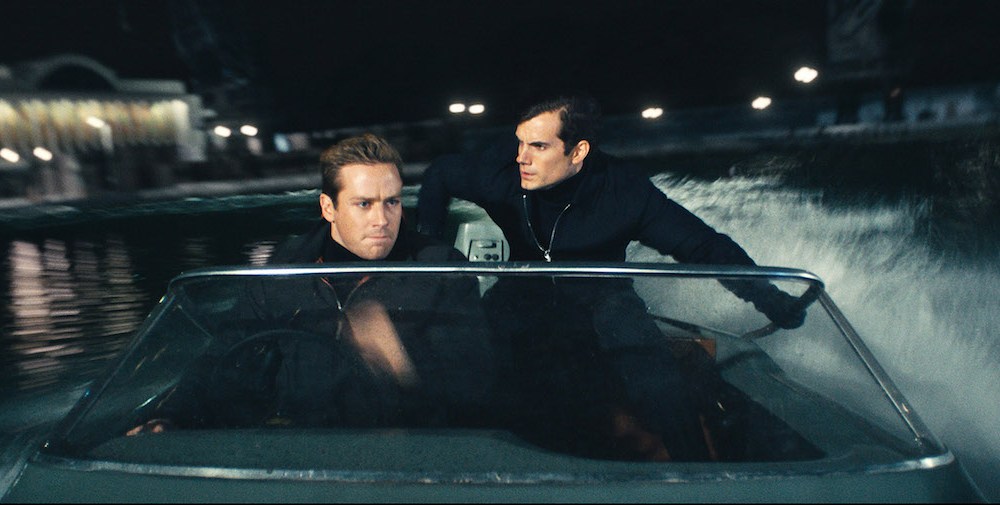
Napoleon Solo is effortlessly cool in a way that caught audiences off guard when this film came out. Cavill’s deadpan comic timing, the raised eyebrow, the perfectly calibrated pause before a dry remark, was something audiences hadn’t seen from him before, and he commits to it with total confidence. The scene where Solo sits in a stolen boat, calmly eating a sandwich and listening to opera while his partner nearly drowns nearby, is the film’s most talked-about moment and a perfect encapsulation of who Napoleon is: a man so unflappable he’s practically a different species. The film has become the cult favorite fans most wish had gotten a sequel, and Cavill’s performance is the reason. He found a suave, comedic leading-man register here that went well beyond anything the superhero work required.
2. Mission: Impossible – Fallout (2018)
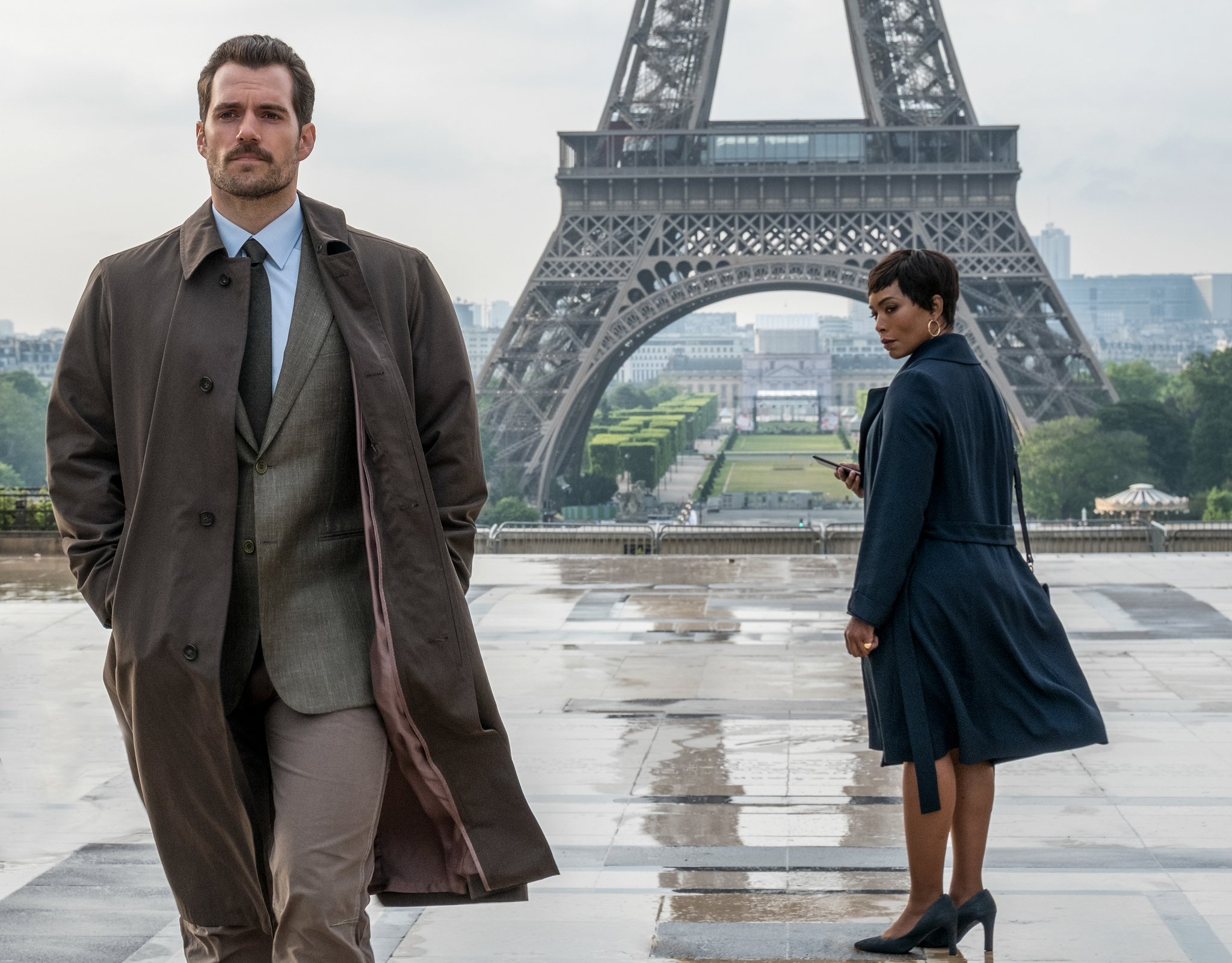
August Walker is the best villain work of Cavill’s career, and it’s not particularly close. He plays the CIA operative assigned to shadow Ethan Hunt with a barely contained menace that keeps every scene slightly off-balance. You’re never sure when the mask is going to slip, and when it does, it’s enormously satisfying. The bathroom fight became one of the most talked-about action set pieces of the decade, and part of what makes it work is Cavill’s physicality: Walker doesn’t move like a spy, he moves like something built specifically to end the conversation. His chemistry with Cruise is the engine of the film’s tension, and the entry in the franchise owes a significant debt to how completely Henry sold the threat. He came to steal a movie that already had Tom Cruise in it, and he pulled it off.
1. Superman / DCEU Franchise (2013–2023)
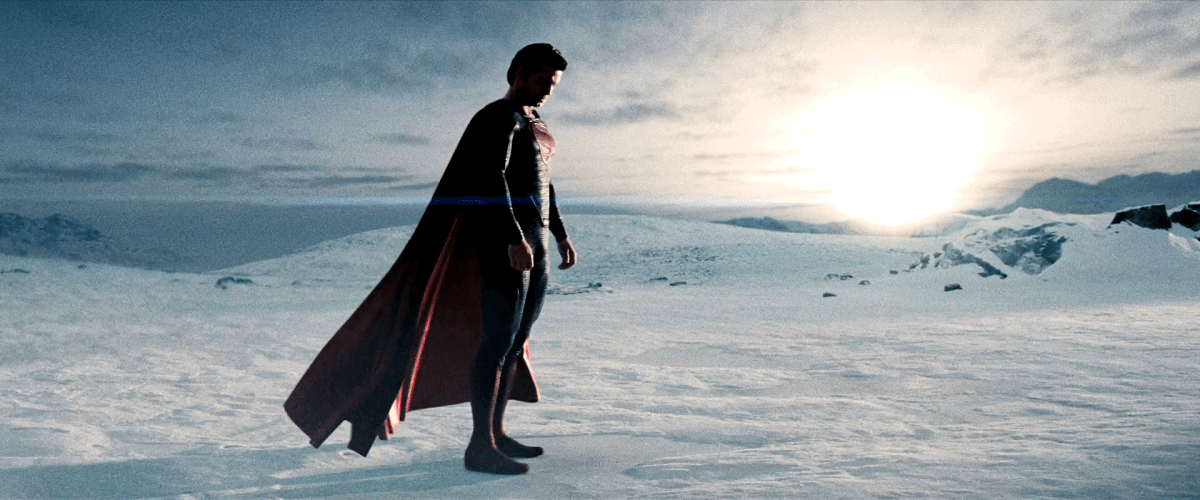
Clark Kent steps out of that burning oil rig in Man of Steel, and Henry Cavill becomes Superman. The performance he built across Man of Steel, Batman v Superman, and Zack Snyder’s Justice League is a brooding, physically imposing take that divided critics and earned a fiercely devoted fanbase, and audiences who connected with Cavill’s version connected hard. Man of Steel grossed $668 million worldwide and launched an entire cinematic universe, and his MTV Best Hero win reflects something real: they didn’t just accept him in the cape, they claimed him. What makes the performance hold up is the weight Henry brings to Clark’s alienation, the genuine loneliness of someone hiding what he is from everyone he loves. That childhood moment where Clark presses himself against a school wall because the world is simply too loud and too much is the emotional core of everything that follows, and Cavill never lets you forget it’s there, even when the film turns operatically large-scale. This is the role that defined him.
Henry Cavill has always been more interesting than the roles that made him famous, which is why the smaller films here, the quiet British drama, the cult fantasy, the scrappy horror movie, feel like such rewarding discoveries. His TV work tells a similar story: years on The Tudors sharpened a dramatic range that blockbusters often underused, while The Witcher proved he could anchor a prestige fantasy series on personality alone.

Written by Miranda Davies
Film & TV Enthusiast
Hi, my name is Miranda Davies, and I’ve loved film and television all of my life. Some of my earliest memories involve me and family or friends catching the latest movies, or reclining on the couch to catch some awesome television, and I want to share that passion with fellow fans like you! The best way to celebrate film and television is to chat about it with people as equally passionate as you, so this website will be dedicated to being a hub for those that want to chat about their obsessions in a safe and welcoming environment that is fun to visit!
More about the author