
Top 13 Bryan Cranston Movies, Ranked
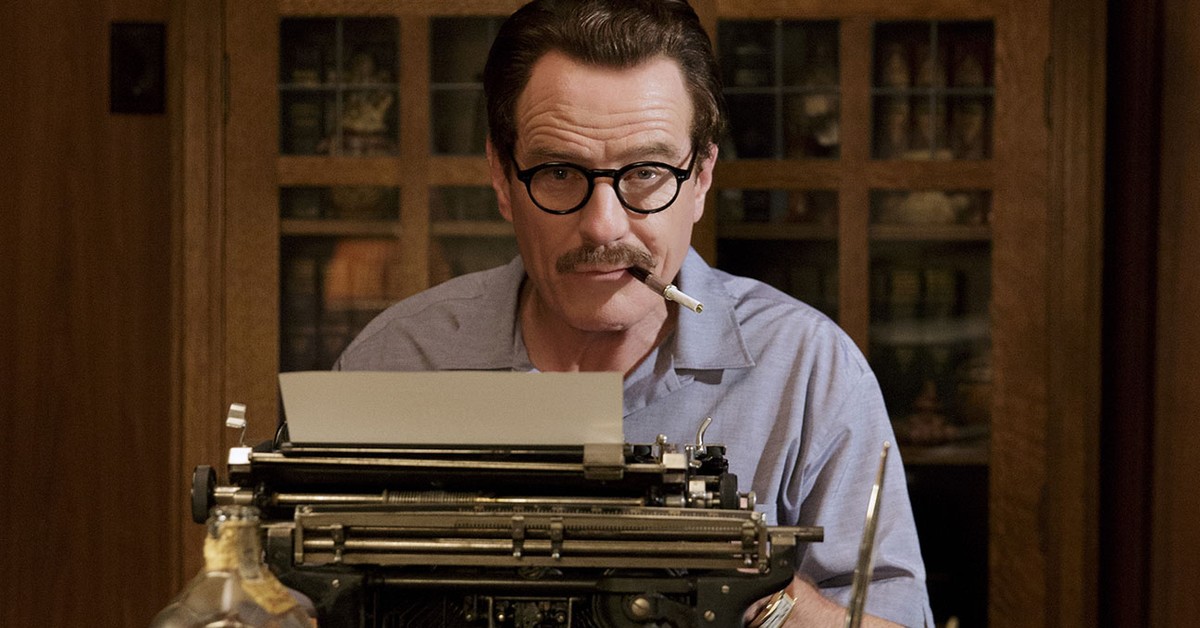
Here’s a bold claim worth making: Bryan Cranston is the best actor working today who still feels criminally underused by Hollywood. The film roles he has gotten, though? He has made every single one count. At TV Hulk, we ranked these performances based on how completely Cranston disappeared into each character, the moments where you stopped thinking about the actor and started believing the person on screen. From quiet indie character studies to big-budget blockbusters to prestige biopics, this list covers the full sweep of what he can do. Consider the way he physically transformed for his Oscar-nominated turn in Trumbo, hunching his shoulders and sharpening his voice into something brittle and defiant, or how he grounded the chaos of Godzilla with a grief so raw it caught audiences completely off guard. These are performances built from the inside out, where every small choice, a hesitation, a glance, a shift in posture, does more storytelling than most actors manage with entire monologues.
13. Jerry & Marge Go Large (2022)
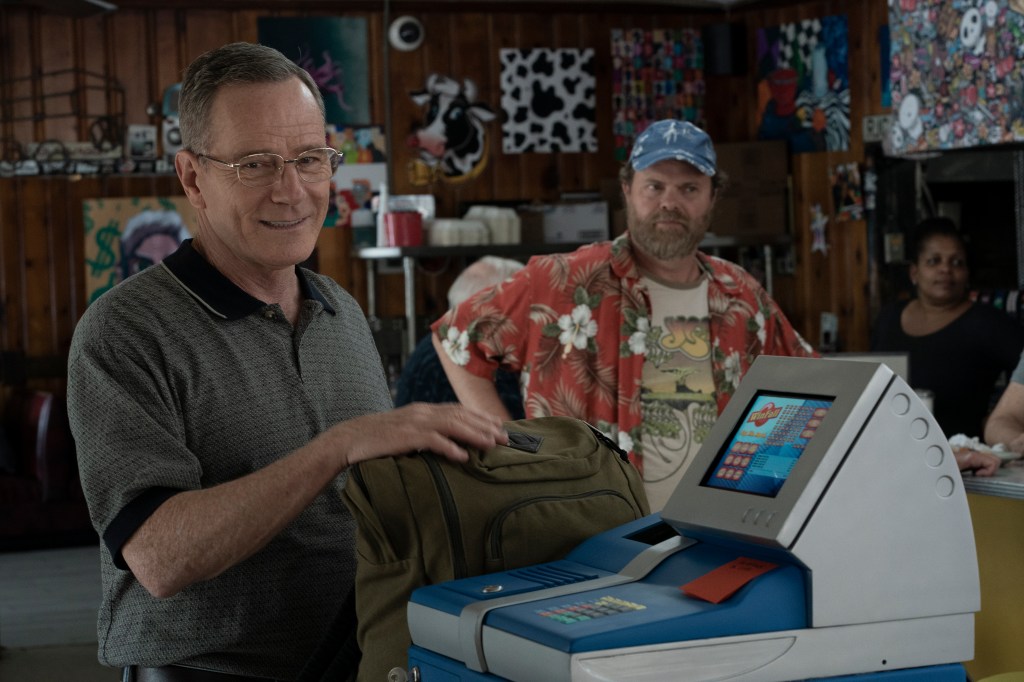
Jerry Selbee is not a flashy role, and that’s exactly the point. Cranston plays this soft-spoken, retired Michigan engineer with such unforced warmth that you’re rooting for him within the first five minutes, even before the lottery scheme kicks in. There’s a lovely early scene where Jerry sits alone at his kitchen table working through the math on a lottery ticket, and Cranston plays it with this quiet, private joy, the look of a man who has spent decades being underestimated and finally found something that rewards his patience. His chemistry with Annette Bening is the film’s real engine. It landed quietly on Paramount+ without much fanfare, but it’s a charming showcase for his softer, more grounded register.
12. Asteroid City (2023)
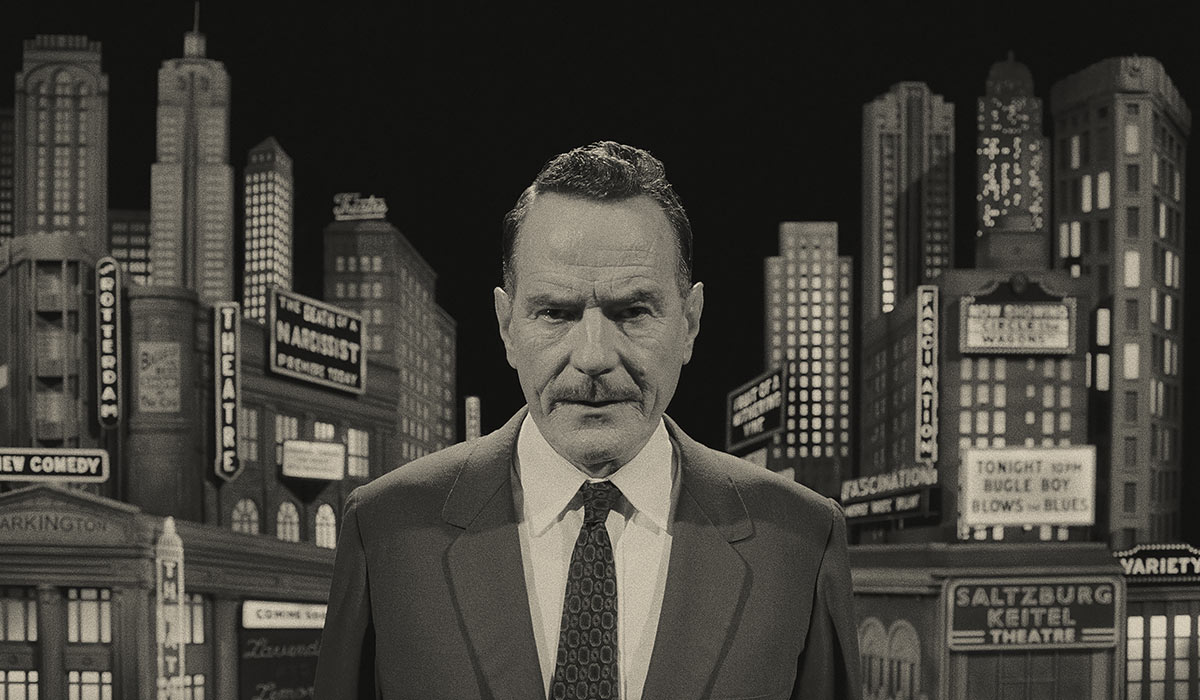
The Host is a small role by any measure, but Cranston fits into Wes Anderson’s meta-theatrical puzzle box like he was built for it. Dressed in a sharp suit and delivering his lines with the practiced authority of a 1950s television announcer, he functions as the film’s wry, deadpan narrator, the voice that keeps reminding you this is all a show within a show within a show. There’s something funny about how seriously he plays the artifice, never winking at the camera even when the film is practically daring him to. It cements his place as a reliable collaborator in Anderson’s particular universe, following his voice work in Isle of Dogs a few years earlier.
11. Why Him? (2016)
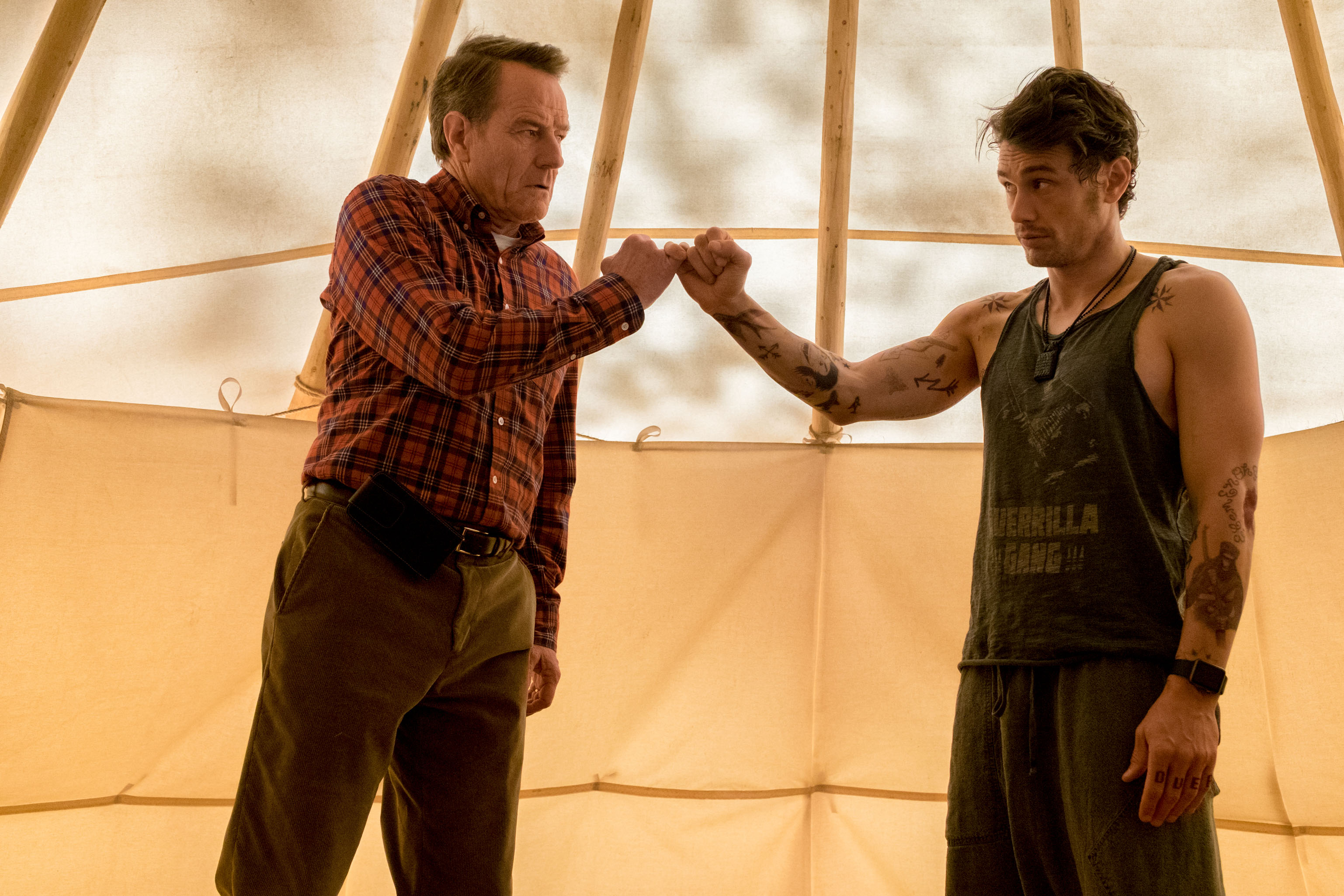
Ned Fleming is basically a walking panic attack in khakis, and Cranston commits to the bit completely. Playing the perpetually horrified father of a daughter dating James Franco’s obscenely wealthy tech bro, he gets to dust off the physical comedy instincts that Malcolm in the Middle fans remember well. There’s a running gag involving a smart toilet that he sells harder than it has any right to be sold. What keeps Ned from becoming a cartoon is the genuine love Cranston threads through all the exasperation; you feel the father underneath the freak-out. His back-and-forth with Franco has a real push-and-pull energy, and it turns a broad studio comedy into something that actually lands more often than not.
10. Wakefield (2016)
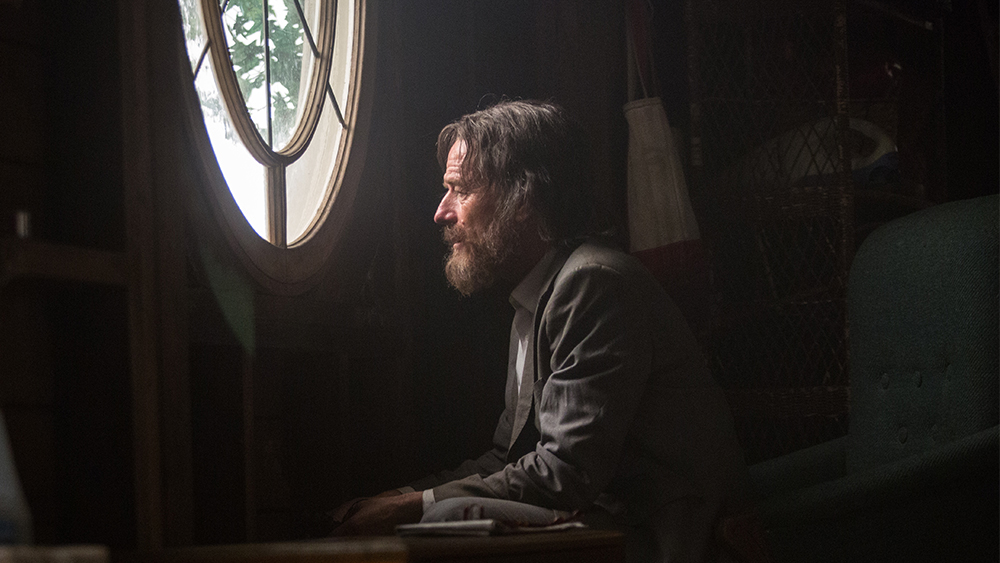
This is the one true Cranston devotees should track down. Howard Wakefield is a suburban lawyer who, on a whim, retreats to his garage attic and watches his own family from above while they believe he has vanished, and Cranston narrates the whole psychological unraveling in voiceover while physically confined to a cramped, dimly lit space for most of the film’s runtime. The challenge is enormous: he has almost no one to play against, and the character is not particularly sympathetic. But he finds the dark humor in Howard’s self-delusion and the creeping horror underneath it, particularly in a late scene where he watches his wife through a window and his expression shifts from smugness to something much harder to name.
9. Kung Fu Panda Franchise (2016–2024)
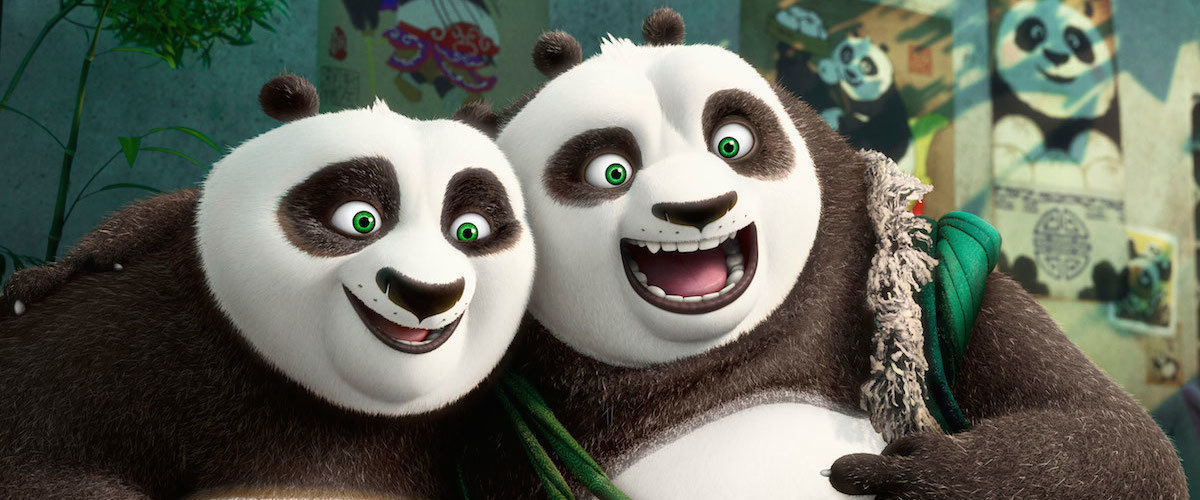
Li makes his entrance in Kung Fu Panda 3 as a round, cheerful, slightly bumbling panda who turns out to be Po’s long-lost biological father, and Cranston voices him with a warmth so immediate it’s almost disarming. The key to the performance is how he plays Li’s love for Po as completely uncomplicated, with no edge, no hidden agenda, just a father who is overwhelmed with joy and a little out of his depth. In Kung Fu Panda 4, when Li reappears to offer guidance, Bryan leans into a gentler, more weathered version of that same sweetness. Li’s emotional grounding is a big part of why the franchise’s family dynamics feel earned rather than sentimental, and that’s no small thing across two films.
8. The Upside (2019)
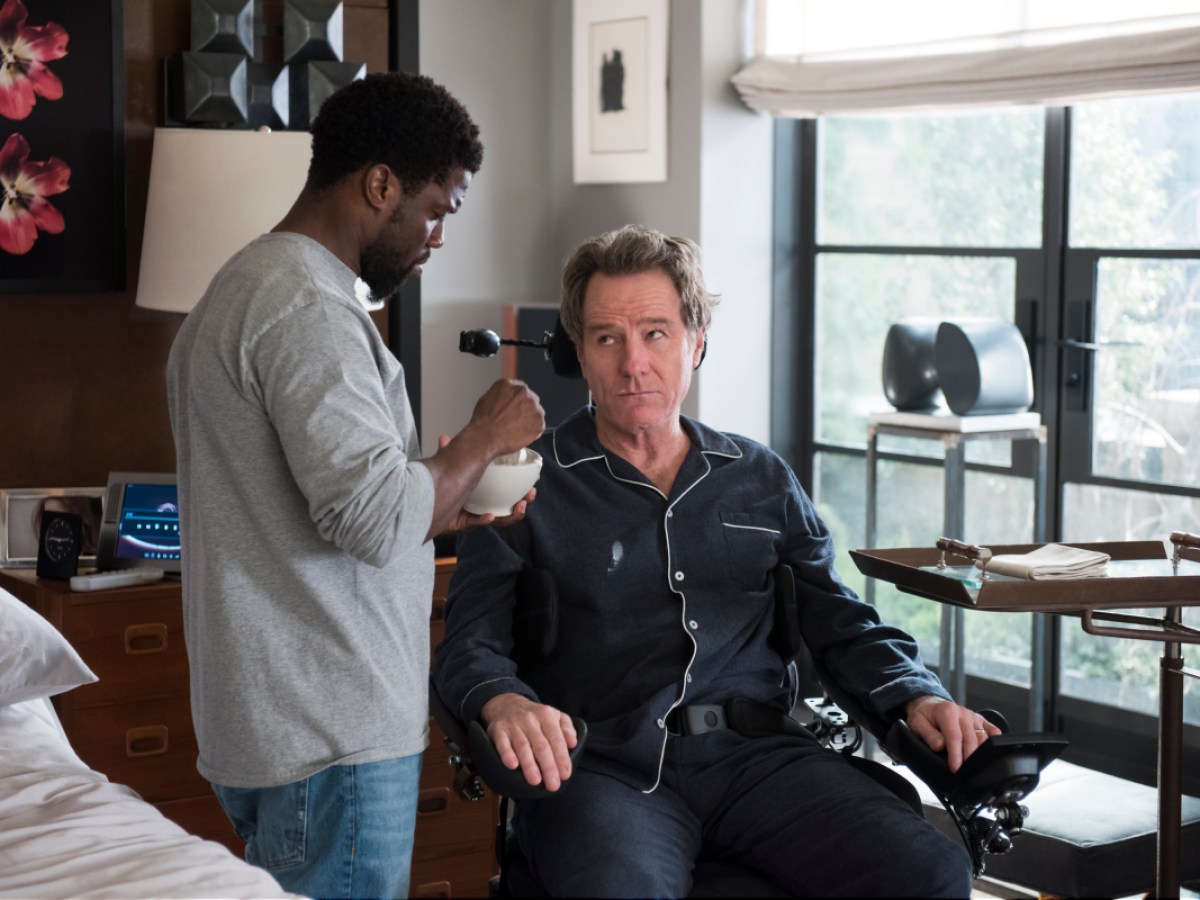
Phillip Lacasse is a billionaire rendered quadriplegic by a paragliding accident, and the role presents a specific acting problem: how do you command the screen when your character can barely move? Cranston’s answer is to pour everything into his eyes and voice. There’s a scene where Phillip listens to an opera recording alone in his apartment, and the way Cranston lets the music move across his face, grief and pleasure and longing all at once, is more expressive than most actors manage with their whole bodies. His dynamic with Kevin Hart finds a rhythm that feels genuinely lived-in rather than calculated, and audiences clearly connected with that pairing in a big way. As his biggest live-action leading role by box office, it proved Cranston could anchor a mainstream crowd-pleaser.
7. Last Flag Flying (2017)
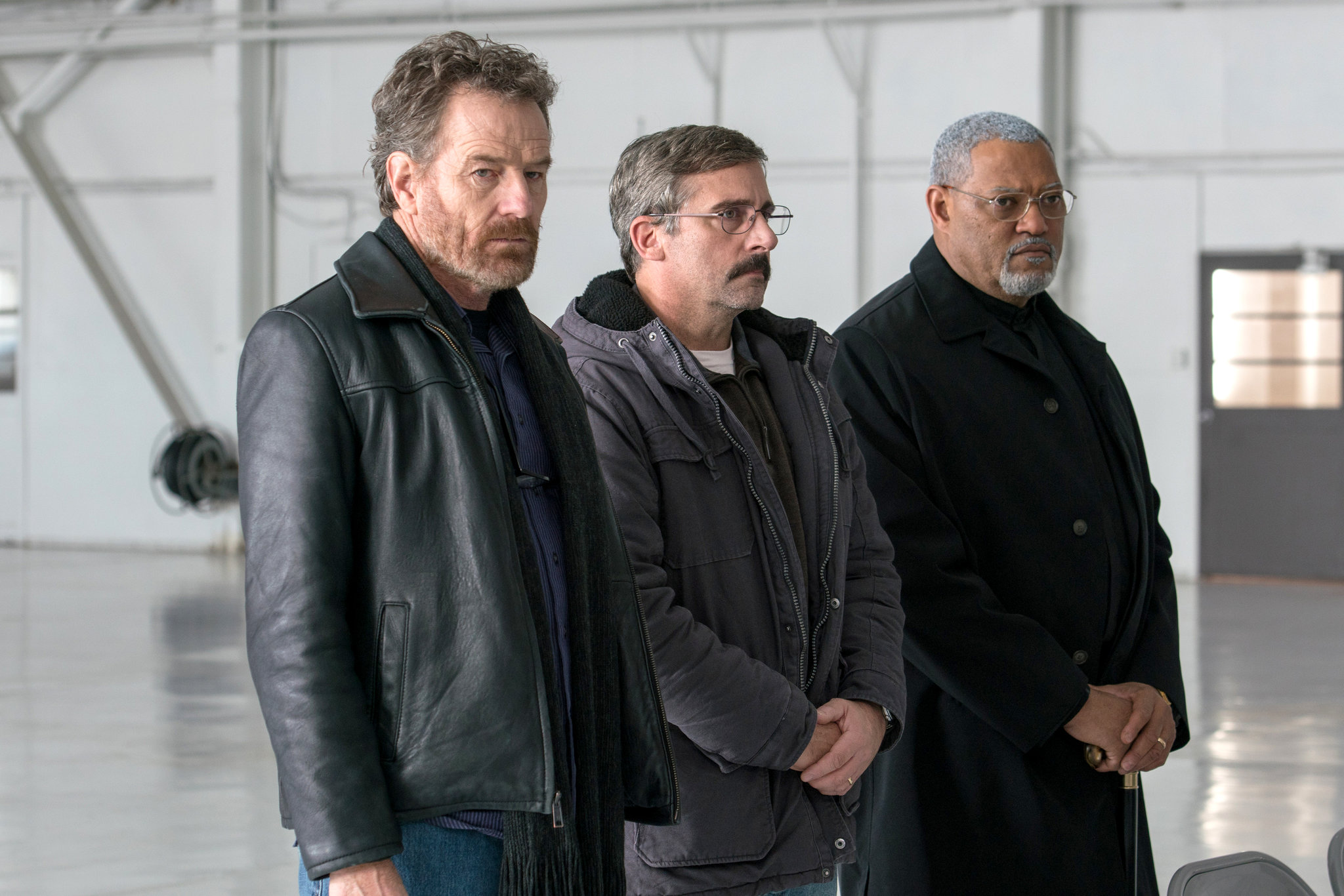
Sal Nealon arrives on screen like a force of nature. Cranston plays this Vietnam vet turned bar owner as a man who uses noise and laughter as armor, and the performance is loose and freewheeling in a way that his more buttoned-up roles rarely allow. Watch the scene where Sal, Doc, and Mueller sit in a diner booth and the three of them just talk, Cranston bouncing off Steve Carell and Laurence Fishburne with the ease of someone who has been doing this for thirty years, finding the comedy in the grief without letting either cancel the other out. Richard Linklater gives the scenes room to breathe, and Bryan fills that space beautifully. The film barely registered at the box office, but it deserves a much wider audience.
6. Isle of Dogs (2018)
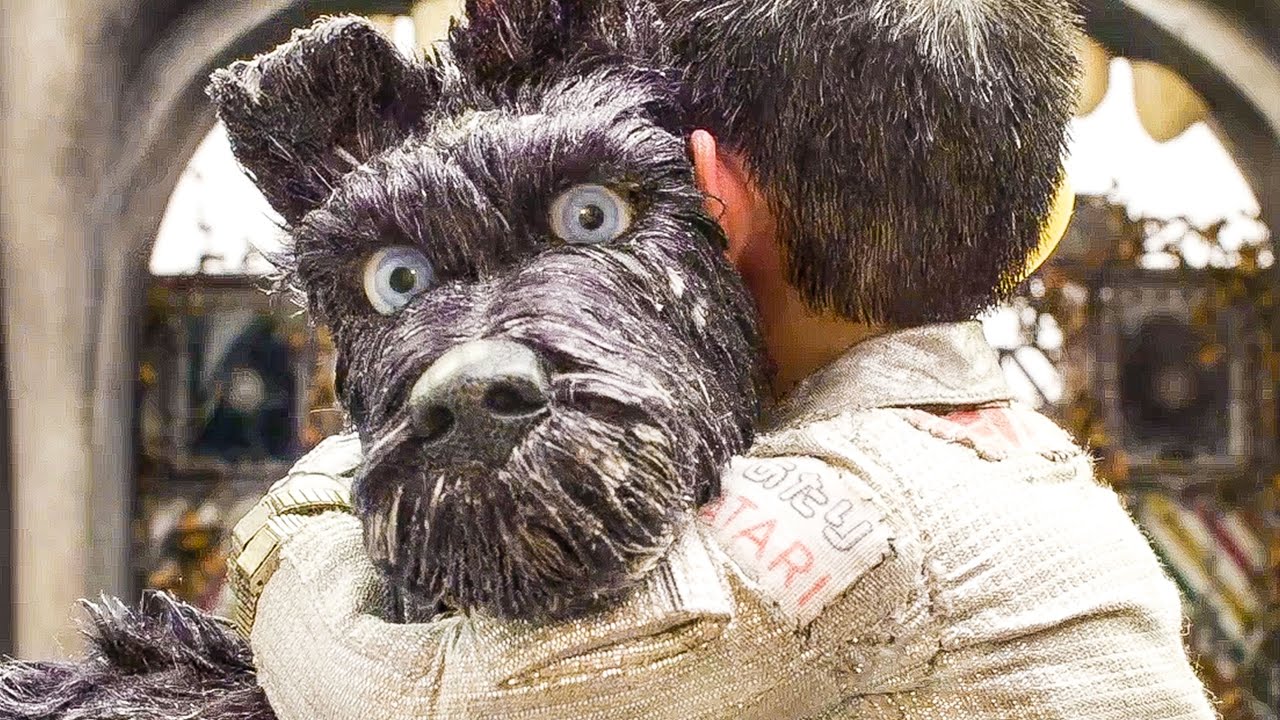
Chief is a stray dog who doesn’t want to be touched, doesn’t want to be loved, and definitely doesn’t want to be anyone’s pet, and Cranston voices him with a bristling, coiled energy that makes every moment of softening feel hard-won. The performance is built on what he withholds: Chief’s voice stays clipped and guarded even when the story is pushing him toward connection, so when the walls finally come down in the third act, the shift registers as a real character change rather than a scripted turn. It’s the rare animated voice performance where you can track an internal journey entirely through tone and pacing, without a single frame of the actor’s face to help you.
5. The Infiltrator (2016)
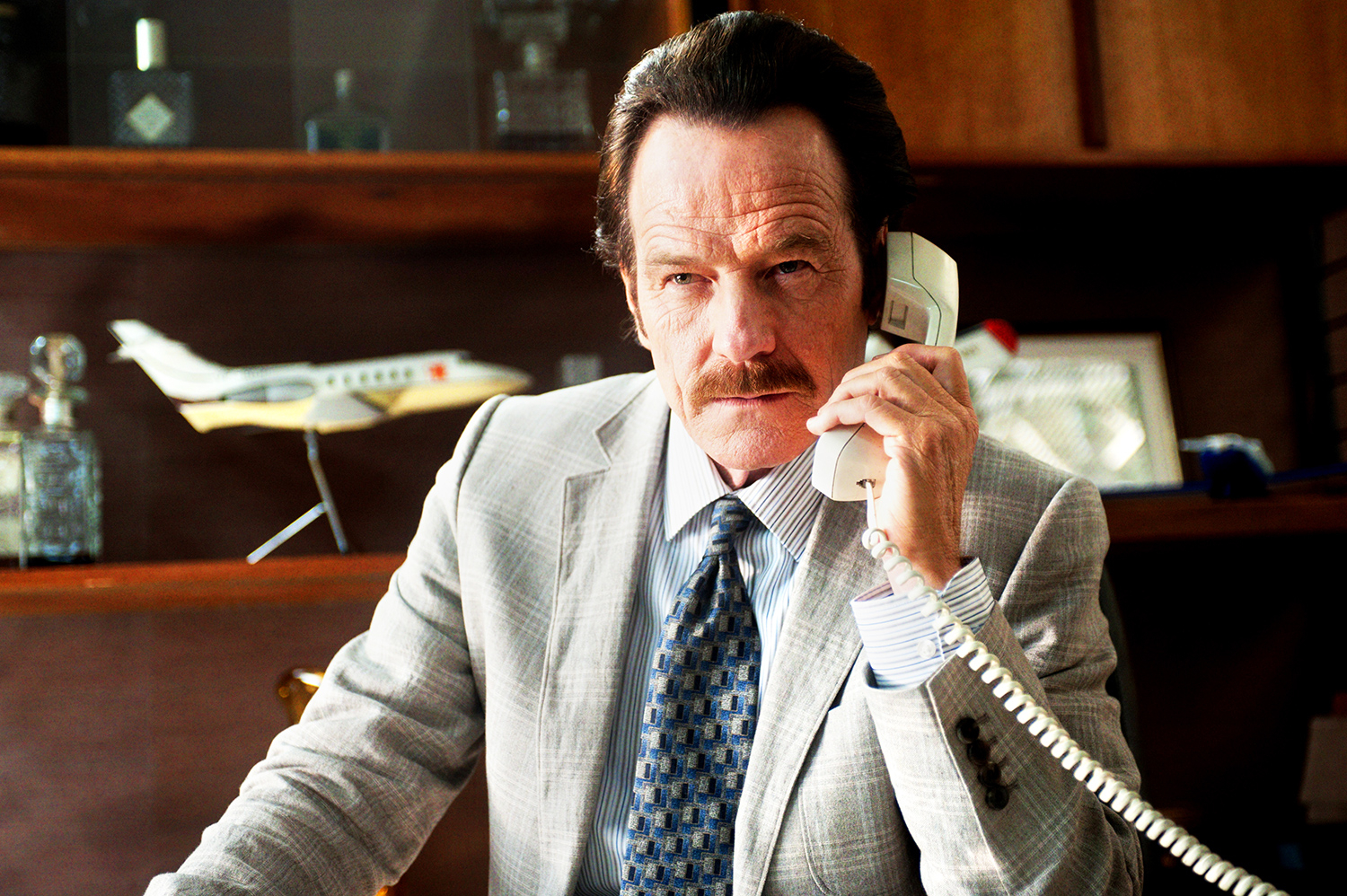
Robert Mazur spends the entire film wearing a mask, and Cranston never lets you forget the cost of that. Playing the real-life federal agent who went deep undercover inside Pablo Escobar’s cartel money-laundering network, he builds Mazur as a man who is frighteningly good at being someone else, charming, controlled, convincing, while quietly coming apart at the seams. There’s a dinner scene where Mazur sits across from cartel associates while his real wife is a phone call away, and Cranston plays the double-life tension with a stillness that’s almost unbearable. It’s the closest his film work gets to the moral-compromise territory of Walter White, even if the film itself underperformed at the box office.
4. Godzilla (2014)
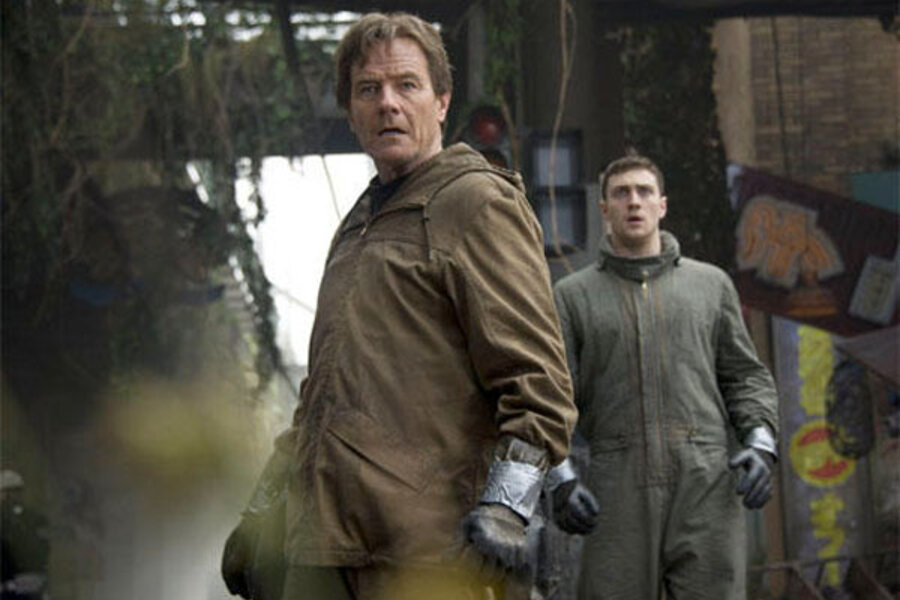
Joe Brody doesn’t need a monster to be terrifying; he just needs a phone call that comes too late. Cranston opens this massive blockbuster with a sequence of grief so raw and specific that it reframes everything that follows: Joe is a nuclear engineer who watched his wife die in a reactor accident he believes was covered up, and Bryan plays the years of obsession that follow as something between righteous fury and a man who simply cannot let himself stop. His intensity in the early scenes sets a bar the rest of the film struggles to clear, which is probably why his eventual exit became one of the most debated bait-and-switches in recent blockbuster history. Audiences were so invested in Joe that losing him felt like a genuine loss.
3. Drive (2011)
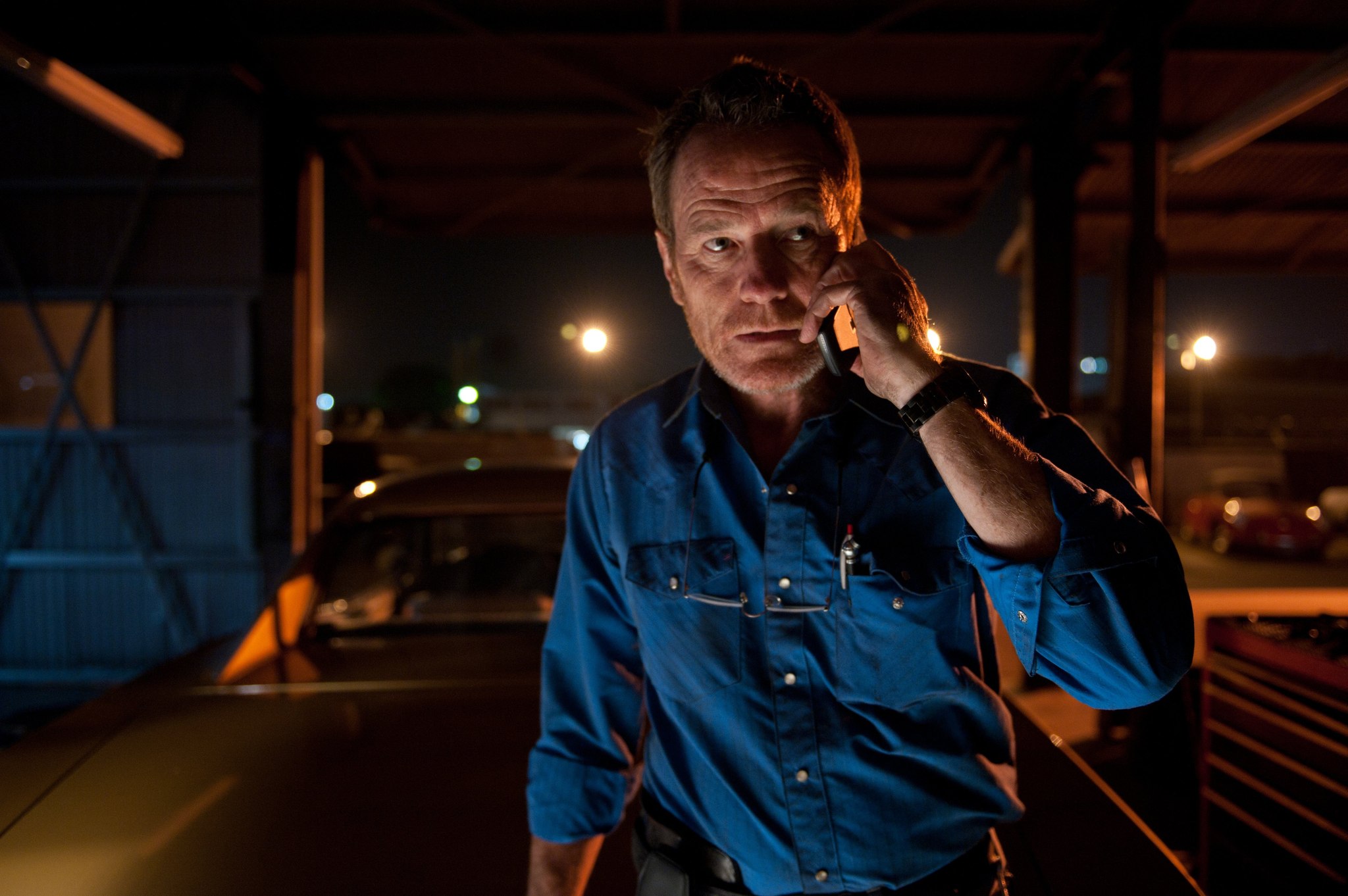
Shannon isn’t the coolest guy in the room, that’s the Driver, but he might be the most human one. Cranston plays this small-time garage owner as a man of genuine warmth and terrible judgment, someone whose loyalty the film is going to punish him for. There’s a scene early on where Shannon pitches the Driver’s racing talent to a crime boss with the enthusiasm of a proud father, and Cranston plays it with such unguarded delight that what comes later hits like a gut punch. In a film full of cool surfaces and neon detachment, he provides the emotional temperature that makes the violence mean something. It was a signal to the film world that Breaking Bad fans had already received.
2. Argo (2012)
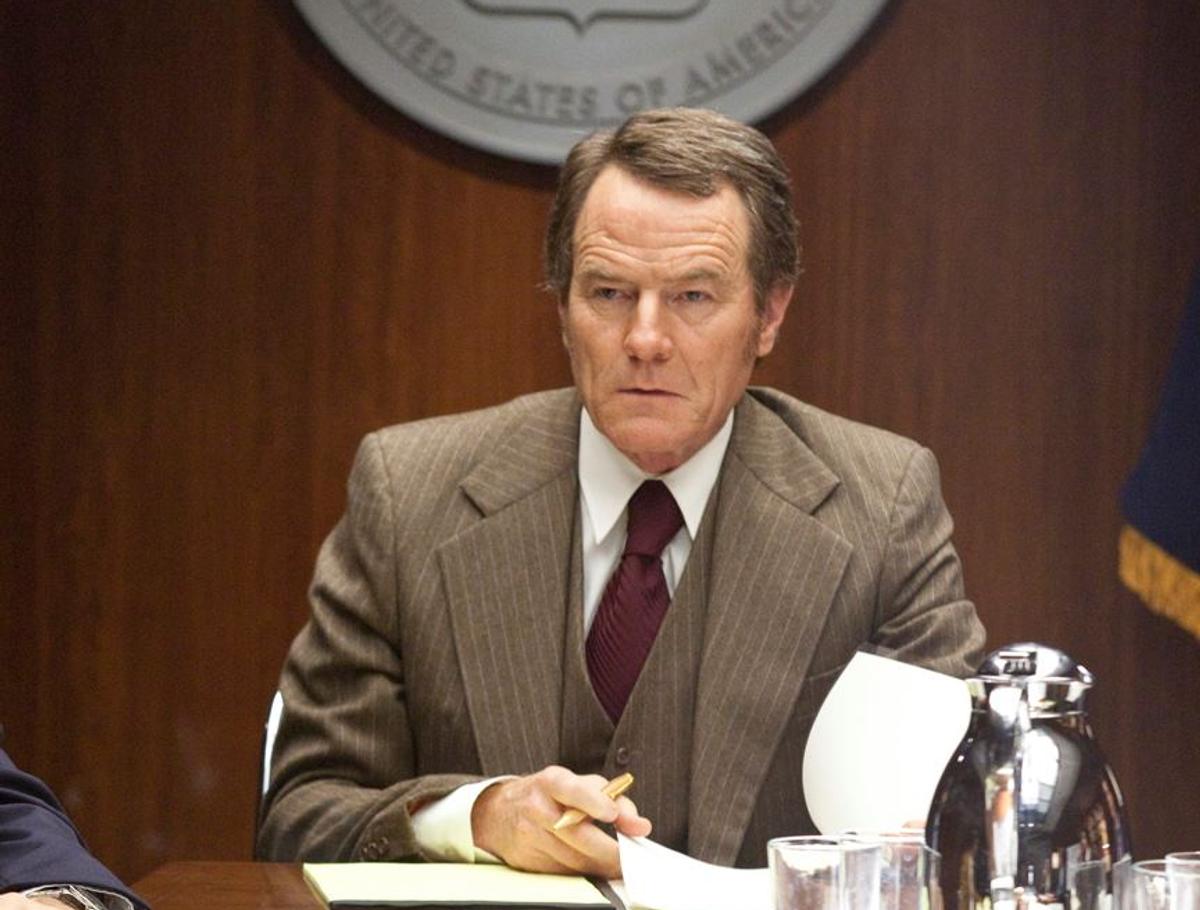
Jack O’Donnell is the man behind the curtain. As the CIA handler coordinating Ben Affleck’s Tony Mendez from Washington while the clock runs out in Tehran, Cranston plays O’Donnell as someone who understands exactly how badly this can go and chooses to push forward anyway. His best scene is a phone call, just Cranston on a landline, fighting bureaucracy while lives hang in the balance, and he transforms the procedural tension into something viscerally physical, like the walls are closing in on a man sitting at a desk. The film took home the SAG Award for Outstanding Performance by a Cast, a recognition of how completely this group of actors made a real historical crisis feel urgent and alive.
1. Trumbo (2015)
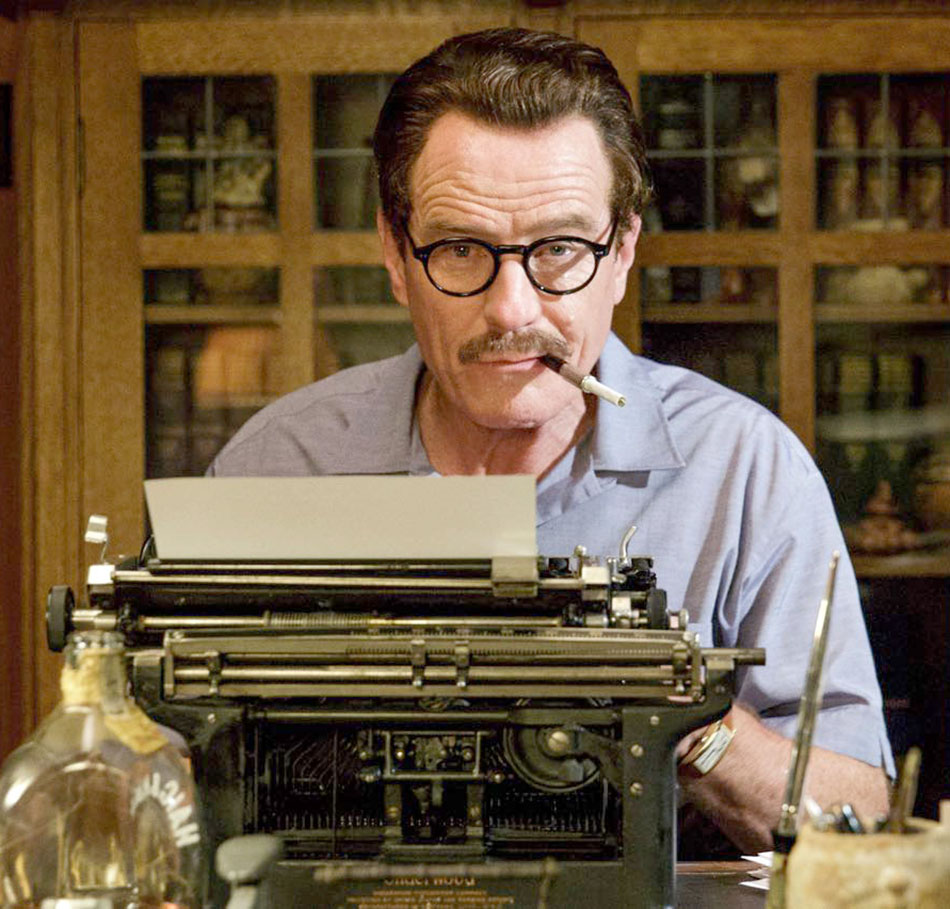
Dalton Trumbo wrote in the bathtub, cigarette holder clamped between his teeth, surrounded by pages and bourbon and the arrogance of a man who knew he was the best in the room. Cranston inhabits all of that, the genius, the ego, the genuine political courage, without letting any one quality flatten the others. He carries the film through Trumbo’s blacklisting, prison sentence, anonymous work, and eventual rehabilitation, finding something different in each phase: the defiant wit of the HUAC hearings, the quiet shame of watching his family suffer, the stubborn joy of a man who kept writing because he couldn’t stop. That range earned Cranston an Oscar nomination for Best Actor, the most recognized role of his film career, and the one that makes the strongest case for what he can do when the material finally meets his level.
Bryan Cranston has always been better than the material handed to him, which is why his two most beloved roles came from television. Malcolm in the Middle (2000–2006) proved he could do broad physical comedy without a net, and Breaking Bad (2008–2013) proved he could do just about everything else. His film work, taken together, reads like a career-long argument that Hollywood should have been giving him more.

Written by Miranda Davies
Film & TV Enthusiast
Hi, my name is Miranda Davies, and I’ve loved film and television all of my life. Some of my earliest memories involve me and family or friends catching the latest movies, or reclining on the couch to catch some awesome television, and I want to share that passion with fellow fans like you! The best way to celebrate film and television is to chat about it with people as equally passionate as you, so this website will be dedicated to being a hub for those that want to chat about their obsessions in a safe and welcoming environment that is fun to visit!
More about the author