
Top 10 Tom Hiddleston Movies, Ranked
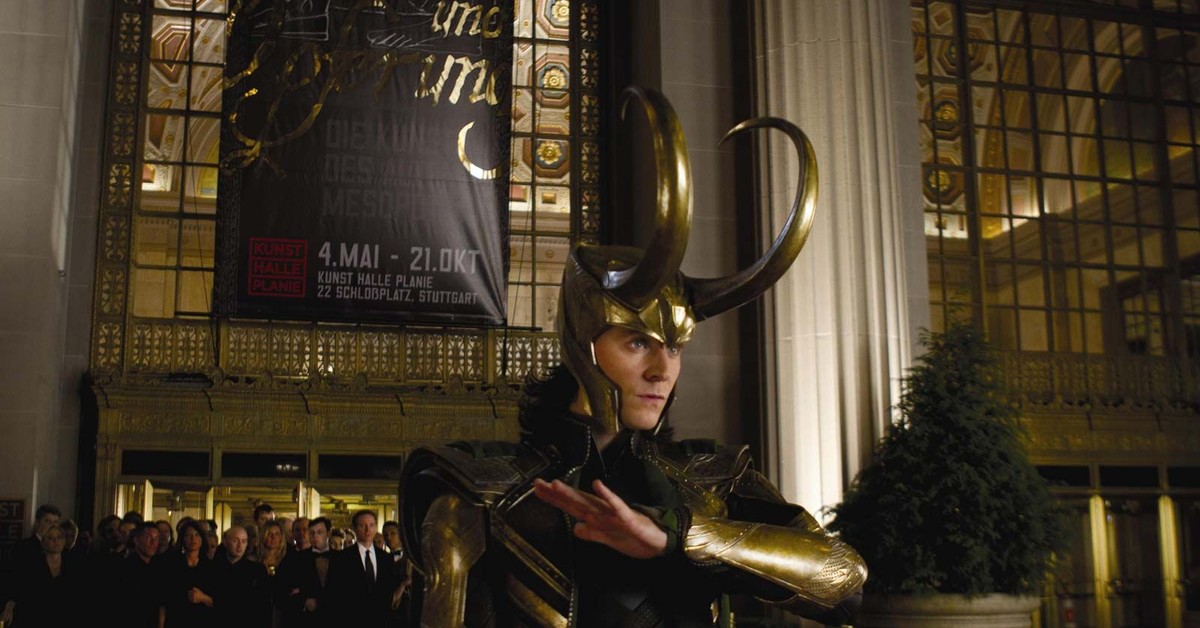
There’s a moment in The Avengers where Loki surveys a crowd of terrified people, demands they kneel, and then smiles. It’s the smile that does it. Equal parts delight and contempt, and completely, utterly magnetic. That one expression probably tells you more about Tom Hiddleston’s appeal than a thousand reviews could. Here at TV Hulk, we ranked these performances by how fully he disappears into each role: how convincing the character feels, how long the performance stays with you after the credits roll, and how much he makes you believe in the world he’s inhabiting. From art-house micro-dramas to billion-dollar blockbusters, this is Hiddleston at his best.
10. The Deep Blue Sea (2011)
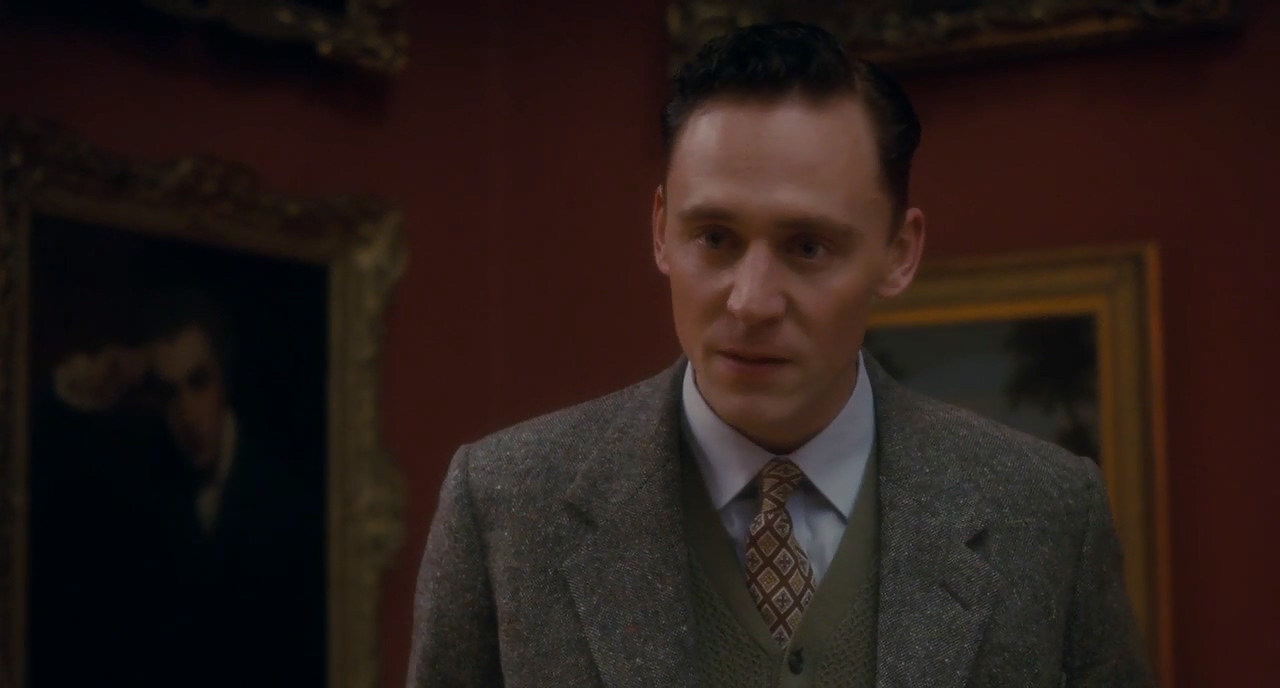
Freddie Page could easily read as a villain in someone else’s hands: selfish, emotionally unavailable, a man who burns through the devotion of others without ever quite understanding what he’s taking. But Hiddleston plays him with a breezy, almost unconscious charm that turns Freddie’s carelessness into a wound rather than a flaw. Watch the scene where he tries to explain himself to Hester and simply can’t find the words — not because he’s cruel, but because he genuinely doesn’t have them. Terence Davies’ ravishing Rattigan adaptation pairs him with Rachel Weisz at her most raw, and Hiddleston holds his own completely. The fact that Thor came out the same year makes this performance feel almost surreal in retrospect.
9. Archipelago (2010)
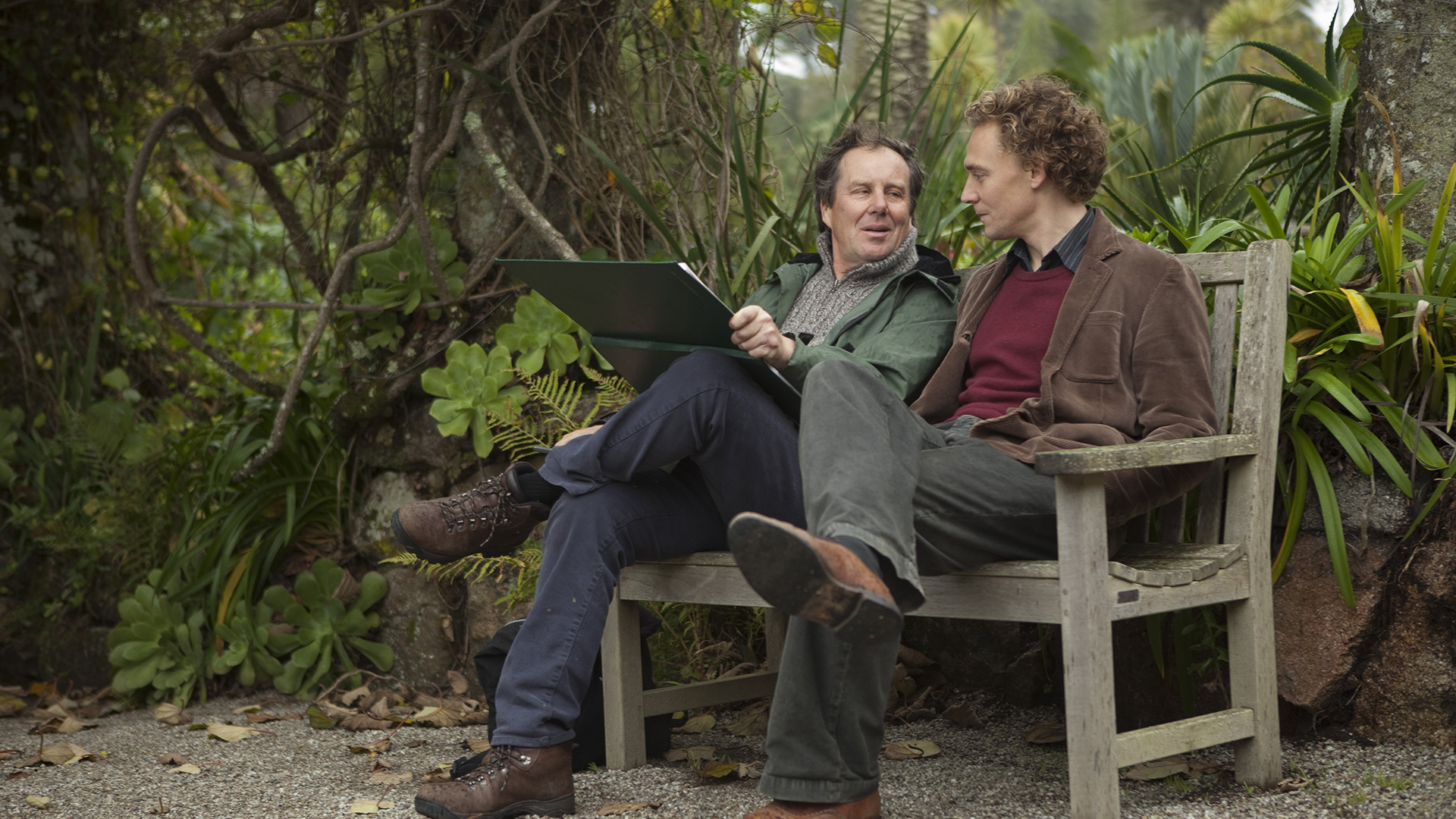
Edward is the kind of character who communicates almost entirely through what he refuses to say. Joanna Hogg’s micro-budget family drama runs on suppressed tension and unspoken resentment, and Hiddleston is extraordinary at conveying the pressure building beneath Edward’s polite exterior. At the dinner table, he keeps his eyes down, rearranges his food, and offers clipped half-agreements that somehow feel more cutting than any argument — minor gestures that carry the weight of years of family friction. Tom plays these scenes with a trembling restraint that makes for deeply uncomfortable viewing, and the Evening Standard Best Actor nomination he earned for it was well deserved. Edward is a quietly devastating creation, and that moment when his voice almost breaks mid-apology lingers long after the film ends.
8. High-Rise (2015)
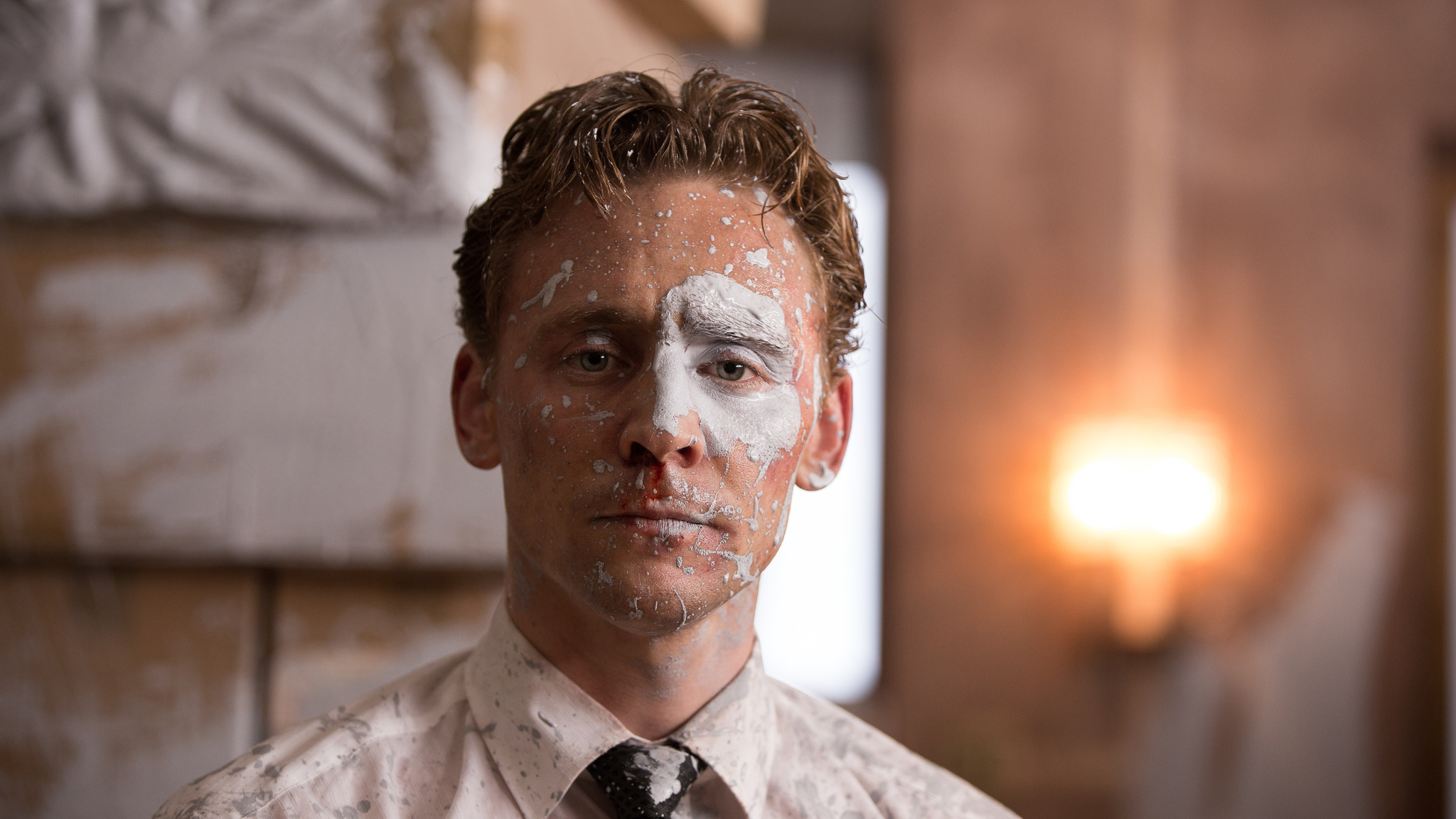
Dr. Robert Laing arrives in his new luxury apartment with a quiet, slightly detached contentment, and Hiddleston plays that opening composure so carefully that watching it unravel becomes almost physically unsettling. Ben Wheatley’s J.G. Ballard adaptation is a deliberately anarchic fever dream, and Laing’s slow moral disintegration as the tower block collapses into tribal chaos is anchored entirely by Hiddleston’s ability to make passivity feel like its own kind of menace. The moment Tom’s character stops resisting the chaos and starts participating in it, almost with relief, is the film’s most chilling beat. What makes it linger is how Hiddleston plays that shift — not as a breakdown, but as a man quietly settling into something he always suspected he wanted.
7. Kong: Skull Island (2017)
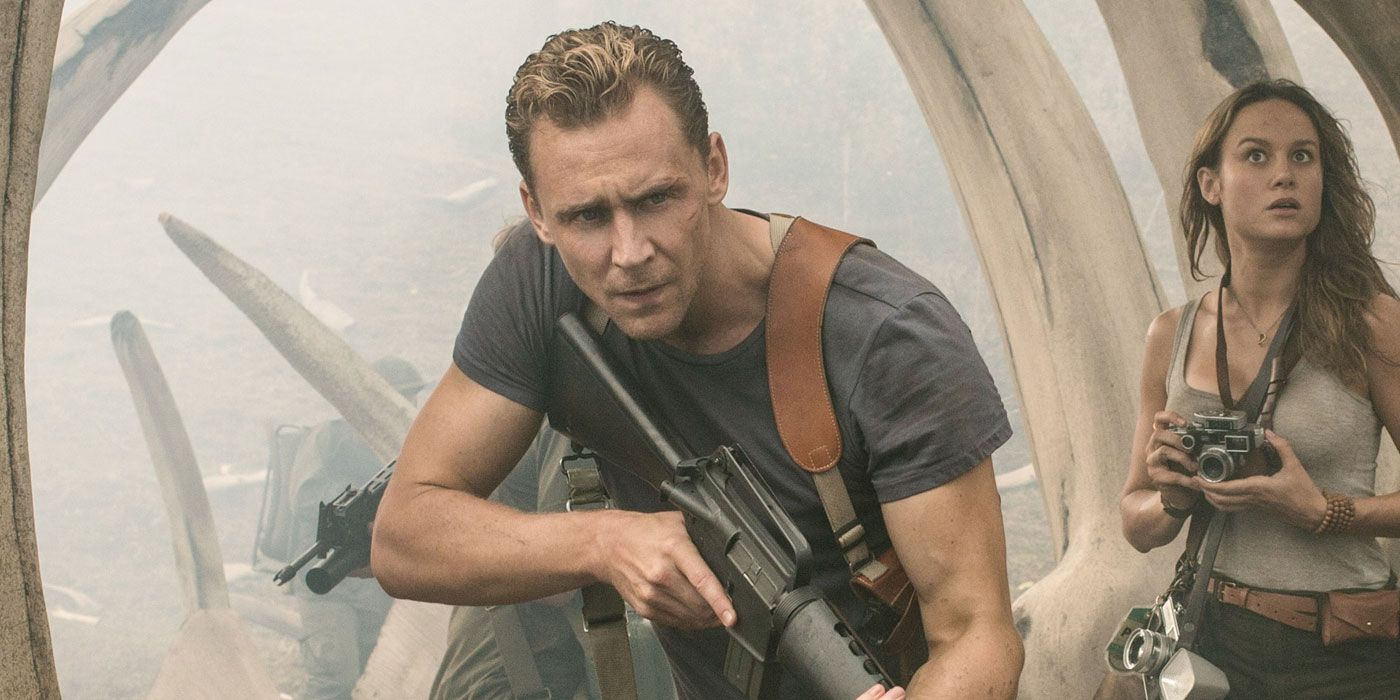
Captain James Conrad is a deliberate pivot. After years of Loki’s theatrical menace and coiled Shakespearean energy, Hiddleston strips everything back to a cool, laconic action-hero stillness that suits the film’s pulpy monster-movie register perfectly. Conrad doesn’t speechify or scheme; he reads a situation, makes a decision, and moves. The gas-mask sequence, where he cuts through a cloud of yellow fog dispatching creatures in near-silence, is the film’s most purely cinematic moment, and Tom commits to it with a physical focus that’s easy to underestimate. What sells it isn’t the choreography but the way he carries Conrad’s weight between strikes — unhurried, almost bored — which makes the character feel genuinely dangerous rather than just competent.
6. Crimson Peak (2015)
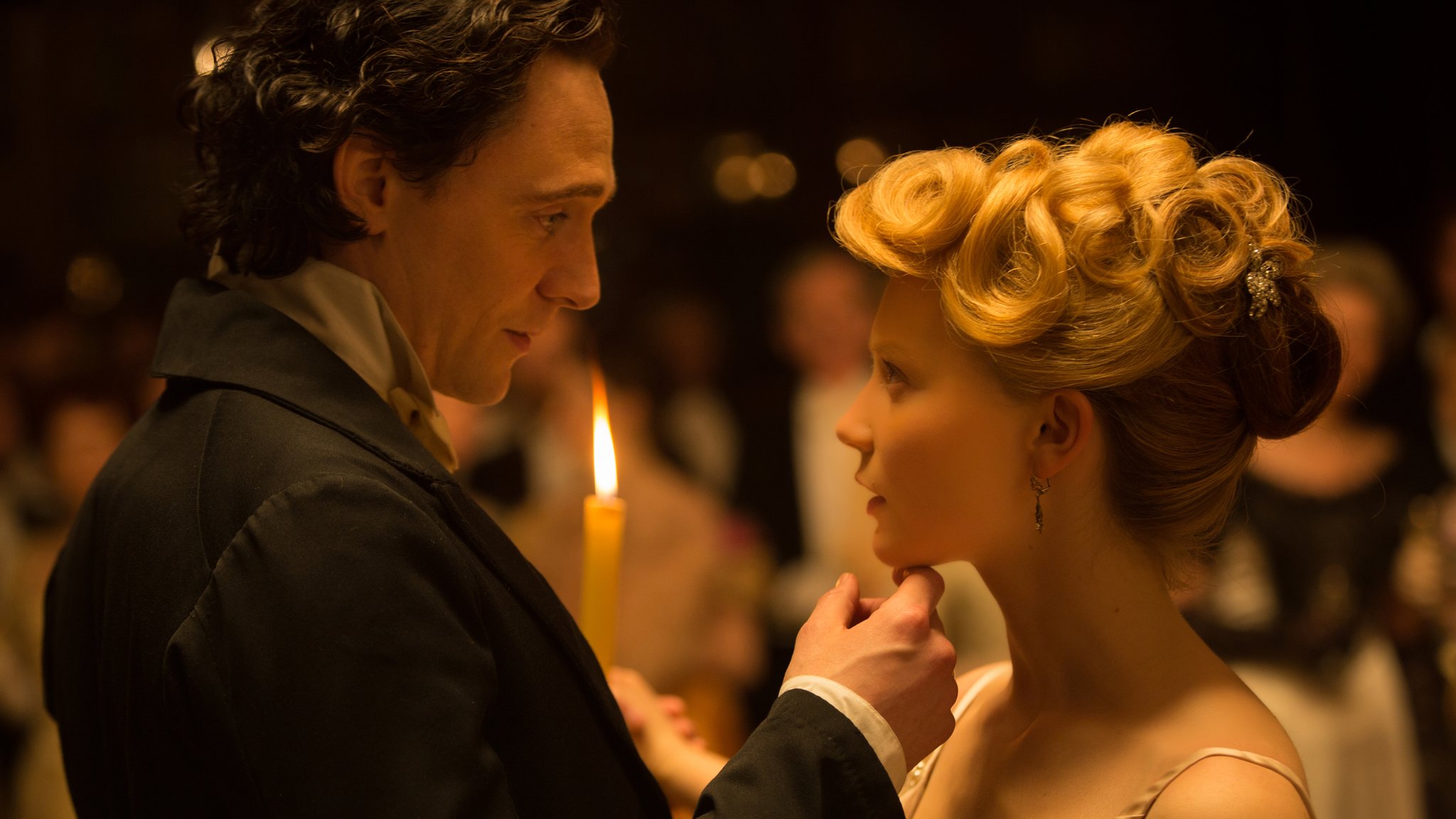
Sir Thomas Sharpe is introduced as a romantic ideal: tall, beautiful, slightly melancholy, with a crumbling English estate and a story that doesn’t quite add up. Hiddleston plays the wounded vulnerability so convincingly that even when the film’s gothic machinery starts revealing its secrets, you keep wanting to believe in him. His moments of stillness within the decaying Allerdale Hall, the house groaning around him, capture a real sadness beneath all the sinister plotting. Guillermo del Toro’s lush visual world gives Tom a lot to work with, and he matches it — particularly in the way he delivers “I am what this house made me” with something that sounds almost like grief, without ever quite letting you off the hook for rooting for him.
5. War Horse (2011)
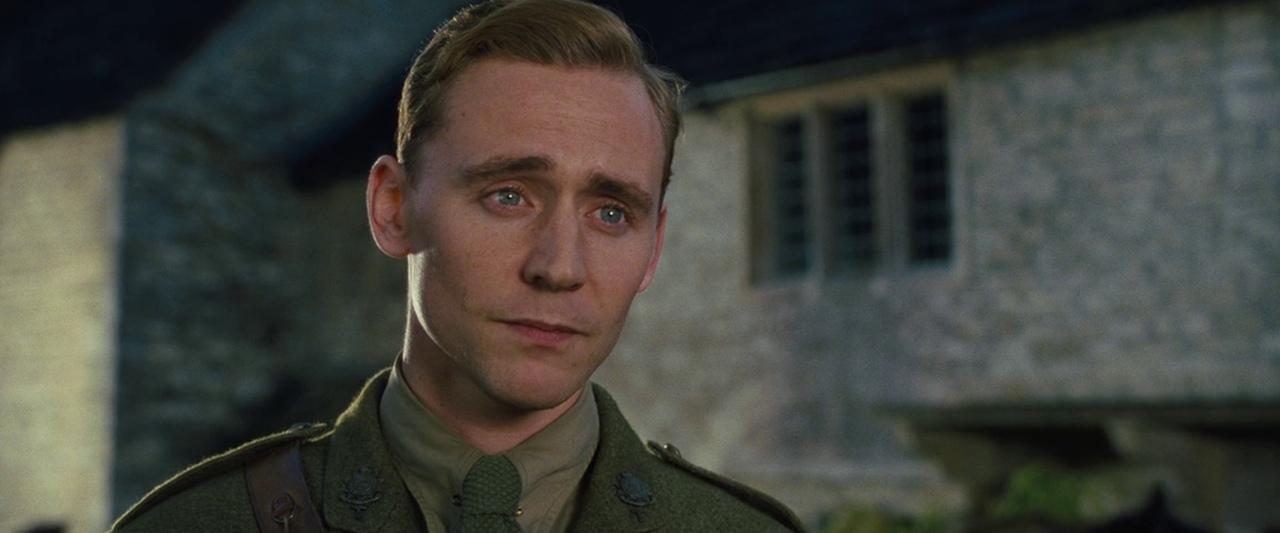
Captain Nicholls doesn’t survive long enough for a full arc, and that’s precisely what makes Hiddleston’s work here so effective. He builds the character’s warmth and doomed nobility so quickly, in so few scenes, that when the film delivers its early gut-punch, it lands with real force. There’s a quiet moment where Nicholls tends to Joey before riding out, and Tom plays it with a lightness that feels like a man choosing not to think about what comes next. War Horse was one of Spielberg’s more emotionally direct prestige films, earning $177 million at the box office, and Hiddleston’s contribution to its opening emotional weight is easy to overlook and shouldn’t be.
4. The Life of Chuck (2024)
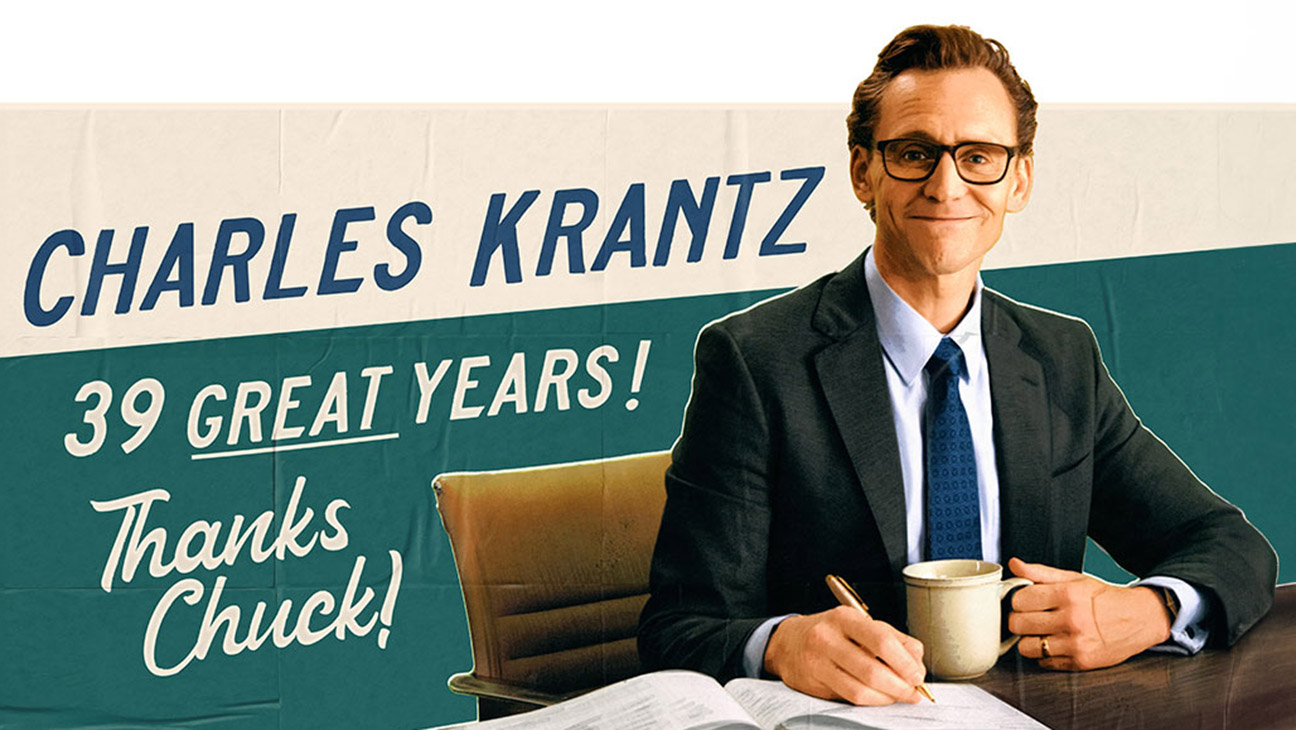
Chuck Krantz might be the most emotionally exposed Hiddleston has ever been on screen. Mike Flanagan’s Stephen King adaptation tells its story in reverse, and Tom anchors the film’s emotional core with a stillness that accumulates meaning as the structure reveals itself. The dancing sequence is the one everyone talks about — Chuck moving through a crowd with his arms loose and his face open in a way that reads as pure, unguarded relief — and it hits completely differently once you understand the full context. That effect is entirely down to how much Hiddleston has made you invest in this man’s interior life by that point, built through small moments of held breath and quiet recognition rather than anything showy.
3. Midnight in Paris (2011)
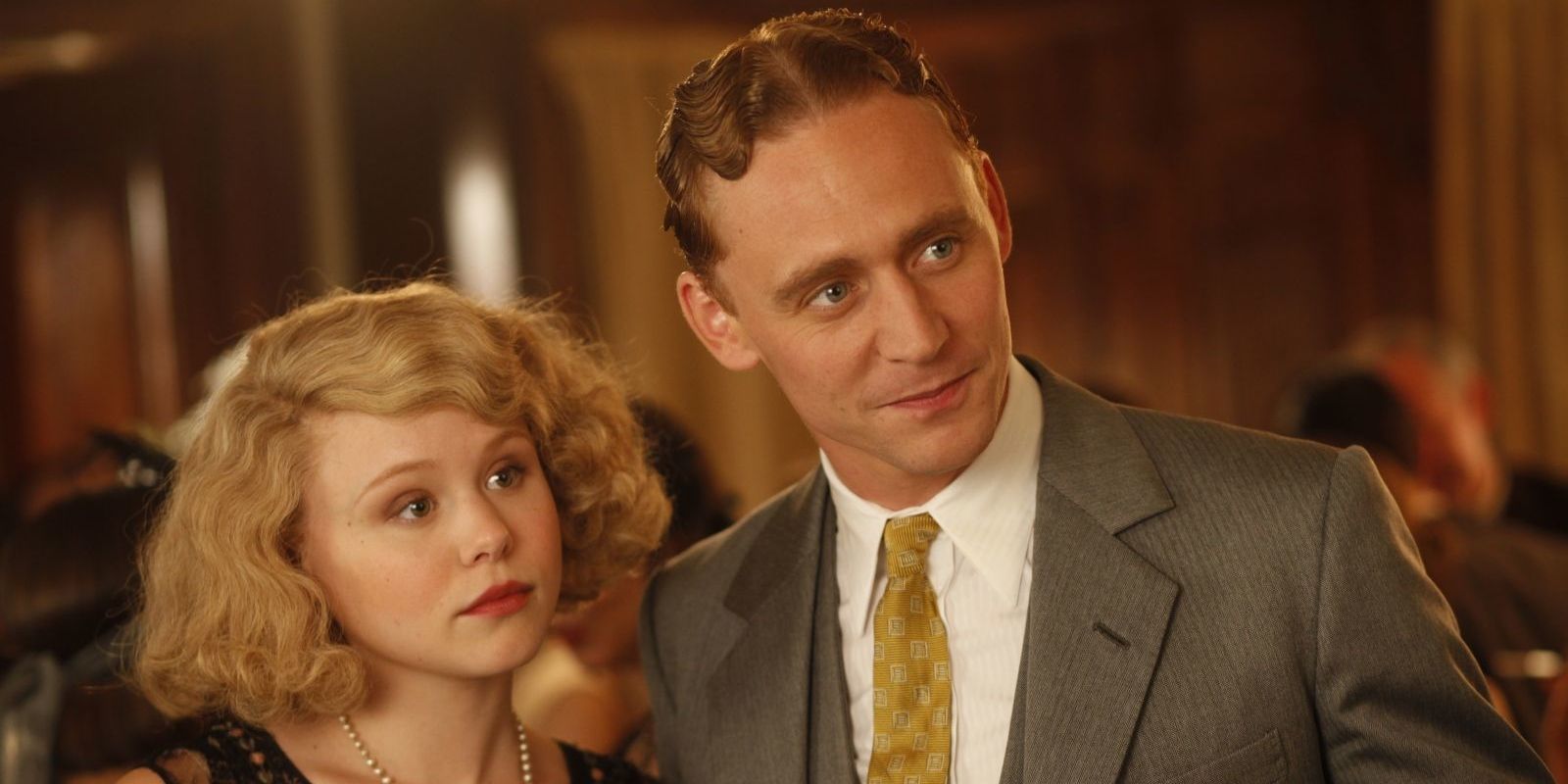
F. Scott Fitzgerald appears in Midnight in Paris for maybe ten minutes total, and Hiddleston makes every second count. He plays Fitzgerald as a man who knows he’s living inside his own legend and finds it both thrilling and exhausting: charming at a party, slightly tragic at the edges, effortlessly golden-age in every gesture. The scene where he introduces Gil to Hemingway has a wonderful comic timing to it, Tom performing Fitzgerald’s own mythology with just enough self-awareness to be poignant. One of Woody Allen’s biggest commercial hits, the film is packed with famous faces, and Hiddleston’s cameo is consistently among the most-quoted and most-remembered of all of them.
2. Only Lovers Left Alive (2013)
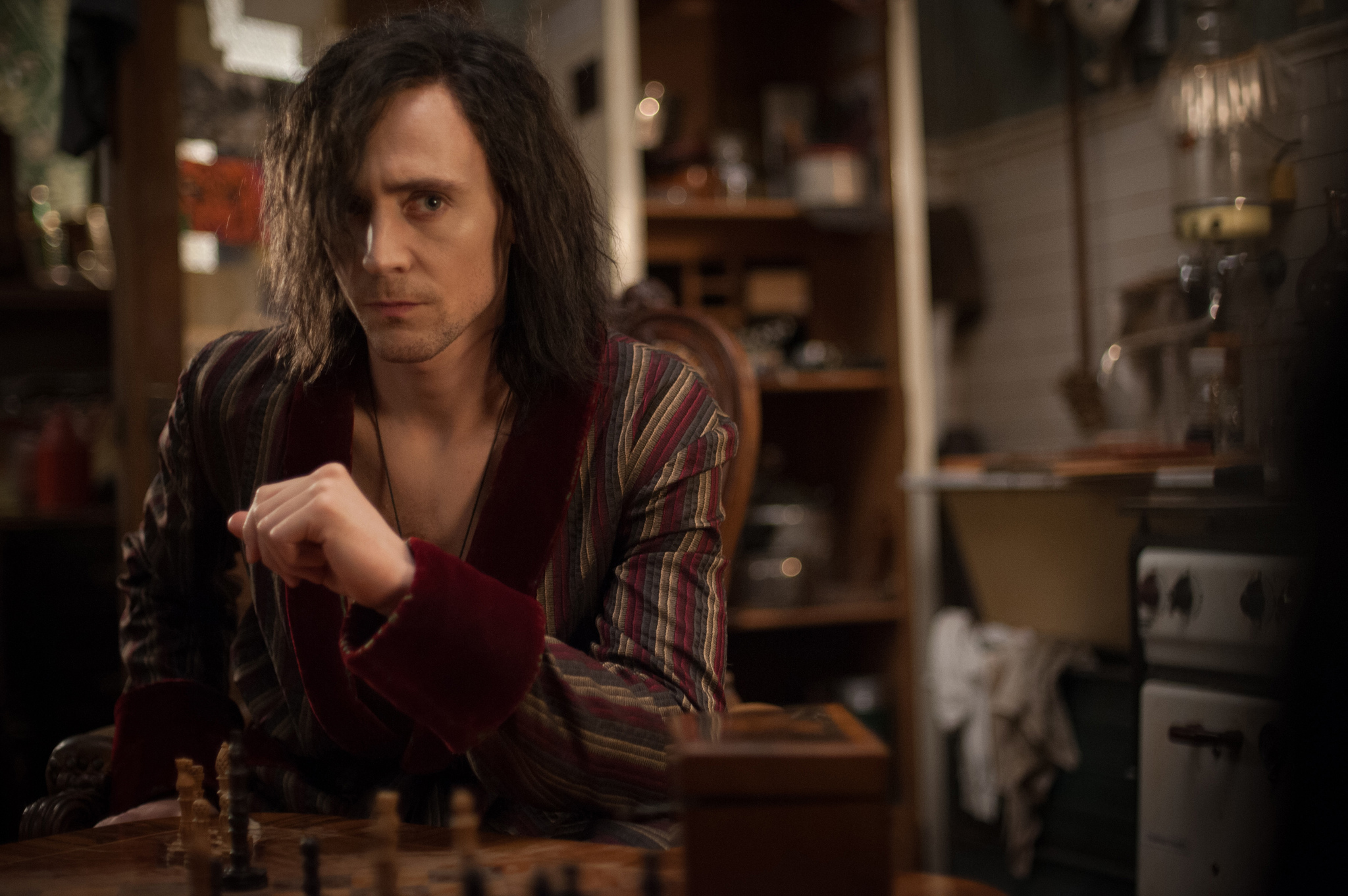
Adam has been alive for centuries and is thoroughly, magnificently exhausted by it. Hiddleston plays the vampire musician with a heavy-lidded melancholy that never tips into self-parody; every slow movement, every pained glance at the modern world outside his window, feels like the accumulated weight of hundreds of years of watching things he loved disappear. The scene where Adam handles his antique guitars with something close to reverence is a small, perfect piece of physical acting. You understand this character’s entire relationship with time and loss without a word of dialogue. Jim Jarmusch’s languid, gorgeous film has built a devoted cult following in the years since its release, and it remains the movie that cinephile fans reach for when making the case that Tom belongs in a different conversation entirely.
1. Loki / MCU Franchise (2011–present)
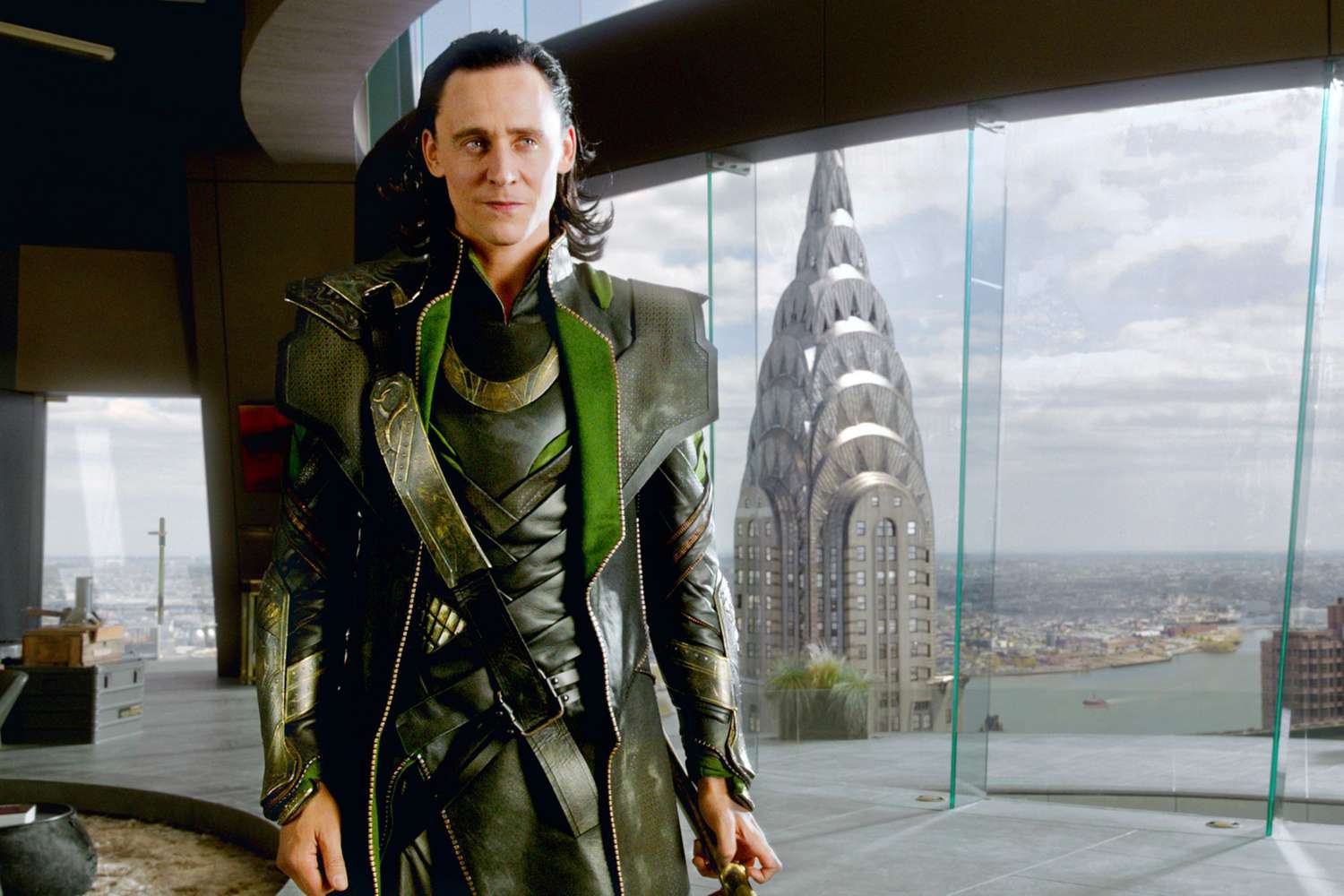
Loki is the role that changed everything, and it’s worth being specific about why. When Hiddleston first appeared in Thor, the character could have been a straightforward jealous-brother villain. Instead, he found something genuinely Shakespearean in the part: the wounded second son who discovers his entire identity is built on a lie, the man who chooses chaos because the alternative is admitting how much he hurts. The throne room scene where Loki learns the truth of his origins and his face just falls is the moment the character became something more than a plot device. The Avengers let him go full theatrical menace, and that film’s $1.5 billion gross was built in no small part on the pleasure of watching Loki command every scene. Thor: Ragnarok then gave him room to be flat-out funny. Hiddleston leaned into the comedy with the same commitment he’d brought to the tragedy, his deadpan timing landing perfectly because he’d spent years earning the audience’s complicated affection for this character. Across six films, Loki evolved without ever losing the quality that made him irresistible from the start.
Hiddleston’s filmography makes a strong case that he’s always been two actors in parallel: the Marvel icon and the quietly serious performer who keeps turning up in Joanna Hogg films and Jim Jarmusch fever dreams. His work in The Night Manager and the Loki series proved that range translates to television, while his Prince Hal and Henry V in The Hollow Crown remains a benchmark for Shakespearean performance on screen. The movies here are the proof of concept.

Written by Miranda Davies
Film & TV Enthusiast
Hi, my name is Miranda Davies, and I’ve loved film and television all of my life. Some of my earliest memories involve me and family or friends catching the latest movies, or reclining on the couch to catch some awesome television, and I want to share that passion with fellow fans like you! The best way to celebrate film and television is to chat about it with people as equally passionate as you, so this website will be dedicated to being a hub for those that want to chat about their obsessions in a safe and welcoming environment that is fun to visit!
More about the author